

Więcej o książce
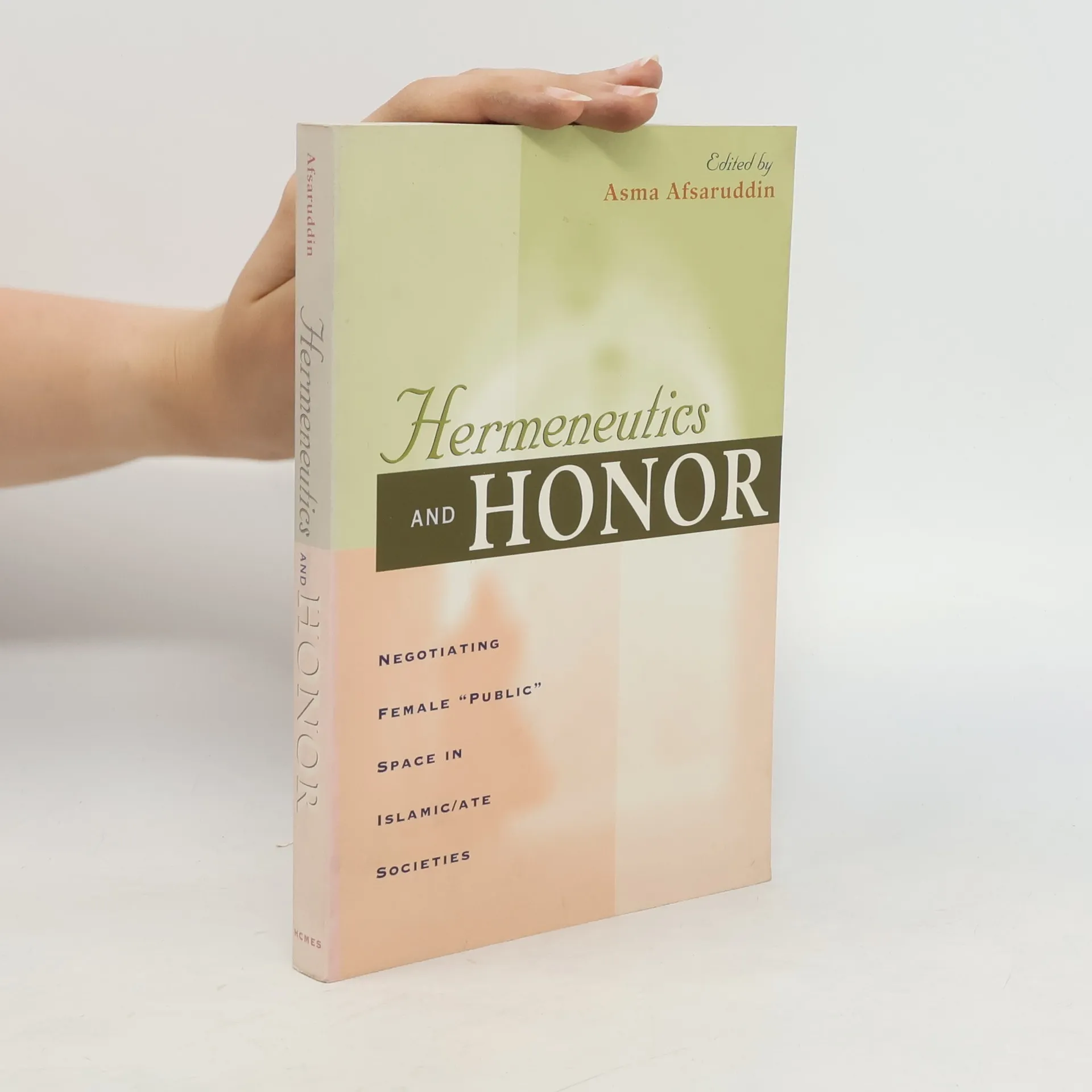
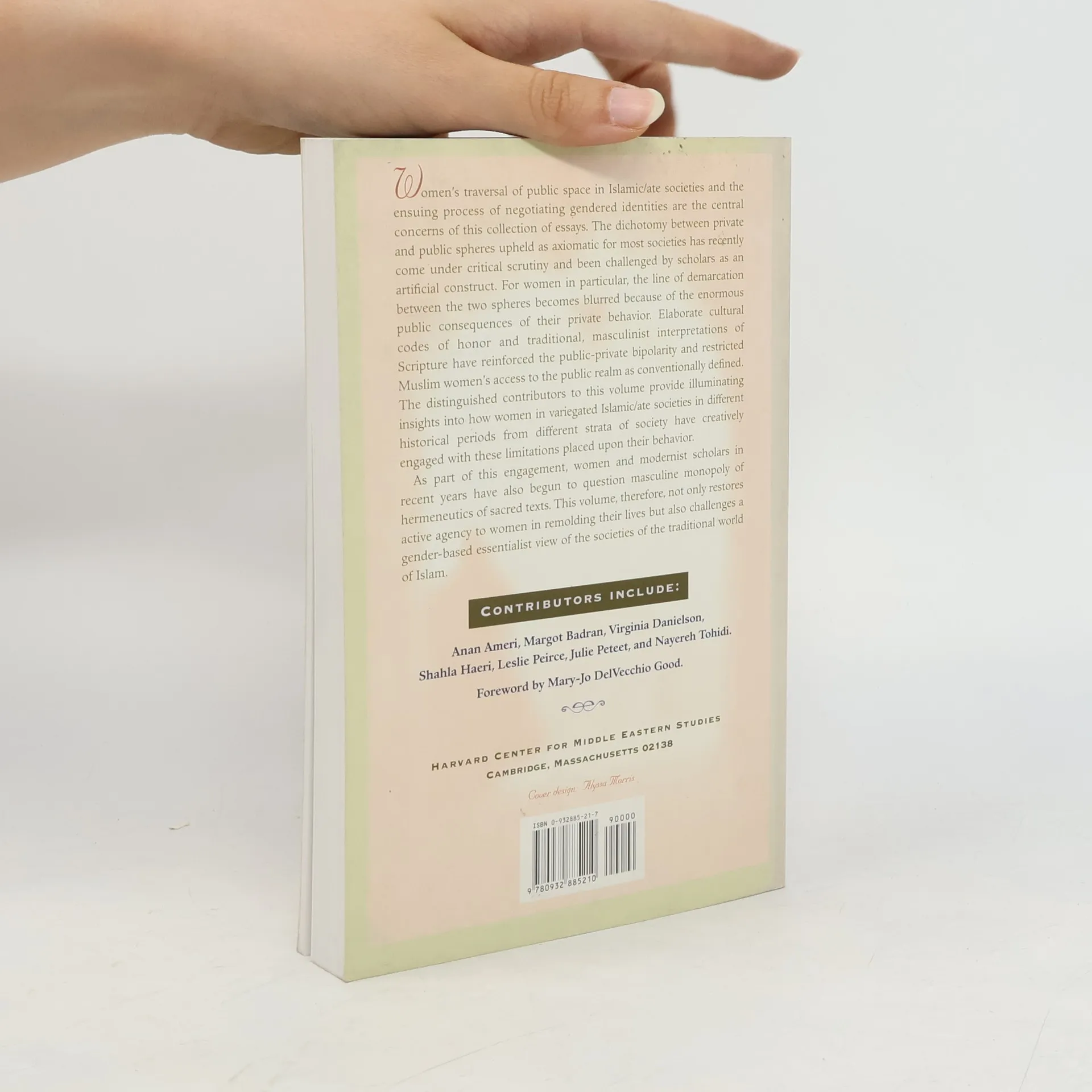
Women's traversal of public space in Islamic/ate societies and the ensuing process of negotiating gendered identities are the central concerns of this collection of essays. The dichotomy between private and public spheres, upheld as axiomatic for most societies, has recently been challenged by scholars as an artificial construct. For women in particular, the demarcation between the two spheres has become blurred by the enormous public consequences of their private behavior. Elaborate cultural codes of honor and traditional, masculinist interpretations of scripture have reinforced the public-private polarity and restricted Muslim women's access to the public realm as conventionally defined. The distinguished contributors to this volume provide insight into how women from different social strata and historical periods in various Islamic/ate societies have creatively engaged with these limitations upon their behavior.
Zakup książki
Hermeneutics and Honor, Asma Afsaruddin, Mary-Jo DelVecchio Good, Author Anan Ameri
- Język

- Rok wydania
- 1999
- Oprawa
- (miękka),
- Stan książki
- Bardzo dobry
- Cena
- 19,47 zł
Metody płatności
Nikt jeszcze nie ocenił.
- Tytuł
- Hermeneutics and Honor
- Podtytuł
- Negotiating Female 'Public' Space in Islamic/ate Societies
- Język
- angielski
- Wydawca
- Harvard University Press
- Rok wydania
- 1999
- Oprawa
- miękka
- Liczba stron
- 222
- ISBN10
- 0932885217
- ISBN13
- 9780932885210
- Seria
- Kategorie
- Tagi
- Feminizm
- Opis
- Women's traversal of public space in Islamic/ate societies and the ensuing process of negotiating gendered identities are the central concerns of this collection of essays. The dichotomy between private and public spheres, upheld as axiomatic for most societies, has recently been challenged by scholars as an artificial construct. For women in particular, the demarcation between the two spheres has become blurred by the enormous public consequences of their private behavior. Elaborate cultural codes of honor and traditional, masculinist interpretations of scripture have reinforced the public-private polarity and restricted Muslim women's access to the public realm as conventionally defined. The distinguished contributors to this volume provide insight into how women from different social strata and historical periods in various Islamic/ate societies have creatively engaged with these limitations upon their behavior.