

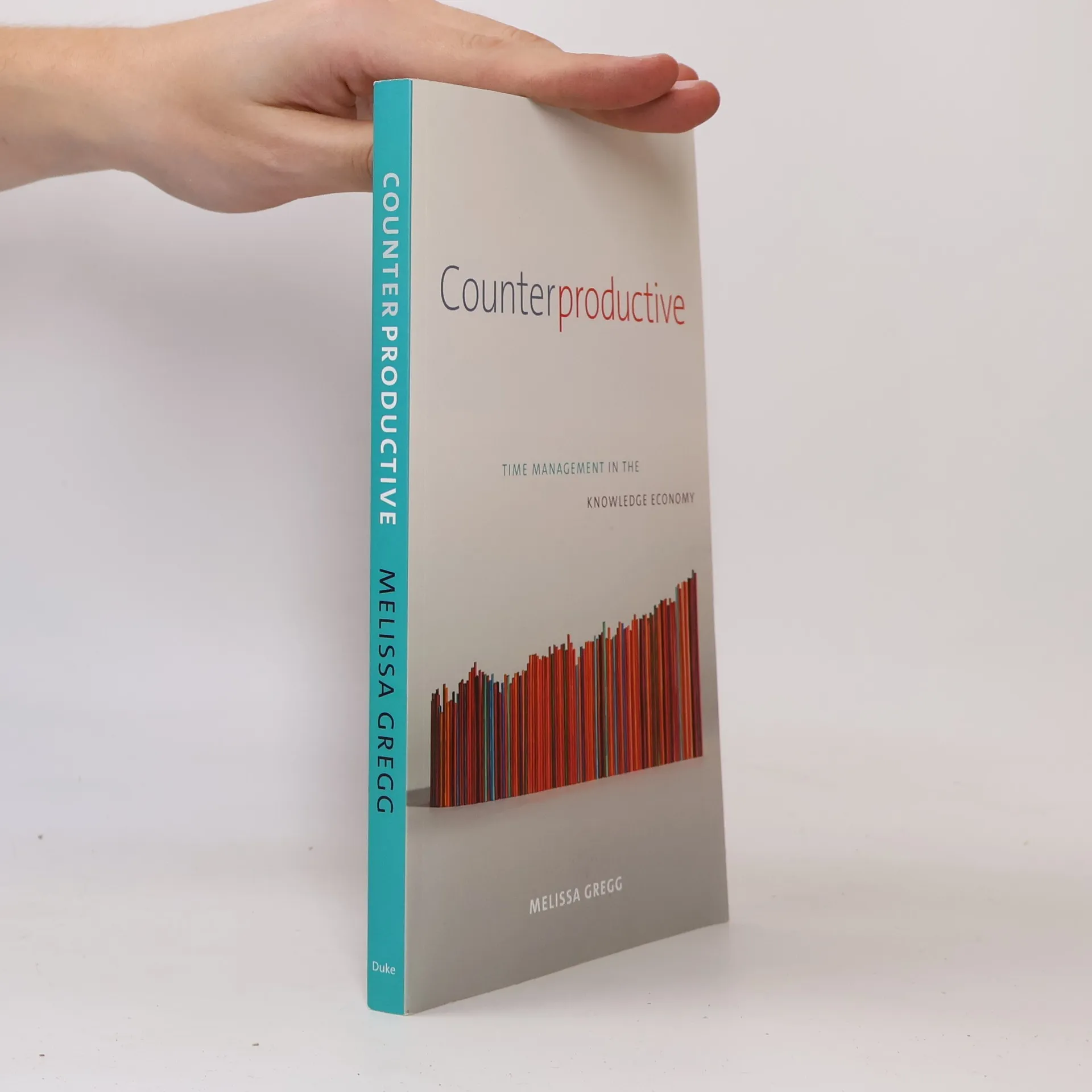


Więcej o książce
As online distractions increasingly colonize our time, why has productivity become such a vital demonstration of personal and professional competence? When corporate profits are soaring but worker salaries remain stagnant, how does technology exacerbate the demand for ever greater productivity? In Counterproductive Melissa Gregg explores how productivity emerged as a way of thinking about job performance at the turn of the last century and why it remains prominent in the different work worlds of today. Examining historical and archival material alongside popular self-help genres—from housekeeping manuals to bootstrapping business gurus, and the growing interest in productivity and mindfulness software—Gregg shows how a focus on productivity isolates workers from one another and erases their collective efforts to define work limits. Questioning our faith in productivity as the ultimate measure of success, Gregg's novel analysis conveys the futility, pointlessness, and danger of seeking time management as a salve for the always-on workplace.
Zakup książki
Counterproductive, Melissa Gregg
- Język

- Rok wydania
- 2018
- Oprawa
- (miękka),
- Stan książki
- Bardzo dobry
- Cena
- 5,88 zł
Metody płatności
Nikt jeszcze nie ocenił.
- Tytuł
- Counterproductive
- Podtytuł
- Time Management in the Knowledge Economy
- Język
- angielski
- Autorzy
- Melissa Gregg
- Wydawca
- Duke University Press
- Rok wydania
- 2018
- Oprawa
- miękka
- Liczba stron
- 202
- ISBN10
- 1478002395
- ISBN13
- 9781478002390
- Seria
- Kategorie
- Tagi
- Biznes, Produktywność
- Opis
- As online distractions increasingly colonize our time, why has productivity become such a vital demonstration of personal and professional competence? When corporate profits are soaring but worker salaries remain stagnant, how does technology exacerbate the demand for ever greater productivity? In Counterproductive Melissa Gregg explores how productivity emerged as a way of thinking about job performance at the turn of the last century and why it remains prominent in the different work worlds of today. Examining historical and archival material alongside popular self-help genres—from housekeeping manuals to bootstrapping business gurus, and the growing interest in productivity and mindfulness software—Gregg shows how a focus on productivity isolates workers from one another and erases their collective efforts to define work limits. Questioning our faith in productivity as the ultimate measure of success, Gregg's novel analysis conveys the futility, pointlessness, and danger of seeking time management as a salve for the always-on workplace.