



Parametry
- 282 strony
- 10 godzin czytania
Więcej o książce
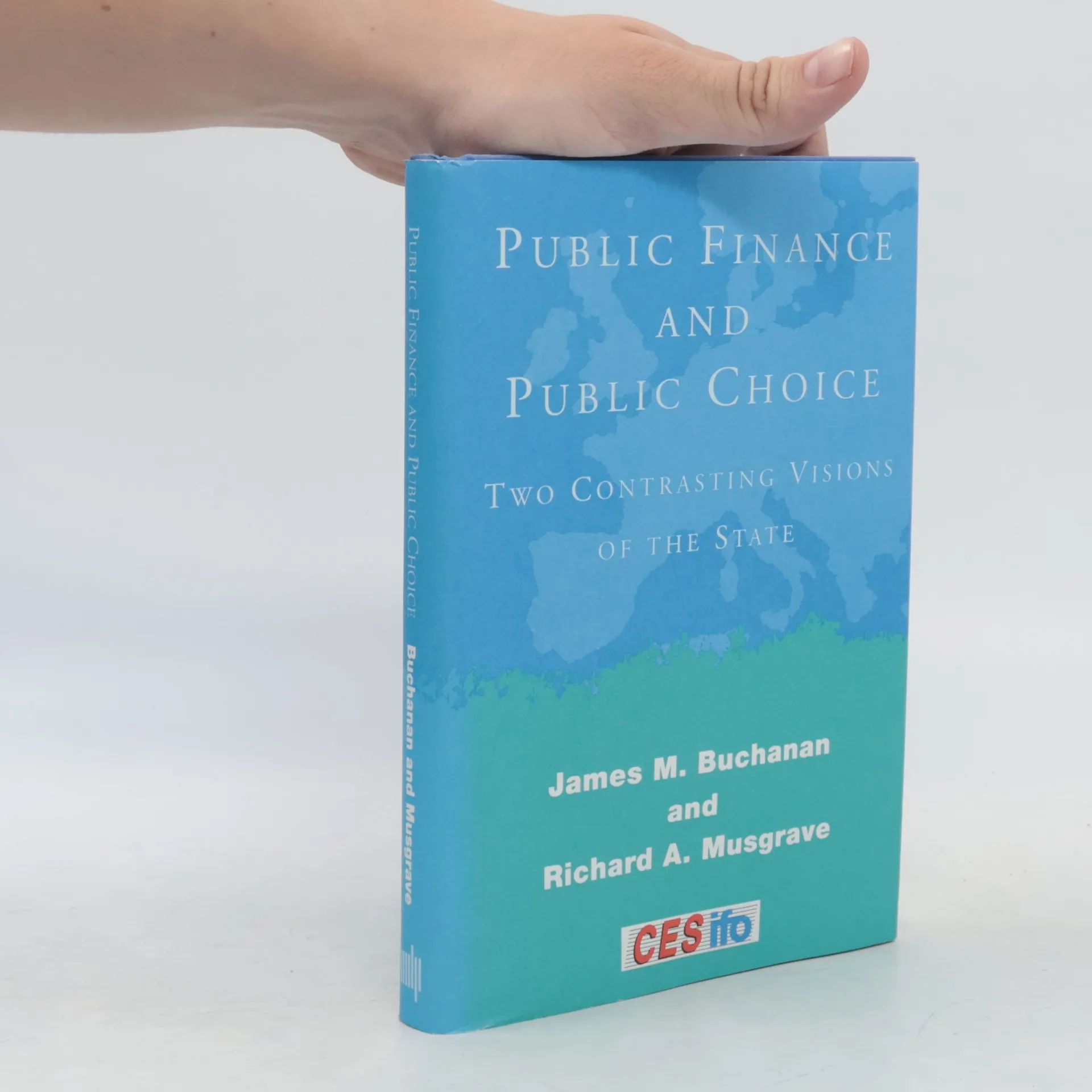
In this volume, based on a week-long symposium at the University of Munich's Center for Economic Studies, two leading scholars of governmental economics debate their divergent perspectives on the role of government and its fiscal functions. James M. Buchanan, who was influential in developing the research program in public choice, concentrates on the imperfections of the political process and stresses the need for rules to restrain governmental interference. Richard A. Musgrave, a founder of modern public finance, points to market failures and inequities that call for corrective public policies. They apply their differing economic and political philosophies to a variety of key issues. Each presentation is followed by a response and general discussion.
Zakup książki
CESifo Book Series: Public Finance and Public Choice, James M. Buchanan, Richard Abel Musgrave, Clemens Fuest
- Język

- Rok wydania
- 1999
- Oprawa
- (twarda),
- Stan książki
- Bardzo dobry
- Cena
- 62,22 zł
Metody płatności
Nikt jeszcze nie ocenił.
- Tytuł
- CESifo Book Series: Public Finance and Public Choice
- Podtytuł
- Two Contrasting Visions of the State
- Język
- angielski
- Wydawca
- MIT Press
- Rok wydania
- 1999
- Oprawa
- twarda
- Liczba stron
- 282
- ISBN10
- 0262024624
- ISBN13
- 9780262024624
- Seria
- Kategorie
- Opis
- In this volume, based on a week-long symposium at the University of Munich's Center for Economic Studies, two leading scholars of governmental economics debate their divergent perspectives on the role of government and its fiscal functions. James M. Buchanan, who was influential in developing the research program in public choice, concentrates on the imperfections of the political process and stresses the need for rules to restrain governmental interference. Richard A. Musgrave, a founder of modern public finance, points to market failures and inequities that call for corrective public policies. They apply their differing economic and political philosophies to a variety of key issues. Each presentation is followed by a response and general discussion.