



Więcej o książce
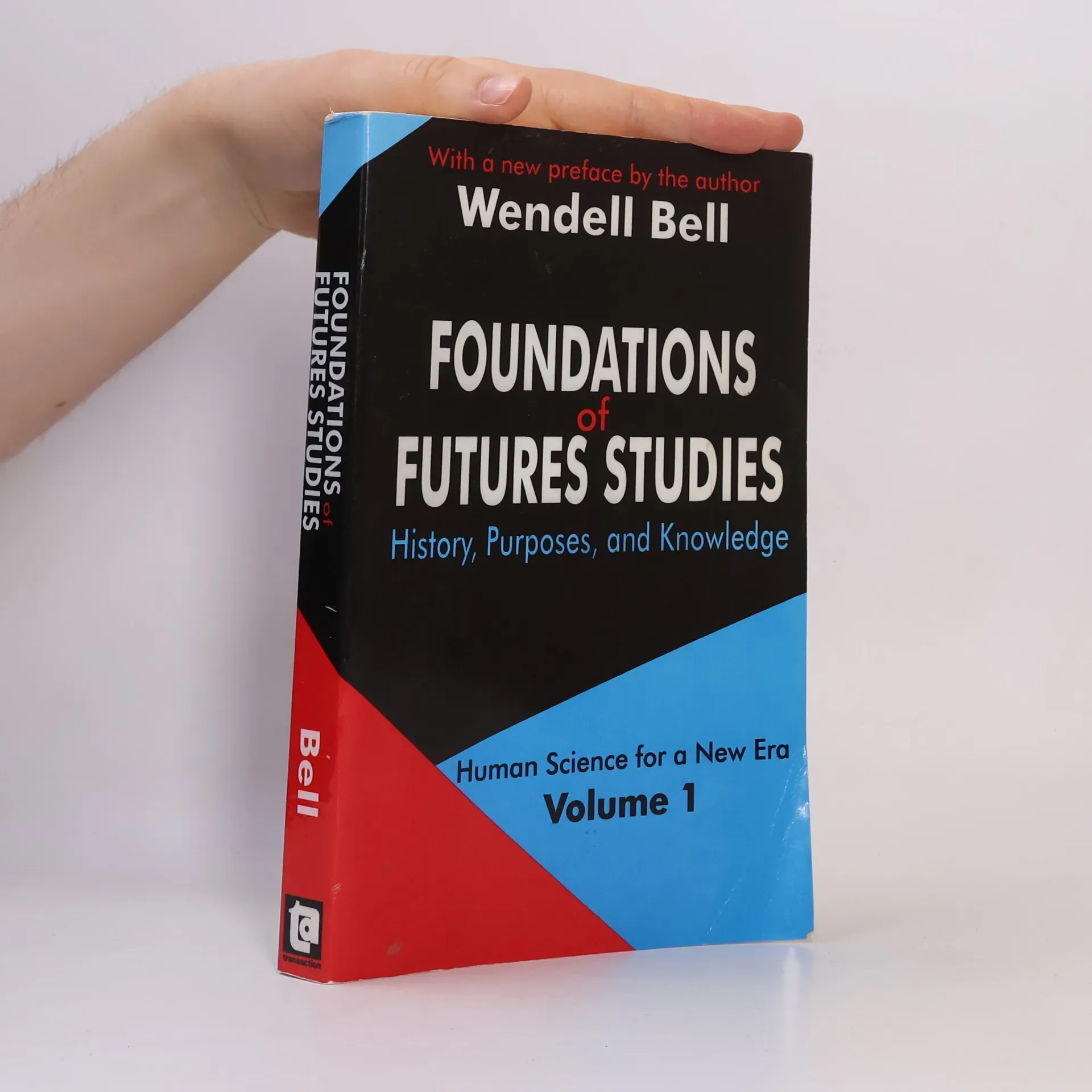
Futures studies is an emerging field focused on systematic exploration of alternative futures, aiming to clarify possibilities and enhance human agency over what lies ahead. This work summarizes and expands on the contributions of futurists to humanity's envisioning power and well-being. The author compiles essential intellectual tools, detailing the methods, concepts, theories, and examples within the field. The two-volume effort serves five key purposes: (1) to establish futures studies as a distinct intellectual domain, (2) to provide a foundational text for core courses, (3) to encourage interdisciplinary thinking among specialists, (4) to foster the advancement of futures studies, and (5) to equip individuals and leaders with tools to shape better futures for themselves and their communities. Despite its often pessimistic rhetoric and misuse by certain interests, the author argues that futures studies presents hope for humanity's future and practical strategies to achieve that hope in everyday life. This work will resonate with anyone interested in futures studies, as well as sociologists, economists, political scientists, and historians.
Zakup książki
Foundations of Futures Studies, Wendell Bell
- Język

- Rok wydania
- 2003
- Oprawa
- (miękka)
Metody płatności
Nikt jeszcze nie ocenił.
- Tytuł
- Foundations of Futures Studies
- Podtytuł
- History, Purposes, and Knowledge - Human Science for a New Era
- Język
- angielski
- Autorzy
- Wendell Bell
- Wydawca
- Routledge
- Rok wydania
- 2003
- Oprawa
- miękka
- Liczba stron
- 404
- ISBN10
- 0765805391
- ISBN13
- 9780765805393
- Seria
- Opis
- Futures studies is an emerging field focused on systematic exploration of alternative futures, aiming to clarify possibilities and enhance human agency over what lies ahead. This work summarizes and expands on the contributions of futurists to humanity's envisioning power and well-being. The author compiles essential intellectual tools, detailing the methods, concepts, theories, and examples within the field. The two-volume effort serves five key purposes: (1) to establish futures studies as a distinct intellectual domain, (2) to provide a foundational text for core courses, (3) to encourage interdisciplinary thinking among specialists, (4) to foster the advancement of futures studies, and (5) to equip individuals and leaders with tools to shape better futures for themselves and their communities. Despite its often pessimistic rhetoric and misuse by certain interests, the author argues that futures studies presents hope for humanity's future and practical strategies to achieve that hope in everyday life. This work will resonate with anyone interested in futures studies, as well as sociologists, economists, political scientists, and historians.