

Więcej o książce
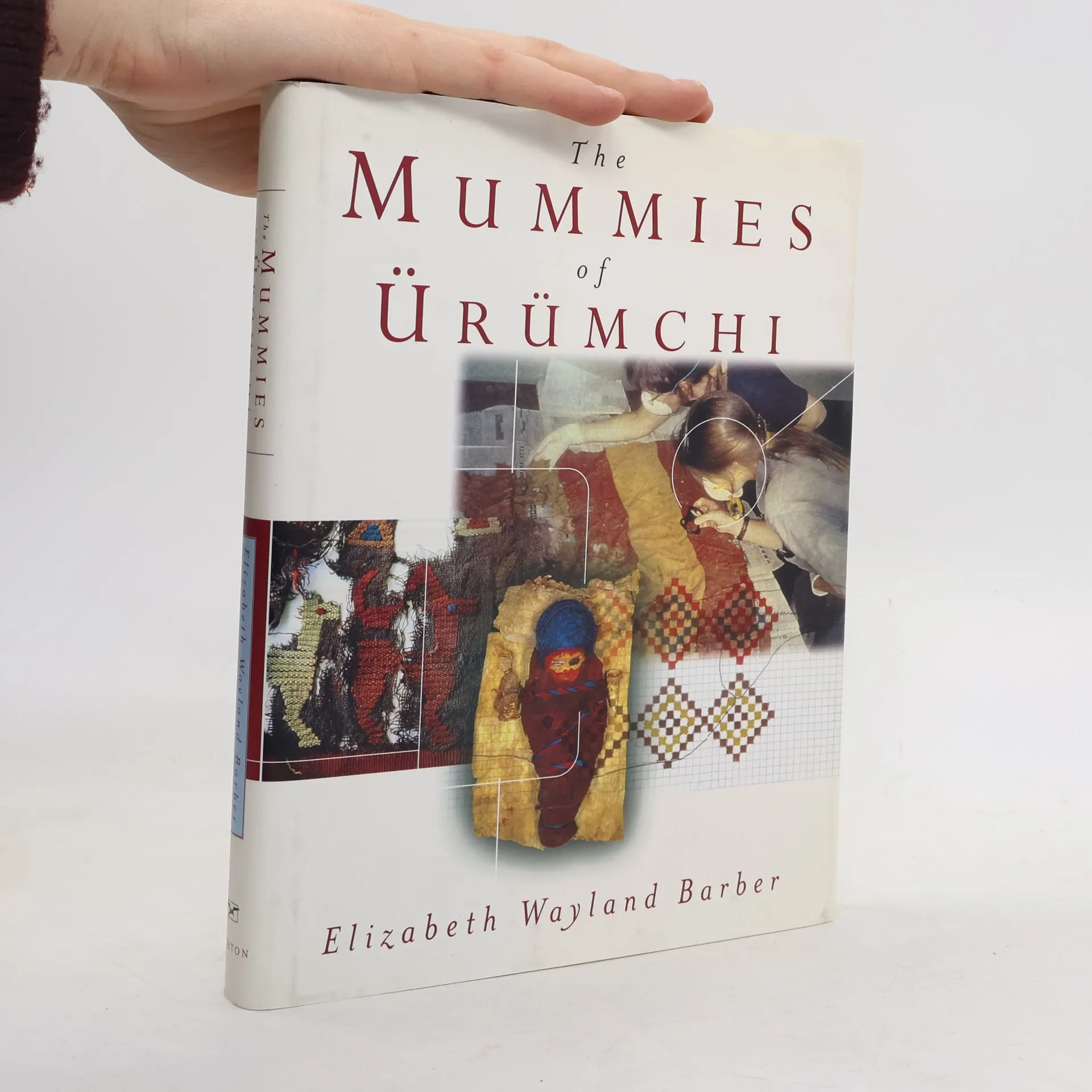
In the museums of Urumchi, the wind-swept regional capital of the Uyghur Autonomous Region in Western China, a collection of ancient mummies date back as far as 4,000 years - contemporary to the famous Egyptian mummies, but even more beautifully preserved, especially their clothing. Surprisingly, these prehistoric people are not Asian but Caucasoid - tall and large-nosed and blond with thick beards and round eyes (probably blue). What were these blond Caucasians doing in the heart of Asia? Where did they come from and what language did they speak? Might they be related to a "lost tribe" of Indo-Europeans known from later inscriptions? Few gifts are to be found in the graves of Urumchi, making it difficult for archaeologists to pinpoint cultural connections from clues offered by pottery and tools. But their clothes - woolens that rarely survive more than a few centurieshave been preserved as brightly hued as the day they were woven. Elizabeth Wayland Barber describes these remarkable mummies, their clothing, their sheepherding ways, and their path to this remote, mysterious, and forbidding place. She pieces together their history and peculiar Western connections from both what she saw in Urumchi and the testimony of explorers who traveled along the Silk Road a century earlier.
Zakup książki
The Mummies of Ürümchi, Elizabeth Wayland Barber
- Język

- Rok wydania
- 1999
- Oprawa
- (twarda)
Metody płatności
Nikt jeszcze nie ocenił.
- Tytuł
- The Mummies of Ürümchi
- Język
- angielski
- Autorzy
- Elizabeth Wayland Barber
- Wydawca
- W. W. Norton & Company
- Rok wydania
- 1999
- Oprawa
- twarda
- Liczba stron
- 240
- ISBN10
- 0393045218
- ISBN13
- 9780393045215
- Seria
- Tagi
- Tematy historyczne, USA, Starożytność, Azja, Chiny, Archeologia, Prehistoria & Starożytność, Mumie, Daleki Wschód, Epoka brązu, Sztuka prehistoryczna
- Opis
- In the museums of Urumchi, the wind-swept regional capital of the Uyghur Autonomous Region in Western China, a collection of ancient mummies date back as far as 4,000 years - contemporary to the famous Egyptian mummies, but even more beautifully preserved, especially their clothing. Surprisingly, these prehistoric people are not Asian but Caucasoid - tall and large-nosed and blond with thick beards and round eyes (probably blue). What were these blond Caucasians doing in the heart of Asia? Where did they come from and what language did they speak? Might they be related to a "lost tribe" of Indo-Europeans known from later inscriptions? Few gifts are to be found in the graves of Urumchi, making it difficult for archaeologists to pinpoint cultural connections from clues offered by pottery and tools. But their clothes - woolens that rarely survive more than a few centurieshave been preserved as brightly hued as the day they were woven. Elizabeth Wayland Barber describes these remarkable mummies, their clothing, their sheepherding ways, and their path to this remote, mysterious, and forbidding place. She pieces together their history and peculiar Western connections from both what she saw in Urumchi and the testimony of explorers who traveled along the Silk Road a century earlier.