

Więcej o książce
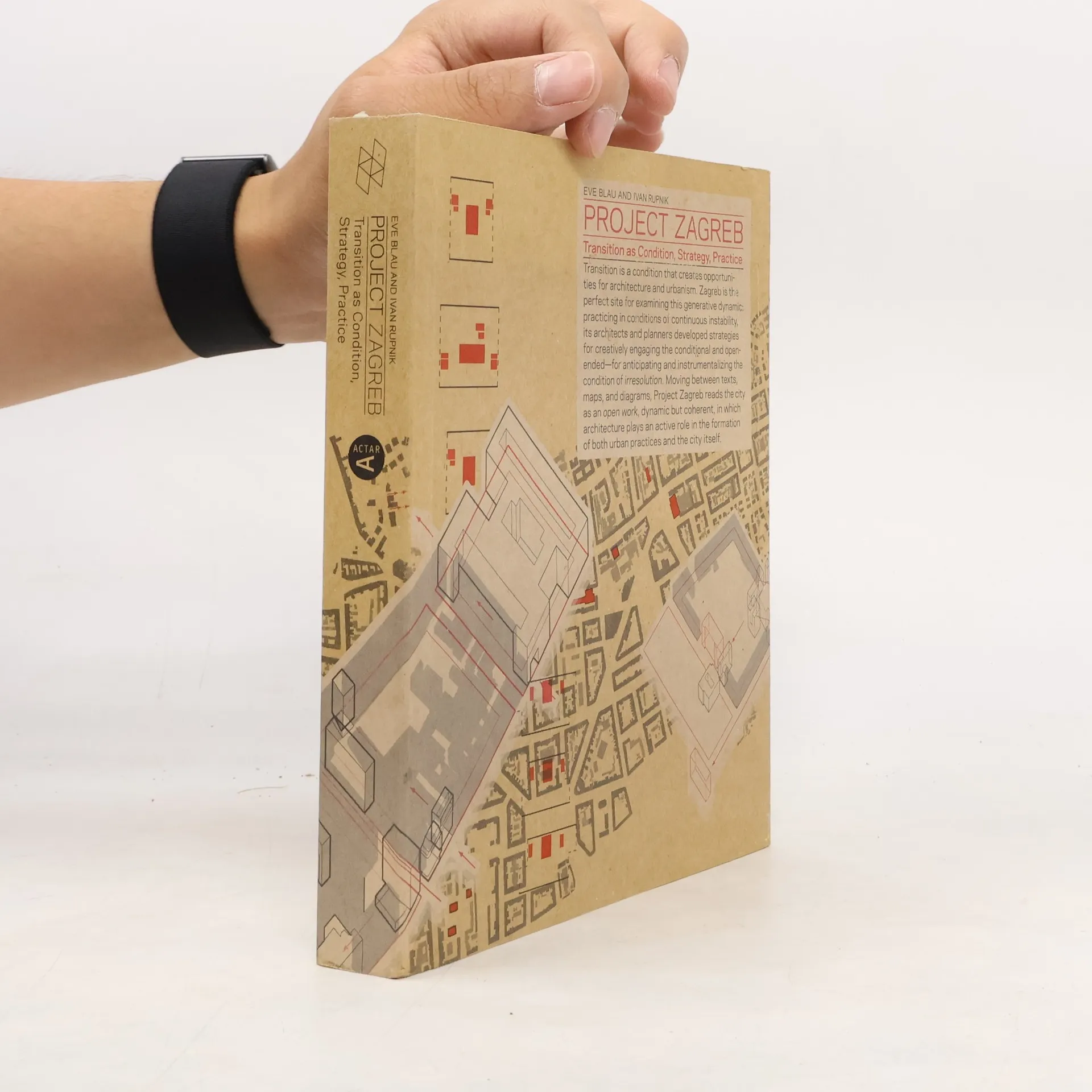
Zagreb serves as an ideal case for exploring the dynamics of transition, particularly as Croatia prepares for EU entry while navigating a complex "transition economy." For over a century, the city has experienced continuous political and economic shifts, prompting architects and planners to devise innovative urban strategies that embrace instability. This book investigates how these strategies, once manifested in built form, create new practices that yield unexpected results. Consequently, the city itself becomes a participant in transforming architectural and urban methodologies. Transition is portrayed not just as a backdrop for practice, but as a condition that elevates design above planning, allowing architecture to actively shape the city's evolution. Featuring new mappings, diagrams, and previously unpublished texts and photographs, the book includes contributions from notable figures such as Hrvoje Njiric, Helena Paver Njiric, and others. This study originated from a seminar at Harvard University Graduate School of Design, highlighting the interplay between design, urbanism, and the ongoing process of transition in Zagreb.
Zakup książki
Project Zagreb, Eve Blau, Ivan Rupnik, Harvard University. Graduate School of Design
- Język

- Rok wydania
- 2007
- Oprawa
- (miękka)
Metody płatności
Nikt jeszcze nie ocenił.
- Tytuł
- Project Zagreb
- Podtytuł
- Transition as Condition, Strategy, Practice
- Język
- angielski
- Wydawca
- Actar
- Rok wydania
- 2007
- Oprawa
- miękka
- Liczba stron
- 336
- ISBN10
- 849654057X
- ISBN13
- 9788496540576
- Seria
- Kategorie
- Opis
- Zagreb serves as an ideal case for exploring the dynamics of transition, particularly as Croatia prepares for EU entry while navigating a complex "transition economy." For over a century, the city has experienced continuous political and economic shifts, prompting architects and planners to devise innovative urban strategies that embrace instability. This book investigates how these strategies, once manifested in built form, create new practices that yield unexpected results. Consequently, the city itself becomes a participant in transforming architectural and urban methodologies. Transition is portrayed not just as a backdrop for practice, but as a condition that elevates design above planning, allowing architecture to actively shape the city's evolution. Featuring new mappings, diagrams, and previously unpublished texts and photographs, the book includes contributions from notable figures such as Hrvoje Njiric, Helena Paver Njiric, and others. This study originated from a seminar at Harvard University Graduate School of Design, highlighting the interplay between design, urbanism, and the ongoing process of transition in Zagreb.