



Więcej o książce
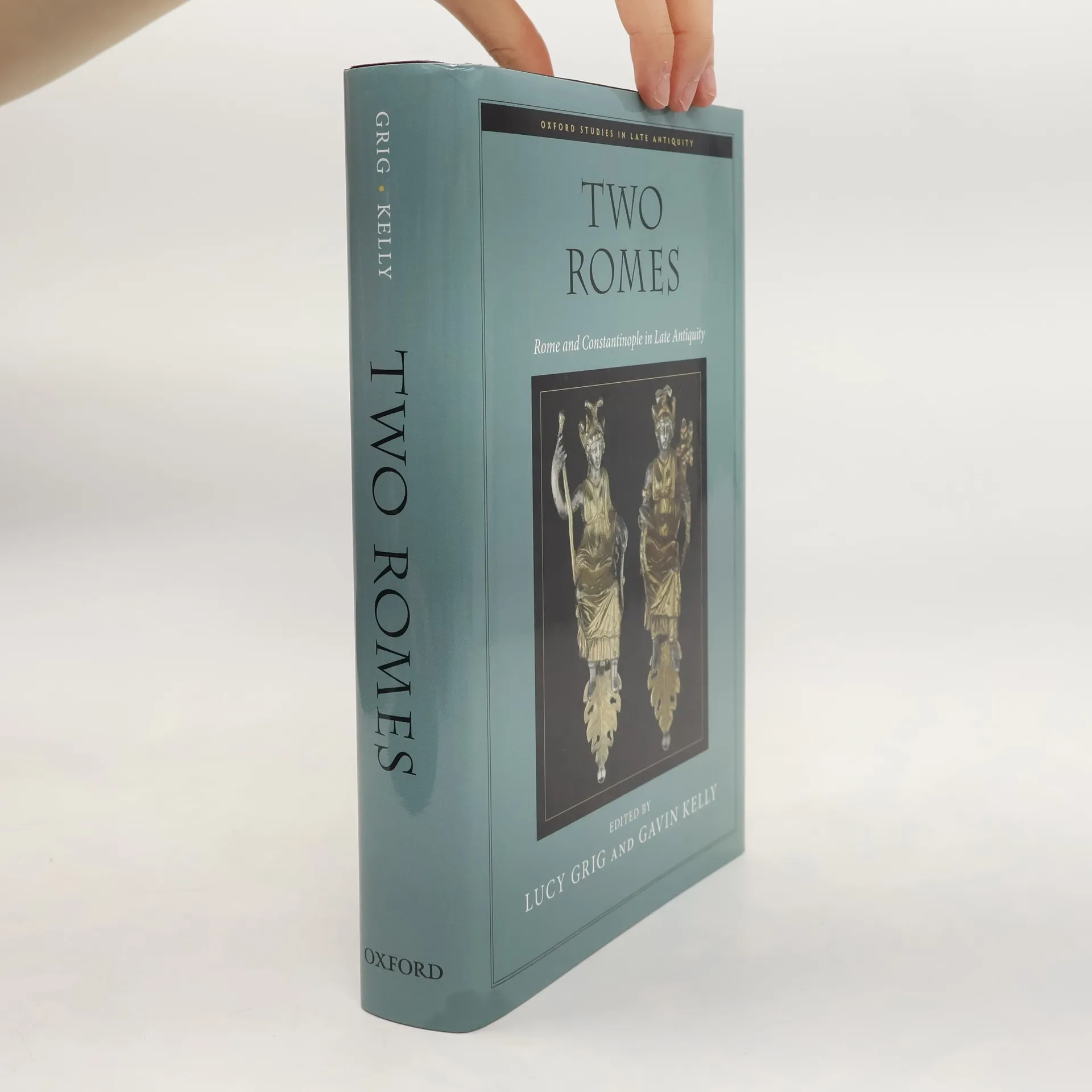
Constantinople, founded in AD 324, quickly became known as New Rome or Second Rome, eventually surpassing the original Rome as the Mediterranean's greatest city. This essay collection features prominent international scholars who explore the evolving roles and perceptions of Rome and Constantinople during Late Antiquity from various scholarly perspectives. The seventeen chapters examine the comparative development and changing status of both cities, addressing political dynamics, urbanism, and their relationships with imperial power and the church, as well as their representations in texts and images. These studies present revisionist arguments and fresh interpretations of key texts and events, focusing on the often-overlooked relationship between the two Romes while avoiding teleological biases found in previous scholarship. An introductory section contextualizes the cities and their development, while subsequent parts delve into topography, including the first English translation of the Notitia of Constantinople, and the political roles of emperors in both cities. The collection also analyzes literature, particularly the late antique panegyric genre, and examines their shared significance as Christian capitals. A thought-provoking epilogue discusses the enduring Roman identity of the post-Heraclian Byzantine state, ultimately enhancing our understanding of the late Roman world.
Zakup książki
Oxford Studies in Late Antiquity: Two Romes, Lucy Grig, Gavin Kelly
- Język

- Rok wydania
- 2012
- Oprawa
- (twarda),
- Stan książki
- Bardzo dobry
- Cena
- 204,85 zł
Metody płatności
Nikt jeszcze nie ocenił.
- Tytuł
- Oxford Studies in Late Antiquity: Two Romes
- Podtytuł
- Rome and Constantinople in Late Antiquity
- Język
- angielski
- Autorzy
- Lucy Grig, Gavin Kelly
- Wydawca
- Oxford University Press
- Rok wydania
- 2012
- Oprawa
- twarda
- Liczba stron
- 496
- ISBN10
- 0199739404
- ISBN13
- 9780199739400
- Seria
- Kategorie
- Tagi
- Tematy historyczne, Tematy religijne, USA, Średniowiecze, Starożytność, Rzym, Zachodnia Europa, Starożytny Rzym, Historiografia
- Opis
- Constantinople, founded in AD 324, quickly became known as New Rome or Second Rome, eventually surpassing the original Rome as the Mediterranean's greatest city. This essay collection features prominent international scholars who explore the evolving roles and perceptions of Rome and Constantinople during Late Antiquity from various scholarly perspectives. The seventeen chapters examine the comparative development and changing status of both cities, addressing political dynamics, urbanism, and their relationships with imperial power and the church, as well as their representations in texts and images. These studies present revisionist arguments and fresh interpretations of key texts and events, focusing on the often-overlooked relationship between the two Romes while avoiding teleological biases found in previous scholarship. An introductory section contextualizes the cities and their development, while subsequent parts delve into topography, including the first English translation of the Notitia of Constantinople, and the political roles of emperors in both cities. The collection also analyzes literature, particularly the late antique panegyric genre, and examines their shared significance as Christian capitals. A thought-provoking epilogue discusses the enduring Roman identity of the post-Heraclian Byzantine state, ultimately enhancing our understanding of the late Roman world.