

Więcej o książce
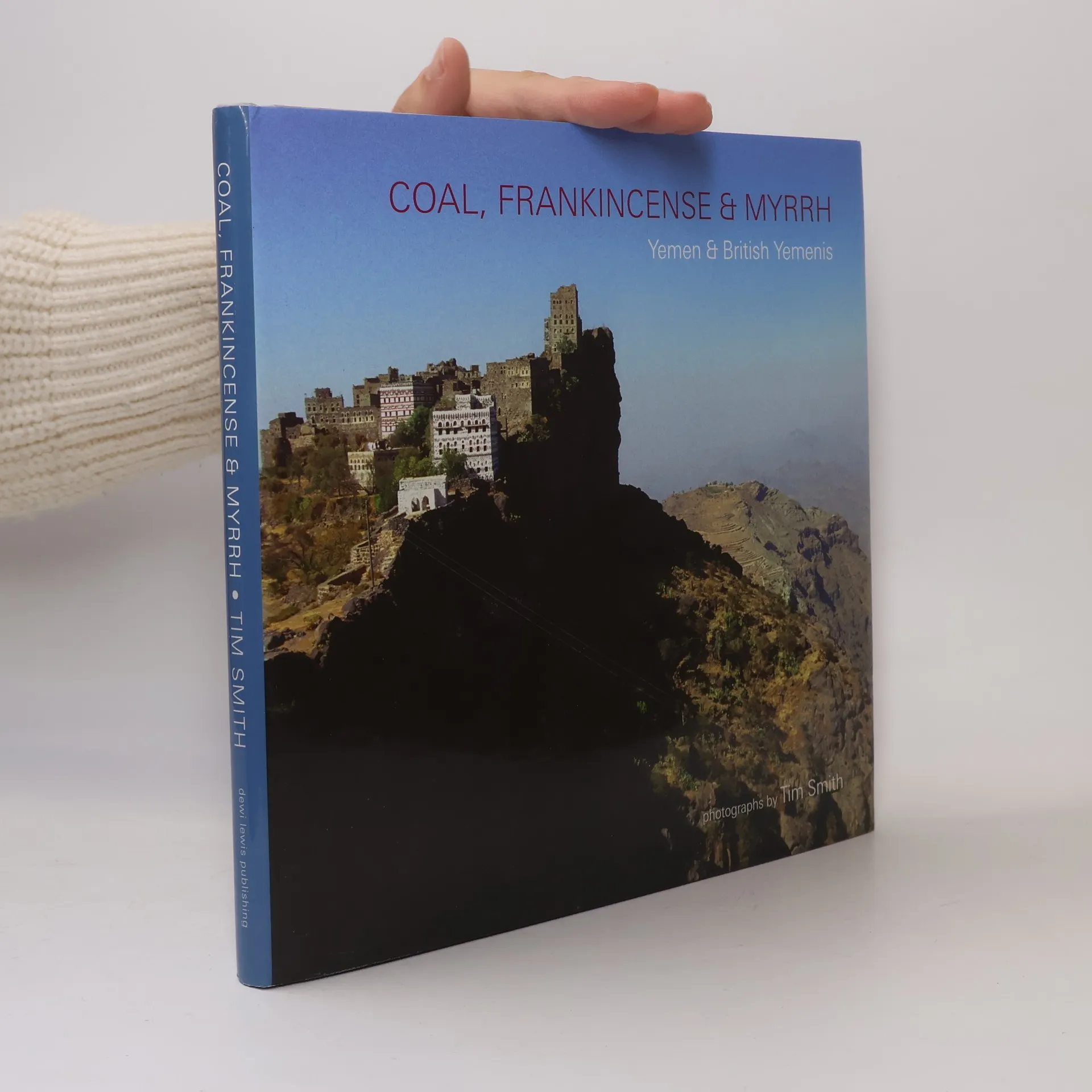
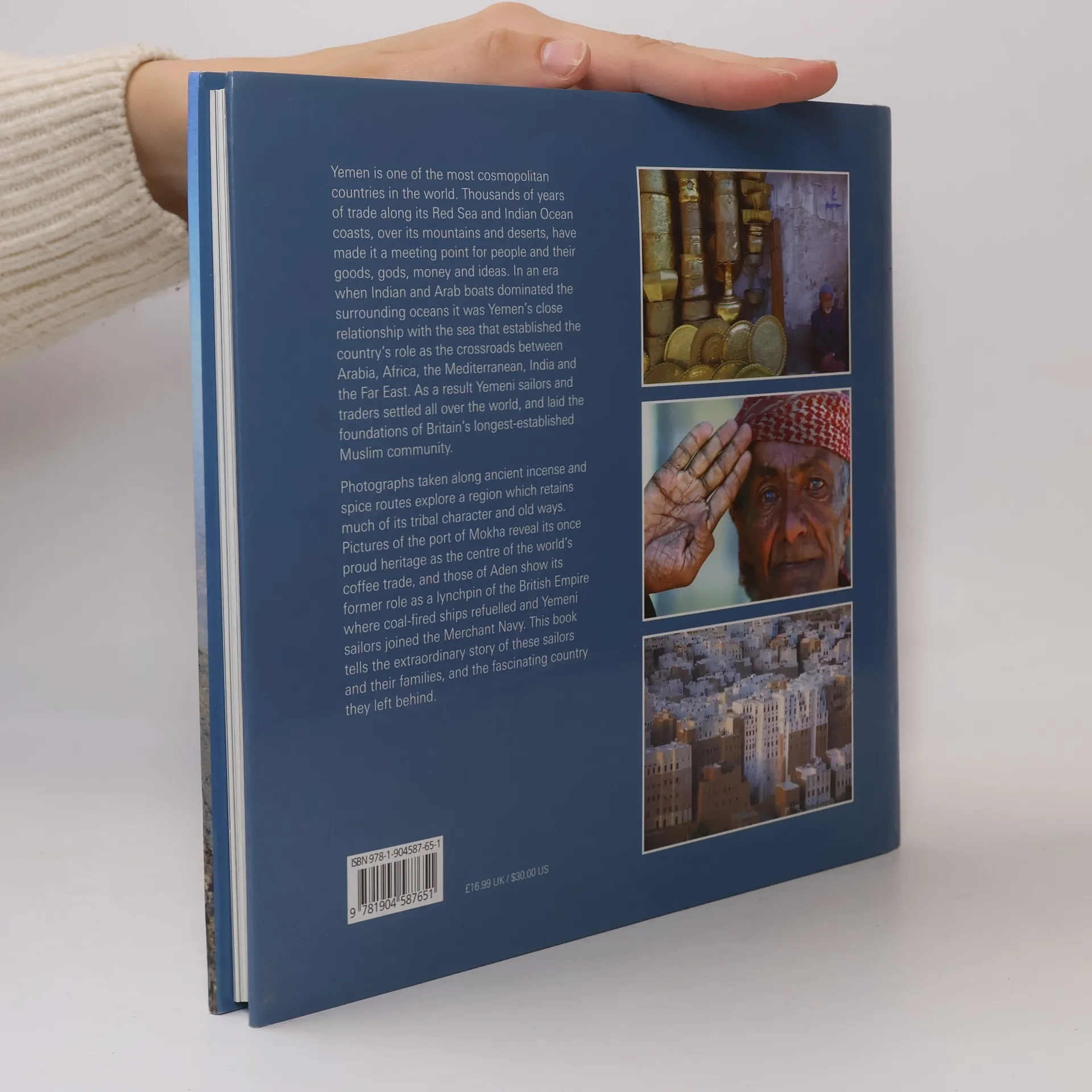
Yemen, reputedly the home of the Queen of Sheba, has been a pivotal crossroads of Africa, the Middle East, and Asia for millennia, largely due to its location on ancient spice routes. Over ten thousand years, trade along Yemen's Red Sea and Indian Ocean coasts, through its mountains and deserts, fostered a rich exchange of people, ideas, and goods, generating significant wealth. A British presence in Yemen began in the early 1600s with the East India Company establishing trading posts in Mukha, a port known for its coffee trade. In 1839, the British captured Aden to safeguard trade routes, solidifying a relationship that lasted until 1967, when Britain withdrew after granting independence amid insurgency and unrest. Yemen is also the origin of one of Britain's oldest Muslim communities, with Yemenis migrating to Britain from the 1890s, many through the British Merchant Navy, and post-World War Two. By the mid-1970s, around 15,000 Yemenis resided in Britain, though that number has since declined. Despite being one of the poorest countries in the region, Yemen retains much of its tribal culture and traditions, including traditional dress and the afternoon custom of chewing khat. Today, it remains a land of mystery, attracting adventurous tourists.
Zakup książki
Coal, Frankincense & Myrrh, Tim Smith
- Język

- Rok wydania
- 2008
- Oprawa
- (twarda)
Metody płatności
Nikt jeszcze nie ocenił.
- Tytuł
- Coal, Frankincense & Myrrh
- Podtytuł
- Yemen & British Yemenis
- Język
- angielski
- Autorzy
- Tim Smith
- Wydawca
- Dewi Lewis Publishing
- Rok wydania
- 2008
- Oprawa
- twarda
- Liczba stron
- 118
- ISBN10
- 1904587658
- ISBN13
- 9781904587651
- Seria
- Opis
- Yemen, reputedly the home of the Queen of Sheba, has been a pivotal crossroads of Africa, the Middle East, and Asia for millennia, largely due to its location on ancient spice routes. Over ten thousand years, trade along Yemen's Red Sea and Indian Ocean coasts, through its mountains and deserts, fostered a rich exchange of people, ideas, and goods, generating significant wealth. A British presence in Yemen began in the early 1600s with the East India Company establishing trading posts in Mukha, a port known for its coffee trade. In 1839, the British captured Aden to safeguard trade routes, solidifying a relationship that lasted until 1967, when Britain withdrew after granting independence amid insurgency and unrest. Yemen is also the origin of one of Britain's oldest Muslim communities, with Yemenis migrating to Britain from the 1890s, many through the British Merchant Navy, and post-World War Two. By the mid-1970s, around 15,000 Yemenis resided in Britain, though that number has since declined. Despite being one of the poorest countries in the region, Yemen retains much of its tribal culture and traditions, including traditional dress and the afternoon custom of chewing khat. Today, it remains a land of mystery, attracting adventurous tourists.