

Więcej o książce
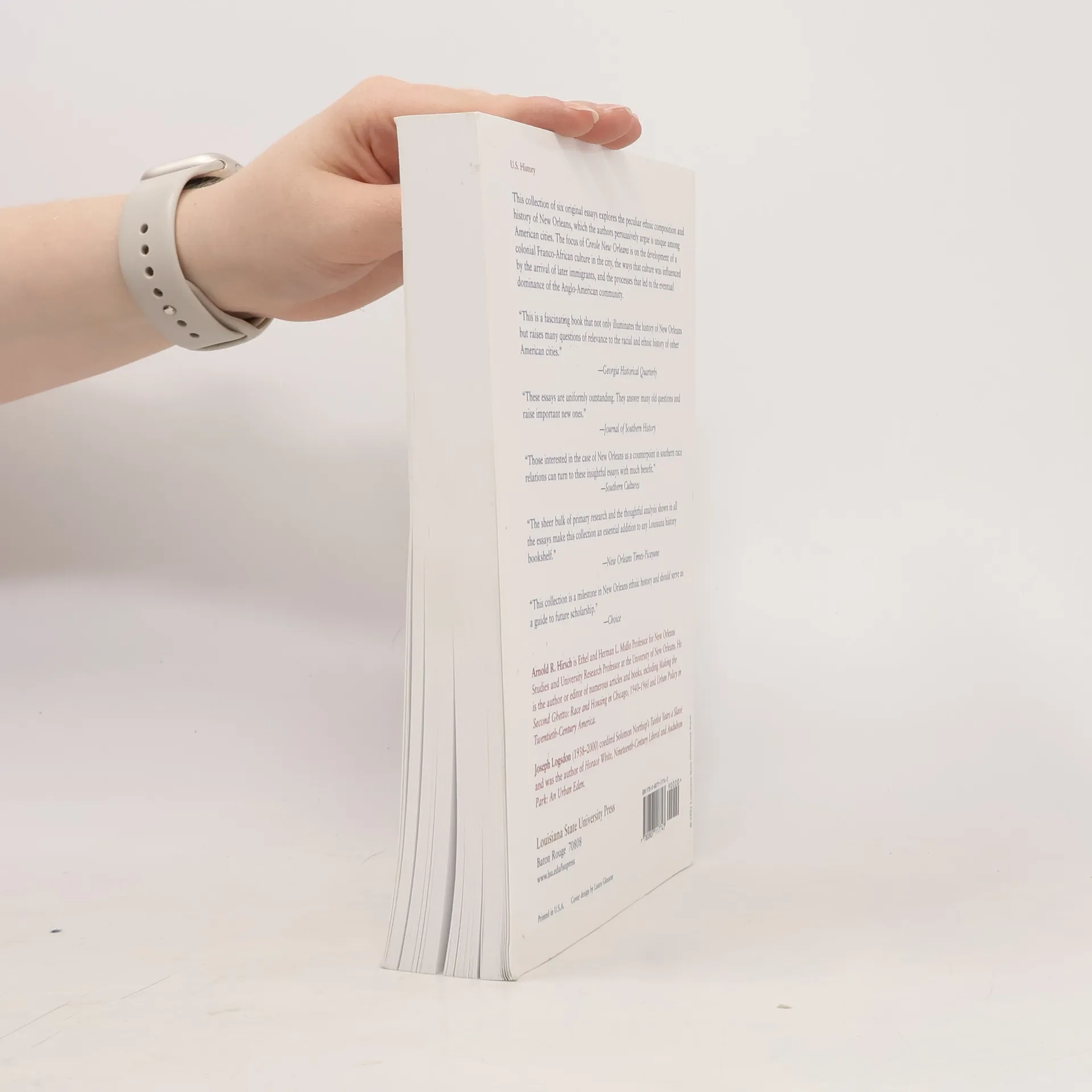
This collection of six original essays delves into the unique ethnic composition and history of New Orleans, highlighting the development of a colonial Franco-African culture and its transformation over time. The first section examines the formation of this blended culture, which resisted change and allowed New Orleans to evolve along French and African creole lines until the early nineteenth century. Jerah Johnson analyzes the motives of Louisiana's French founders, while Gwendolyn Midlo Hall offers a fresh perspective on the origins of the city's free black population. The second part addresses the challenges of integrating New Orleans into the United States post-Louisiana Purchase. Paul F. LaChance discusses how French immigrants helped preserve the city's creole culture, slowing the Americanization process. Joesph Tregle details the conflicts between white creoles and incoming white Americans in the 1800s, revealing how race ultimately led to a compromise between the two groups. The final section focuses on the evolution of race relations in the city during the nineteenth and twentieth centuries. Joseph Logsdon and Caryn Cossé Bell trace the cultural divide between black Americans and creoles through Reconstruction and Jim Crow, while Arnold R. Hirsch examines the transformation of racial politics from the early 1900s to the 1980s. Together, these essays fill a significant gap in Louisiana history and contribute to the b
Zakup książki
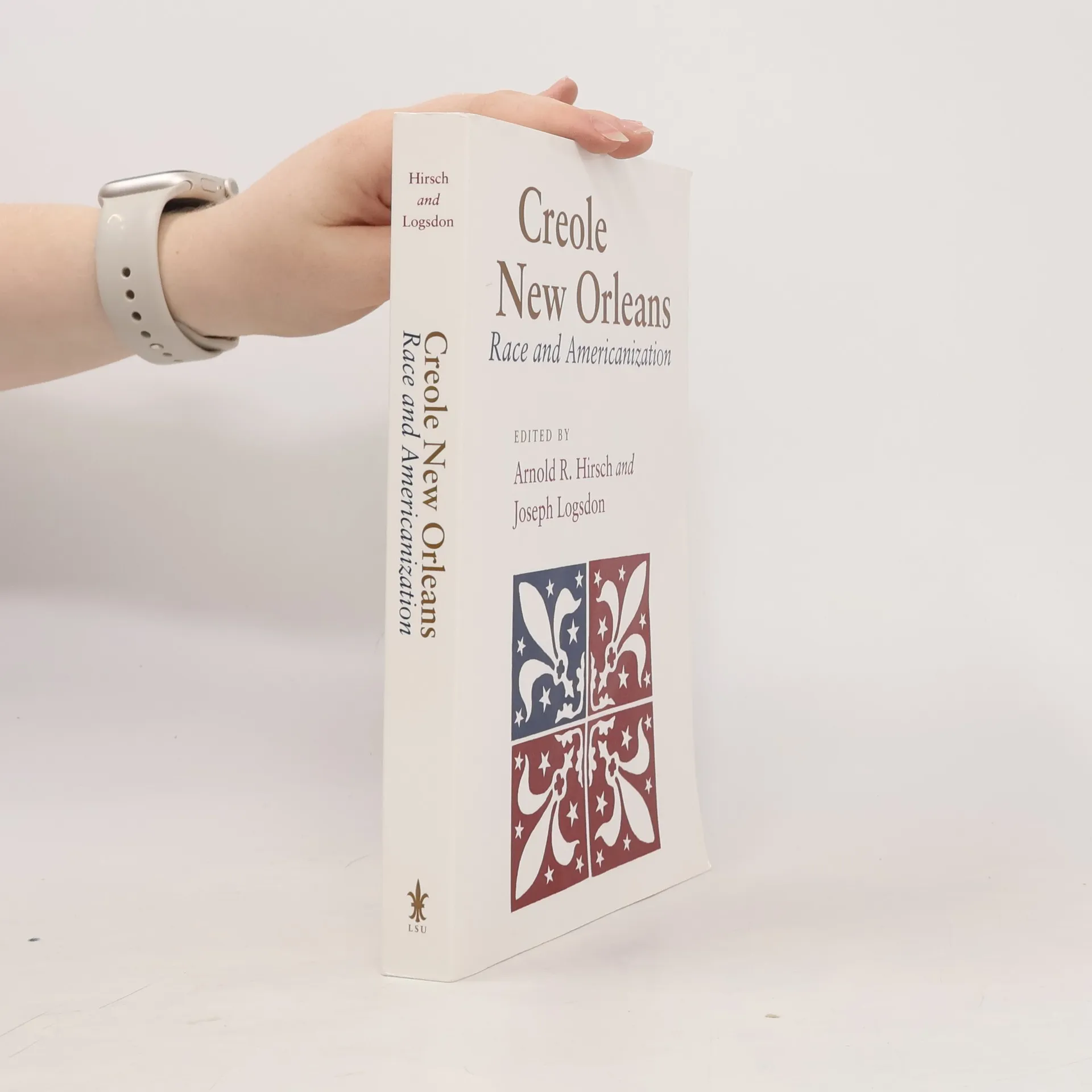
Creole New Orleans, Arnold R. Hirsch, Joseph Logsdon
- Język

- Rok wydania
- 1992
- Oprawa
- (miękka)
Metody płatności
Nikt jeszcze nie ocenił.
- Tytuł
- Creole New Orleans
- Podtytuł
- Race and Americanization
- Język
- angielski
- Autorzy
- Arnold R. Hirsch, Joseph Logsdon
- Rok wydania
- 1992
- Oprawa
- miękka
- Liczba stron
- 352
- ISBN10
- 0807117749
- ISBN13
- 9780807117743
- Seria
- Kategorie
- Opis
- This collection of six original essays delves into the unique ethnic composition and history of New Orleans, highlighting the development of a colonial Franco-African culture and its transformation over time. The first section examines the formation of this blended culture, which resisted change and allowed New Orleans to evolve along French and African creole lines until the early nineteenth century. Jerah Johnson analyzes the motives of Louisiana's French founders, while Gwendolyn Midlo Hall offers a fresh perspective on the origins of the city's free black population. The second part addresses the challenges of integrating New Orleans into the United States post-Louisiana Purchase. Paul F. LaChance discusses how French immigrants helped preserve the city's creole culture, slowing the Americanization process. Joesph Tregle details the conflicts between white creoles and incoming white Americans in the 1800s, revealing how race ultimately led to a compromise between the two groups. The final section focuses on the evolution of race relations in the city during the nineteenth and twentieth centuries. Joseph Logsdon and Caryn Cossé Bell trace the cultural divide between black Americans and creoles through Reconstruction and Jim Crow, while Arnold R. Hirsch examines the transformation of racial politics from the early 1900s to the 1980s. Together, these essays fill a significant gap in Louisiana history and contribute to the b