

Parametry
- 272 strony
- 10 godzin czytania
Więcej o książce
In recent years there has been an intensifying debate within the religious studies community about the validity of religion as an analytical category. In this book Fitzgerald sides with those who argue that the concept of religion itself should be abandoned. On the basis of his own research in India and Japan, and through a detailed analysis of the use of religion in a wide range of scholarly texts, the author maintains that the comparative study of religion is really a form of liberal ecumenical theology. By pretending to be a science, religion significantly distorts socio-cultural analysis. He suggest, however, that religious studies can be re-represented in a way which opens up new and productive theoretical connections with anthropology and cultural and literary studies.
Zakup książki
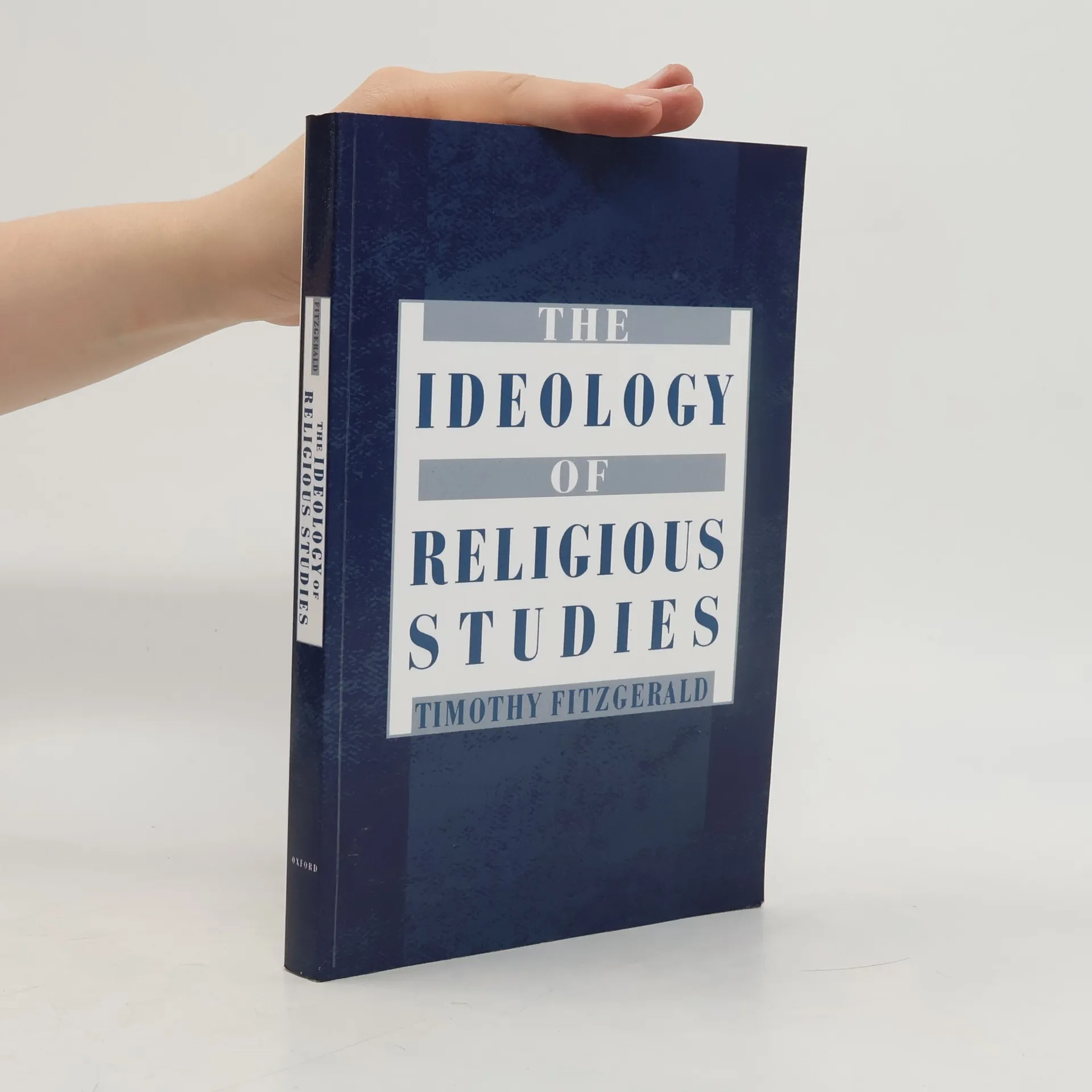
The Ideology of Religious Studies, Timothy Fitzgerald
- Język

- Rok wydania
- 2003
- Oprawa
- (miękka)
Metody płatności
Nikt jeszcze nie ocenił.
- Tytuł
- The Ideology of Religious Studies
- Język
- angielski
- Autorzy
- Timothy Fitzgerald
- Wydawca
- Oxford University Press
- Rok wydania
- 2003
- Oprawa
- miękka
- Liczba stron
- 272
- ISBN10
- 0195167694
- ISBN13
- 9780195167696
- Seria
- Tagi
- Tematy religijne, Tematy chrześcijańskie, USA, Edukacja & Szkolnictwo, Teologia, Kultura popularna
- Opis
- In recent years there has been an intensifying debate within the religious studies community about the validity of religion as an analytical category. In this book Fitzgerald sides with those who argue that the concept of religion itself should be abandoned. On the basis of his own research in India and Japan, and through a detailed analysis of the use of religion in a wide range of scholarly texts, the author maintains that the comparative study of religion is really a form of liberal ecumenical theology. By pretending to be a science, religion significantly distorts socio-cultural analysis. He suggest, however, that religious studies can be re-represented in a way which opens up new and productive theoretical connections with anthropology and cultural and literary studies.