

Więcej o książce
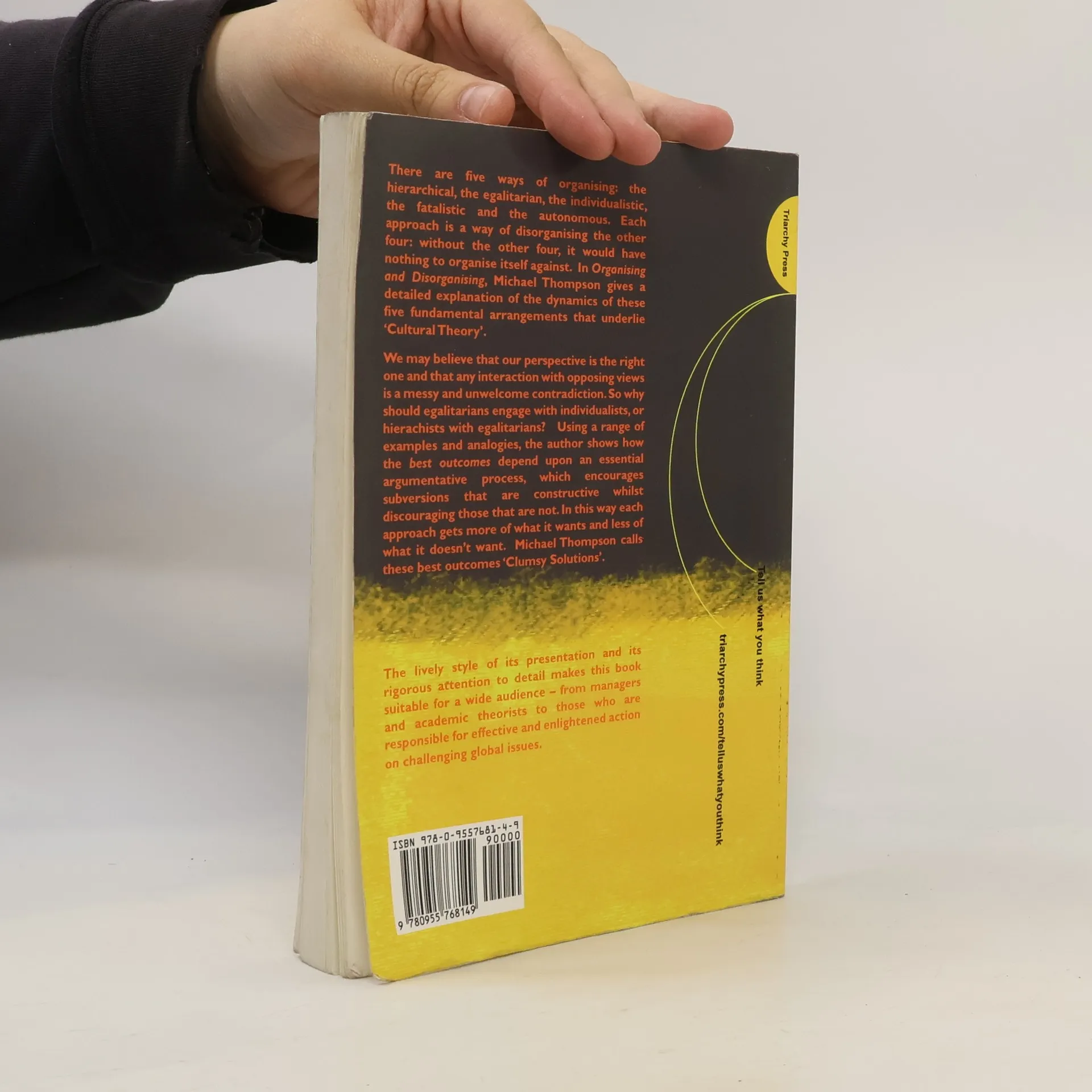
There are five ways of the hierarchical, the egalitarian, the individualistic, the fatalistic and the autonomous. Each approach is a way of disorganising the other without the other four, it would have nothing to organise itself against. In Organising and Disorganising, Michael Thompson gives a detailed explanation of the dynamics of these five fundamental arrangements that underlie 'Cultural Theory'. We may believe that our perspective is the right one and that any interaction with opposing views is a messy and unwelcome contradiction. So why should egalitarians engage with individualists, or hierachists with egalitarians? Using a range of examples and analogies, the author shows how the best outcomes depend upon an essential argumentative process, which encourages subversions that are constructive whilst discouraging those that are not. In this way each approach gets more of what it wants and less of what it doesn't want. Michael Thompson calls these best outcomes 'Clumsy Solutions'. The lively style of its presentation and its rigorous attention to detail makes this book suitable for a wide audience - from managers and academic theorists to those who are responsible for effective and enlightened action on challenging global issues.
Zakup książki
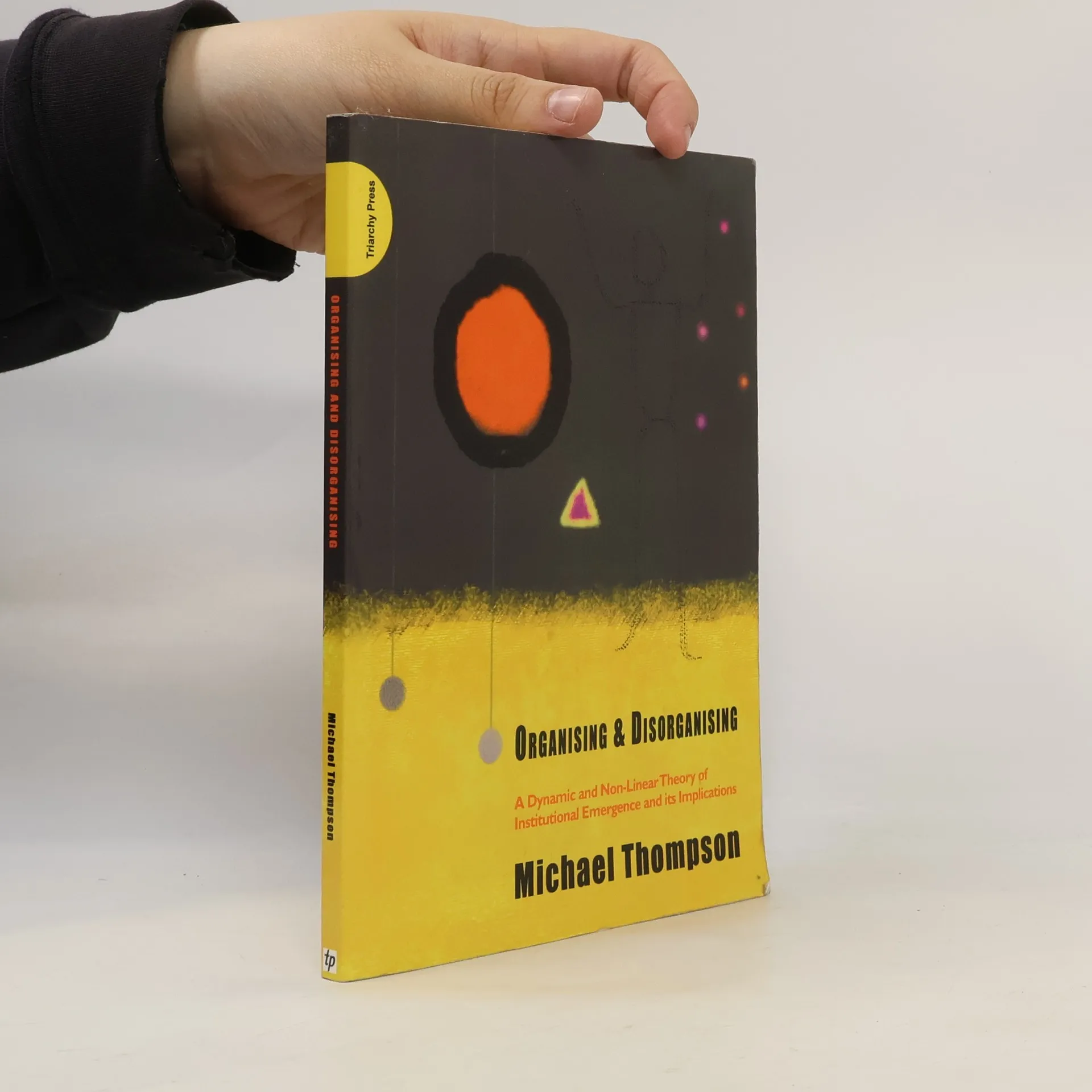
Organising and Disorganising, Michael Thompson
- Język

- Rok wydania
- 2008
- Oprawa
- (miękka),
- Stan książki
- Dobry
- Cena
- 26,51 zł
Metody płatności
Nikt jeszcze nie ocenił.
- Tytuł
- Organising and Disorganising
- Podtytuł
- A Dynamic and Non-Linear Theory of Institutional Emergence and Its Implications
- Język
- angielski
- Autorzy
- Michael Thompson
- Wydawca
- Triarchy Press Ltd
- Rok wydania
- 2008
- Oprawa
- miękka
- Liczba stron
- 157
- ISBN10
- 0955768144
- ISBN13
- 9780955768149
- Seria
- Tagi
- Biznes
- Opis
- There are five ways of the hierarchical, the egalitarian, the individualistic, the fatalistic and the autonomous. Each approach is a way of disorganising the other without the other four, it would have nothing to organise itself against. In Organising and Disorganising, Michael Thompson gives a detailed explanation of the dynamics of these five fundamental arrangements that underlie 'Cultural Theory'. We may believe that our perspective is the right one and that any interaction with opposing views is a messy and unwelcome contradiction. So why should egalitarians engage with individualists, or hierachists with egalitarians? Using a range of examples and analogies, the author shows how the best outcomes depend upon an essential argumentative process, which encourages subversions that are constructive whilst discouraging those that are not. In this way each approach gets more of what it wants and less of what it doesn't want. Michael Thompson calls these best outcomes 'Clumsy Solutions'. The lively style of its presentation and its rigorous attention to detail makes this book suitable for a wide audience - from managers and academic theorists to those who are responsible for effective and enlightened action on challenging global issues.