



Więcej o książce
What is the nature of the fundamental relation we have to ourselves that makes each of us a self? To answer this question, Charles Larmore develops a systematic theory of the self, challenging the widespread view that the self’s defining relation to itself is to have an immediate knowledge of its own thoughts. On the contrary, Larmore maintains, our essential relation to ourselves is practical, as is clear when we consider the nature of belief and desire. For to believe or desire something consists in committing ourselves to thinking and acting in accord with the presumed truth of our belief or the presumed value of what we desire. Larmore develops this conception with frequent reference to such classic authors as Montaigne, Stendhal, and Proust and by comparing it to other views of the self in contemporary philosophy. He also discusses the important ethical consequences of his theory of the self, arguing that it allows us to better grasp what it means to be ourselves and why self-understanding often involves self-creation. Winner of the Académie Française’s Grand Prix de Philosophie, The Practices of the Self is that rare kind of lucid yet rigorous work that transcends disciplinary boundaries.
Zakup książki
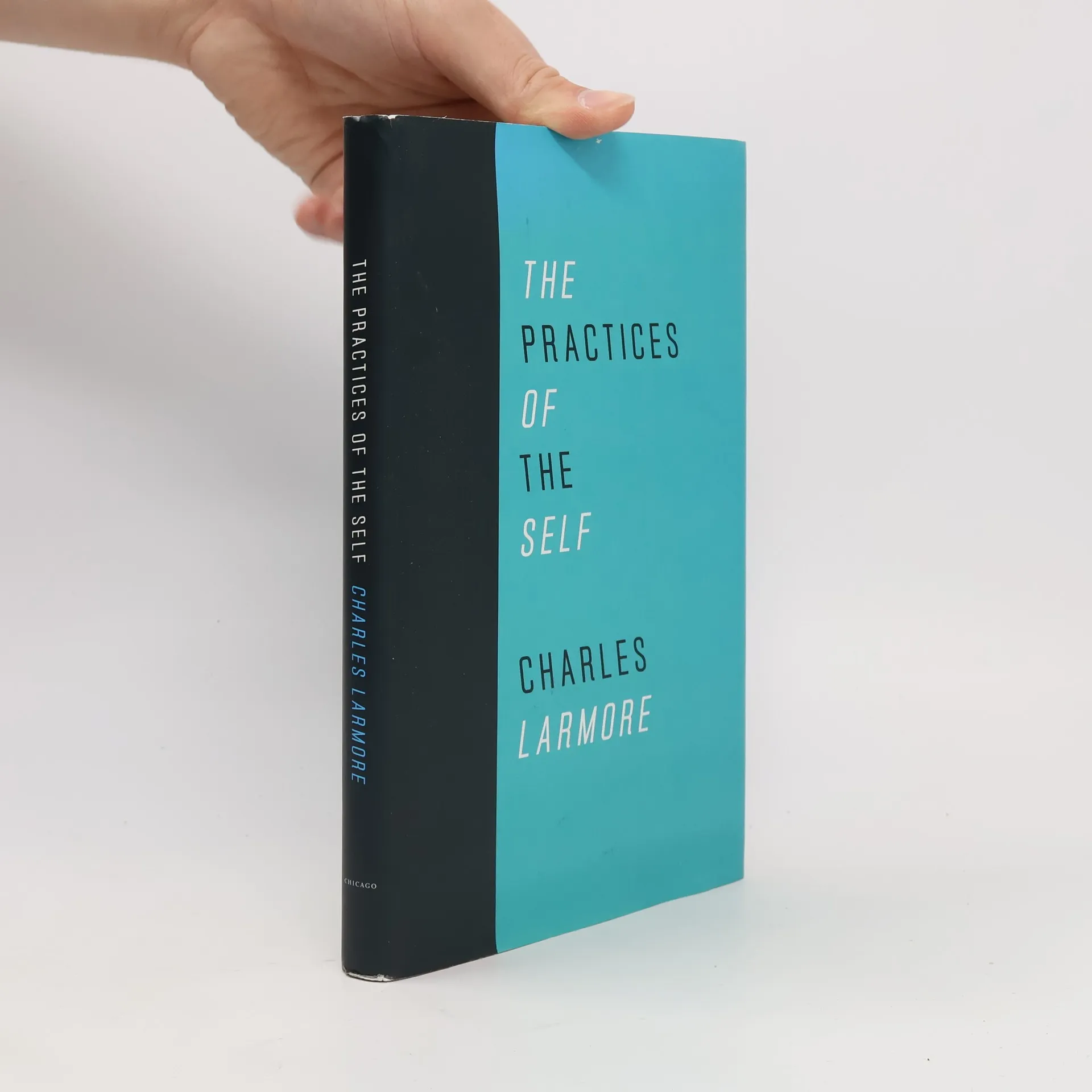
The Practices of the Self, Charles E. Larmore, Sharon L. Bowman
- Język

- Rok wydania
- 2010
- Oprawa
- (twarda)
Metody płatności
Nikt jeszcze nie ocenił.
- Tytuł
- The Practices of the Self
- Język
- angielski
- Autorzy
- Charles E. Larmore, Sharon L. Bowman
- Rok wydania
- 2010
- Oprawa
- twarda
- Liczba stron
- 201
- ISBN10
- 0226468879
- ISBN13
- 9780226468877
- Seria
- Opis
- What is the nature of the fundamental relation we have to ourselves that makes each of us a self? To answer this question, Charles Larmore develops a systematic theory of the self, challenging the widespread view that the self’s defining relation to itself is to have an immediate knowledge of its own thoughts. On the contrary, Larmore maintains, our essential relation to ourselves is practical, as is clear when we consider the nature of belief and desire. For to believe or desire something consists in committing ourselves to thinking and acting in accord with the presumed truth of our belief or the presumed value of what we desire. Larmore develops this conception with frequent reference to such classic authors as Montaigne, Stendhal, and Proust and by comparing it to other views of the self in contemporary philosophy. He also discusses the important ethical consequences of his theory of the self, arguing that it allows us to better grasp what it means to be ourselves and why self-understanding often involves self-creation. Winner of the Académie Française’s Grand Prix de Philosophie, The Practices of the Self is that rare kind of lucid yet rigorous work that transcends disciplinary boundaries.