


Więcej o książce
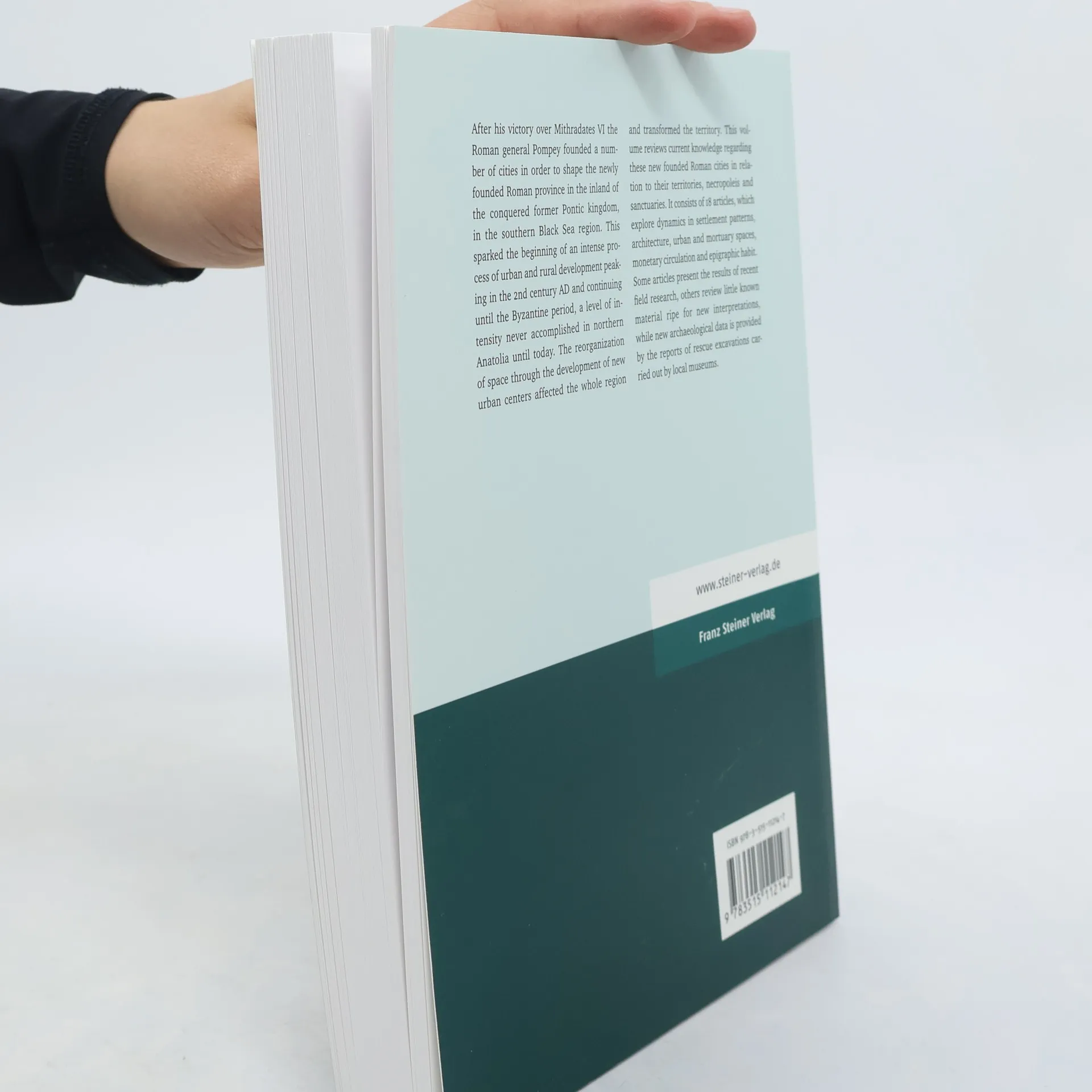
After his victory over Mithradates VI the Roman general Pompey founded a number of cities in order to shape the newly founded Roman province in the inland of the conquered former Pontic kingdom, in the southern Black Sea region. This sparked the beginning of an intense process of urban and rural development peaking in the 2nd century AD and continuing until the Byzantine period, a level of intensity never accomplished in northern Anatolia until today. The reorganization of space through the development of new urban centers affected the whole region and transformed the territory. This volume reviews current knowledge regarding these new founded Roman cities in relation to their territories, necropoleis and sanctuaries. It consists of 18 articles, which explore dynamics in settlement patterns, architecture, urban and mortuary spaces, monetary circulation and epigraphic habit. Some articles present the results of recent field research, others review little known material ripe for new interpretations, while new archaeological data is provided by the reports of rescue excavations carried out by local museums.
Zakup książki
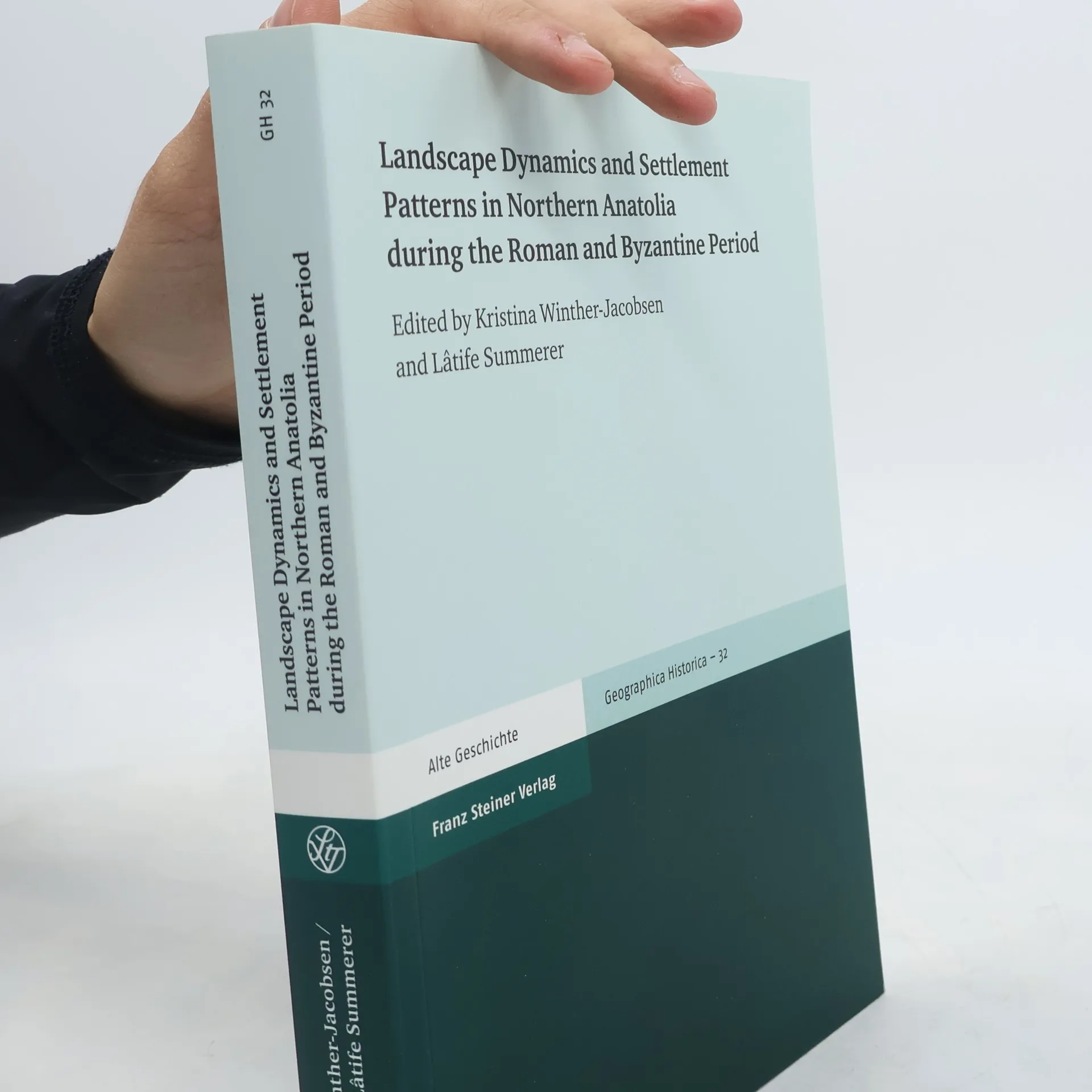
Geographica Historica - 32: Landscape Dynamics and Settlement Patterns in Northern Anatolia During the Roman and Byzantine Period, Kristina Winther-Jacobsen, Lâtife Summerer
- Język

- Rok wydania
- 2015
- Oprawa
- (miękka)
Metody płatności
Nikt jeszcze nie ocenił.
- Tytuł
- Geographica Historica - 32: Landscape Dynamics and Settlement Patterns in Northern Anatolia During the Roman and Byzantine Period
- Język
- angielski
- Wydawca
- Franz Steiner Verlag
- Rok wydania
- 2015
- Oprawa
- miękka
- Liczba stron
- 354
- ISBN10
- 3515112146
- ISBN13
- 9783515112147
- Seria
- Kategorie
- Opis
- After his victory over Mithradates VI the Roman general Pompey founded a number of cities in order to shape the newly founded Roman province in the inland of the conquered former Pontic kingdom, in the southern Black Sea region. This sparked the beginning of an intense process of urban and rural development peaking in the 2nd century AD and continuing until the Byzantine period, a level of intensity never accomplished in northern Anatolia until today. The reorganization of space through the development of new urban centers affected the whole region and transformed the territory. This volume reviews current knowledge regarding these new founded Roman cities in relation to their territories, necropoleis and sanctuaries. It consists of 18 articles, which explore dynamics in settlement patterns, architecture, urban and mortuary spaces, monetary circulation and epigraphic habit. Some articles present the results of recent field research, others review little known material ripe for new interpretations, while new archaeological data is provided by the reports of rescue excavations carried out by local museums.