

Więcej o książce
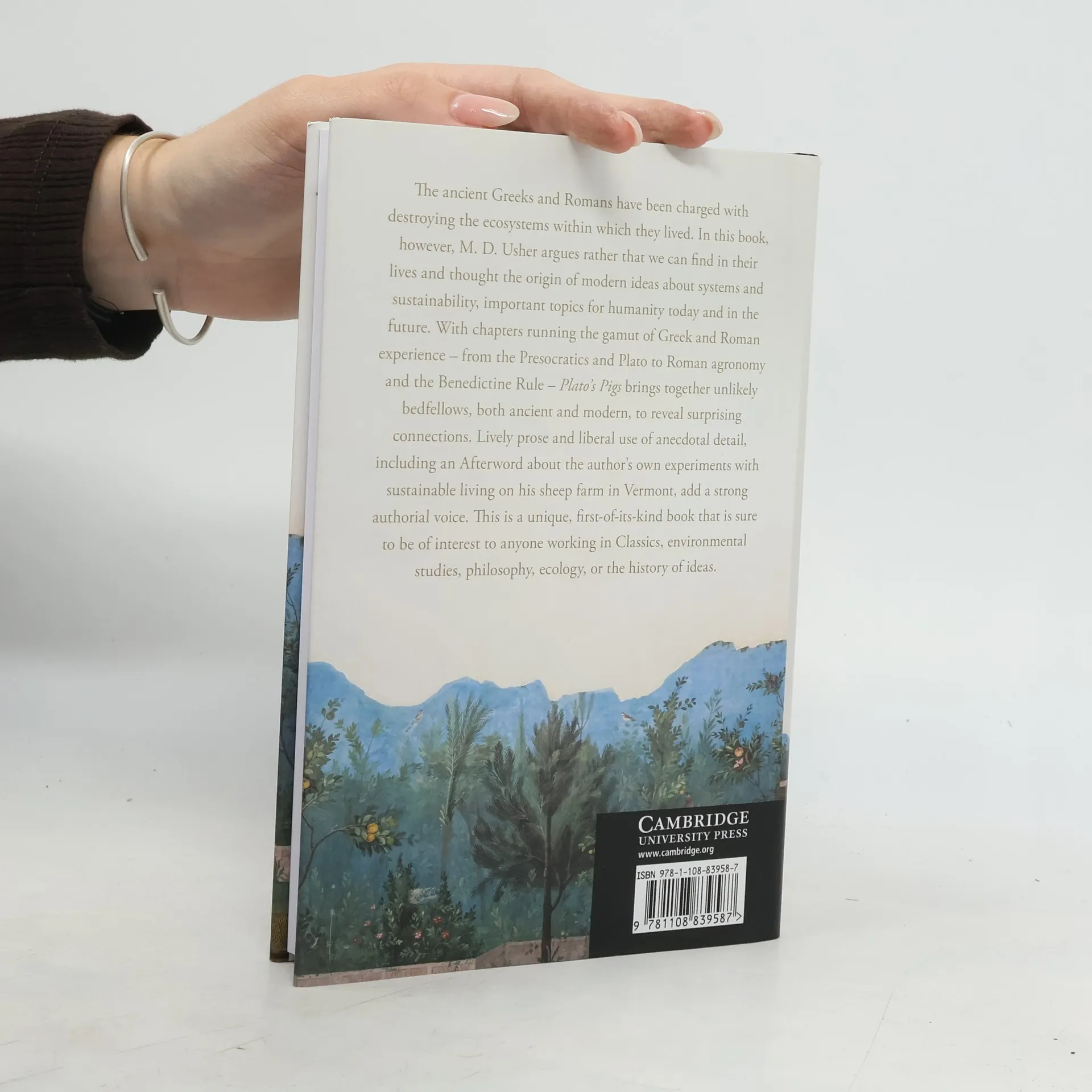
The Greeks and Romans have been charged with destroying the ecosystems within which they lived. In this book, however, M. D. Usher argues rather that we can find in their lives and thought the origin of modern ideas about systems and sustainability, important topics for humans today and in the future. With chapters running the gamut of Greek and Roman experience – from the Presocratics and Plato to Roman agronomy and the Benedictine Rule – Plato's Pigs brings together unlikely bedfellows, both ancient and modern, to reveal surprising connections. Lively prose and liberal use of anecdotal detail, including an afterword about the author's own experiments with sustainable living on his sheep farm in Vermont, add a strong authorial voice. In short, this is a unique, first-of-its-kind book that is sure to be of interest to anyone working in Classics, environmental studies, philosophy, ecology, or the history of ideas.
Zakup książki
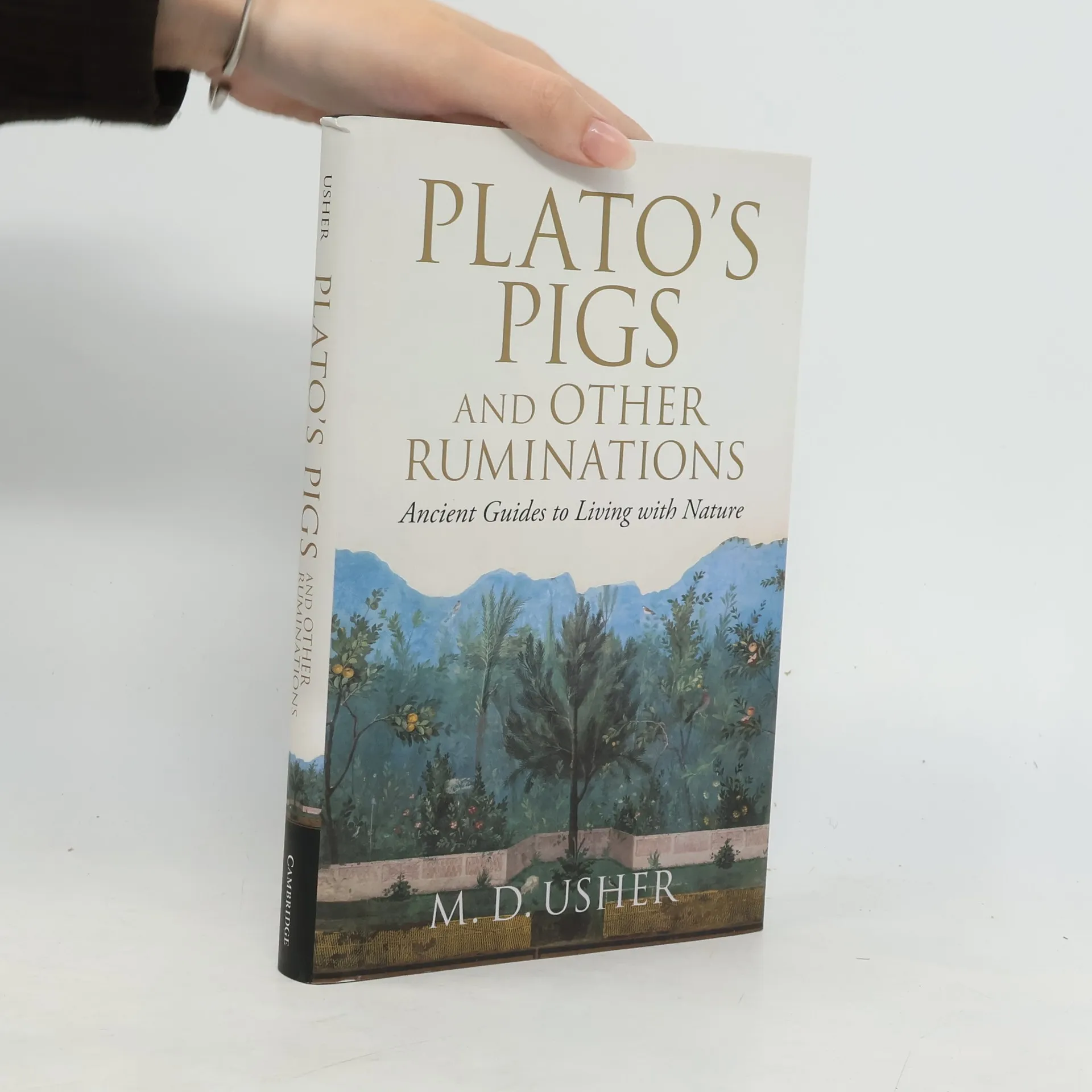
Plato's Pigs and Other Ruminations, M. D. Usher
- Język

- Rok wydania
- 2020
- Oprawa
- (twarda)
Metody płatności
Nikt jeszcze nie ocenił.
- Tytuł
- Plato's Pigs and Other Ruminations
- Podtytuł
- Ancient Guides to Living with Nature
- Język
- angielski
- Autorzy
- M. D. Usher
- Wydawca
- Cambridge University Press
- Rok wydania
- 2020
- Oprawa
- twarda
- Liczba stron
- 282
- ISBN10
- 1108839584
- ISBN13
- 9781108839587
- Seria
- Tagi
- Tematy historyczne, Tematyka filozoficzna, Tematy ekologiczne, Starożytność, Zrównoważony rozwój, Filozofia natury, Etyka środowiskowa
- Opis
- The Greeks and Romans have been charged with destroying the ecosystems within which they lived. In this book, however, M. D. Usher argues rather that we can find in their lives and thought the origin of modern ideas about systems and sustainability, important topics for humans today and in the future. With chapters running the gamut of Greek and Roman experience – from the Presocratics and Plato to Roman agronomy and the Benedictine Rule – Plato's Pigs brings together unlikely bedfellows, both ancient and modern, to reveal surprising connections. Lively prose and liberal use of anecdotal detail, including an afterword about the author's own experiments with sustainable living on his sheep farm in Vermont, add a strong authorial voice. In short, this is a unique, first-of-its-kind book that is sure to be of interest to anyone working in Classics, environmental studies, philosophy, ecology, or the history of ideas.