

Parametry
- 320 stron
- 12 godzin czytania
Więcej o książce
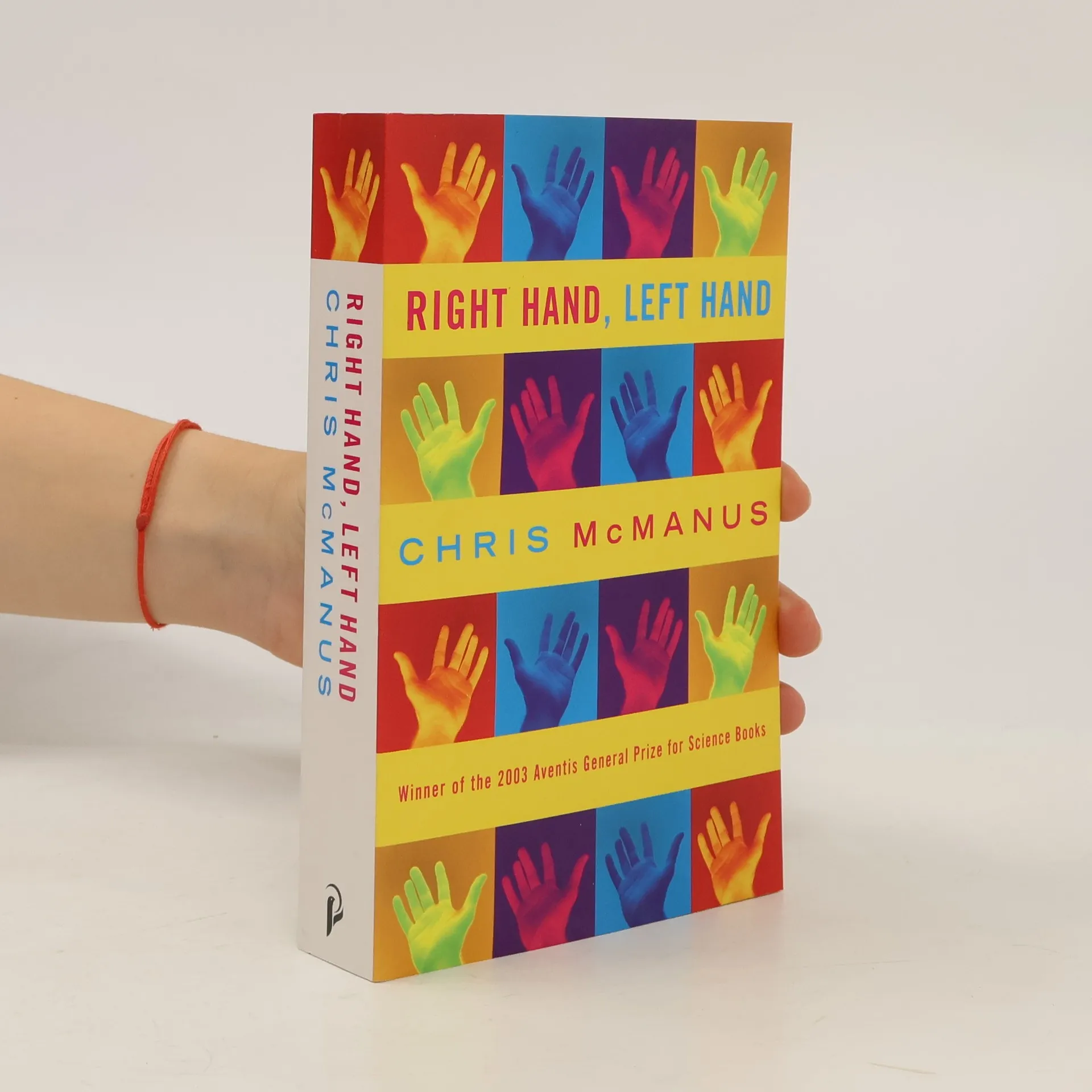
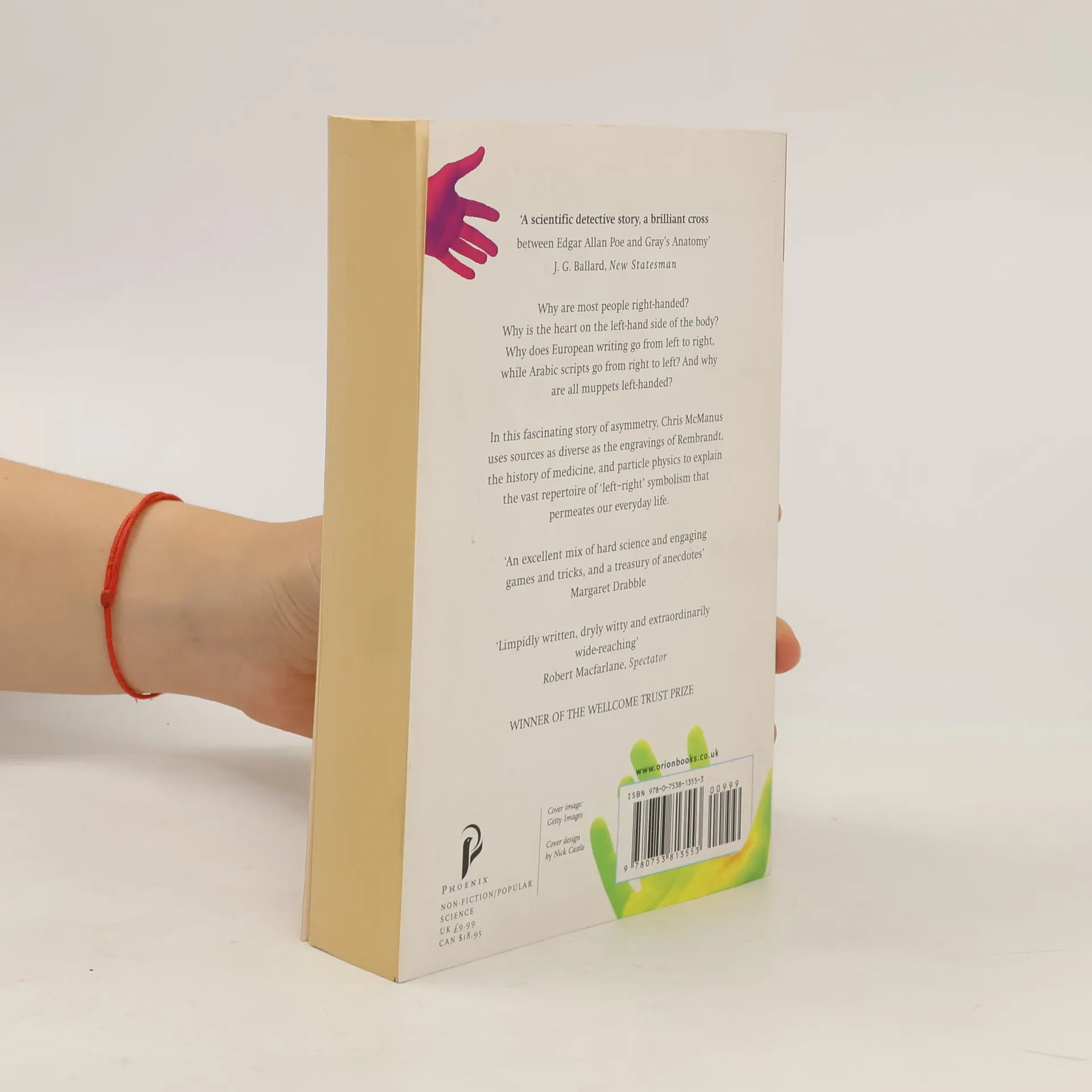
Winner of the Aventis Science Book Prize. 'A scientific detective story, a brilliant cross between Edgar Allan Poe and Gray's anatomy' J G Ballard, New Stateman Books of the Year- Why are most people right-handed? Do left-handers behave differently from right-handers?- Why is the heart on the left-hand side of the body?- Why is each side of the human brain so different?- Why do the British drive on the left? Why do European languages go from left to right, while Arabic ones read the other way?- Why do clocks go clockwise?- What is the relationship between handedness and speech disorders, such as stuttering?RIGHT HAND, LEFT HAND uses sources as diverse as the paintings of Rembrandt and the sculpture of Michelangelo, the behaviour of Canadian cichlid fish and the story of early cartography. Modern cognitive science, the history of the Wimbledon tennis championship and the biographies of great musicians are also used to explain the vast repertoire of 'left-right' symbolism that permeates our everyday lives. schovat popis
Zakup książki
Right Hand, Left Hand, Chris McManus
- Język

- Rok wydania
- 2003
- Oprawa
- (miękka)
Metody płatności
Nikt jeszcze nie ocenił.
- Tytuł
- Right Hand, Left Hand
- Język
- angielski
- Autorzy
- Chris McManus
- Wydawca
- Orion Publishing
- Rok wydania
- 2003
- Oprawa
- miękka
- Liczba stron
- 320
- ISBN10
- 0753813556
- ISBN13
- 9780753813553
- Seria
- Tagi
- Nauki przyrodnicze, Tematyka psychologiczna, Tematy prawne, Nauka, Kultura & Społeczeństwo, Folklor & Kultura ludowa, Kultura popularna, Ewolucja, Neurobiologia, Genetyka, Biologia człowieka, EQ, inteligencja emocjonalna
- Opis
- Winner of the Aventis Science Book Prize. 'A scientific detective story, a brilliant cross between Edgar Allan Poe and Gray's anatomy' J G Ballard, New Stateman Books of the Year- Why are most people right-handed? Do left-handers behave differently from right-handers?- Why is the heart on the left-hand side of the body?- Why is each side of the human brain so different?- Why do the British drive on the left? Why do European languages go from left to right, while Arabic ones read the other way?- Why do clocks go clockwise?- What is the relationship between handedness and speech disorders, such as stuttering?RIGHT HAND, LEFT HAND uses sources as diverse as the paintings of Rembrandt and the sculpture of Michelangelo, the behaviour of Canadian cichlid fish and the story of early cartography. Modern cognitive science, the history of the Wimbledon tennis championship and the biographies of great musicians are also used to explain the vast repertoire of 'left-right' symbolism that permeates our everyday lives. schovat popis