



Więcej o książce
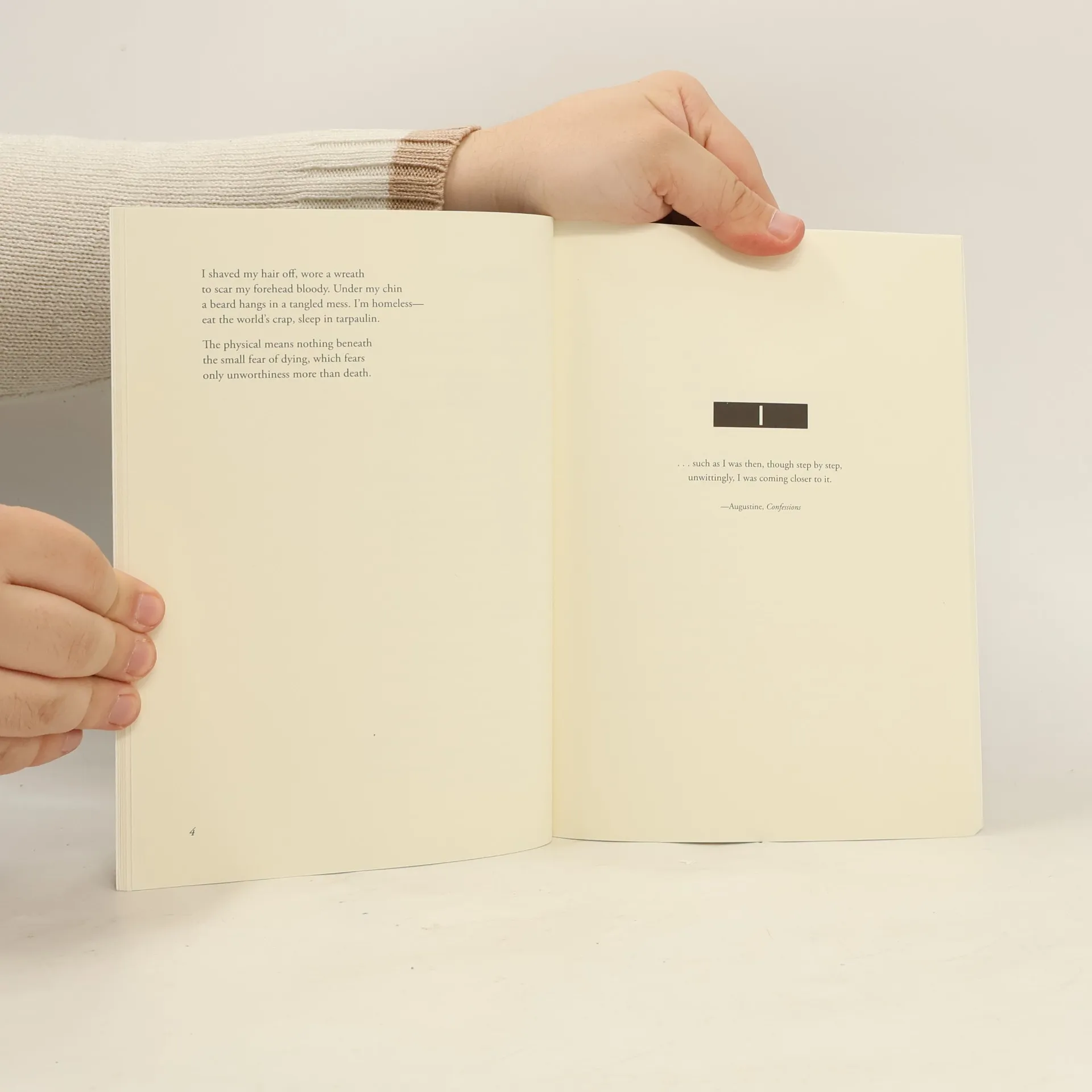
The “Garbage Eater” of the title poem in Brett Foster’s provocative collection is a member of a religious sect (some would say cult) in the Bay Area who lives an ascetic life eating scraps from dumpsters. Just as this simple way of life exists within the most technologically advanced region in the world, Foster’s poems are likewise animated by the constant tension between material reality and an unabashed yearning for transcendence. The titles of Foster’s poems—“Like as a ship, that through the Ocean wyde,” “Meditation in an Olive Garden,” “Little Flowers of Dan Quisenberry” —nod to the poems of the classical, medieval, and Renaissance masters he studies as a scholar. In Foster’s vivid imagination, however, they point to the surprises hidden in the a trip to the DMV, a visit to a chain restaurant, and the saintly reflections of the Kansas City Royals’ best closer. A lesser, more faddish writer would then tend toward ironic distance, but Foster fearlessly raises such unfashionable subjects as joy, doubt, gratitude, and grief without losing a sly sense of humor, even (as the sample poem shows) about poetry itself. Given its ambition, The Garbage Eater hardly seems a debut work. Foster’s universal subject matter and approachable style will win fans among both the most experienced poetry readers and those easily intimidated by contemporary verse.
Zakup książki
The Garbage Eater, Brett Foster
- Język

- Rok wydania
- 2011
- Oprawa
- (miękka),
- Stan książki
- Bardzo dobry
- Cena
- 21,33 zł
Metody płatności
Nikt jeszcze nie ocenił.
- Tytuł
- The Garbage Eater
- Podtytuł
- Poems
- Język
- angielski
- Autorzy
- Brett Foster
- Rok wydania
- 2011
- Oprawa
- miękka
- Liczba stron
- 74
- ISBN10
- 0810127458
- ISBN13
- 9780810127456
- Seria
- Opis
- The “Garbage Eater” of the title poem in Brett Foster’s provocative collection is a member of a religious sect (some would say cult) in the Bay Area who lives an ascetic life eating scraps from dumpsters. Just as this simple way of life exists within the most technologically advanced region in the world, Foster’s poems are likewise animated by the constant tension between material reality and an unabashed yearning for transcendence. The titles of Foster’s poems—“Like as a ship, that through the Ocean wyde,” “Meditation in an Olive Garden,” “Little Flowers of Dan Quisenberry” —nod to the poems of the classical, medieval, and Renaissance masters he studies as a scholar. In Foster’s vivid imagination, however, they point to the surprises hidden in the a trip to the DMV, a visit to a chain restaurant, and the saintly reflections of the Kansas City Royals’ best closer. A lesser, more faddish writer would then tend toward ironic distance, but Foster fearlessly raises such unfashionable subjects as joy, doubt, gratitude, and grief without losing a sly sense of humor, even (as the sample poem shows) about poetry itself. Given its ambition, The Garbage Eater hardly seems a debut work. Foster’s universal subject matter and approachable style will win fans among both the most experienced poetry readers and those easily intimidated by contemporary verse.