



Parametry
- 416 stron
- 15 godzin czytania
Więcej o książce
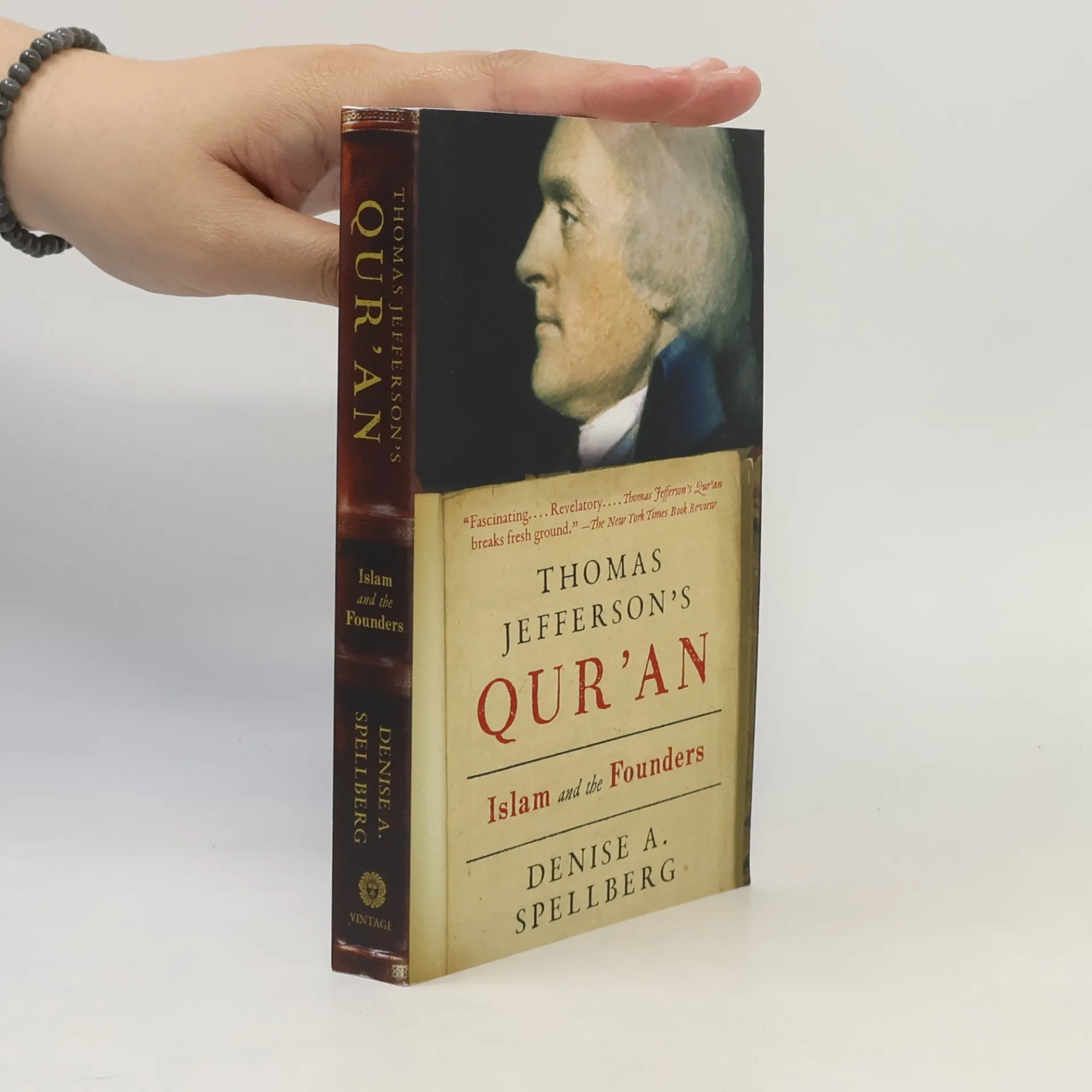
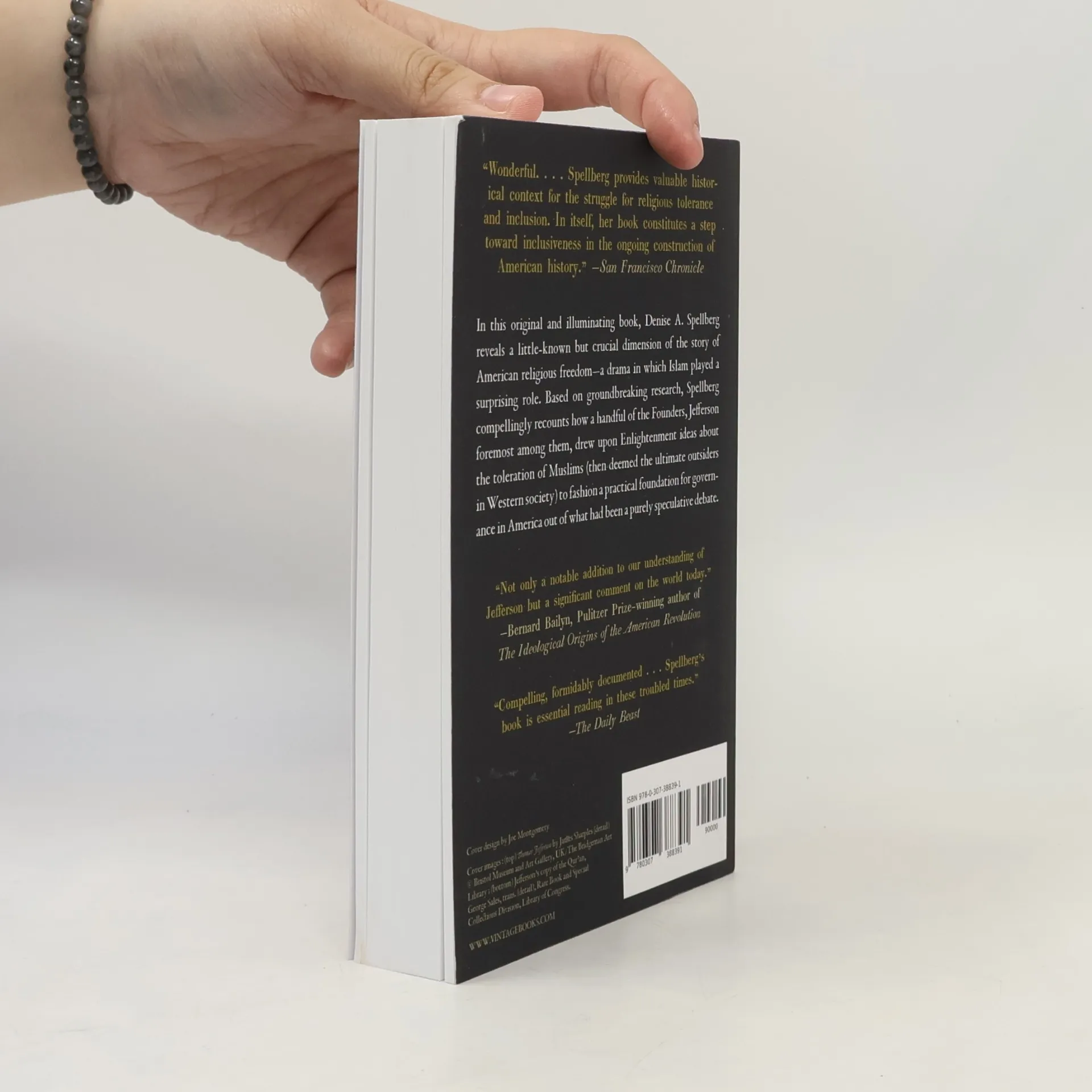
In this original and illuminating work, Denise A. Spellberg uncovers a crucial yet overlooked aspect of American religious freedom, highlighting the surprising role of Islam. In 1765, Thomas Jefferson purchased a Qur'an, marking the start of his enduring interest in Islam. He amassed numerous books on Middle Eastern languages and history, taking extensive notes on Islam's relation to English common law. Despite his personal disdain for the faith, common among his Protestant peers, Jefferson envisioned Muslims as potential citizens of the new nation by 1776. Spellberg's groundbreaking research reveals how a few Founding Fathers, particularly Jefferson, utilized Enlightenment ideas about tolerating Muslims—then seen as ultimate outsiders—to create a practical foundation for governance in America. Muslims, previously unknown in the colonies, became symbolic of a broader religious pluralism that would also include marginalized groups like Jews and Catholics. The contentious debate over Muslim inclusion, which led to Jefferson being vilified by his political opponents, ultimately influenced the Founders' decision against establishing a Protestant nation, paving the way for a more inclusive American identity.
Zakup książki
Thomas Jefferson's Qur'an, Denise A. Spellberg
- Język

- Rok wydania
- 2013
- Oprawa
- (miękka)
Metody płatności
Nikt jeszcze nie ocenił.
- Tytuł
- Thomas Jefferson's Qur'an
- Podtytuł
- Islam and the Founders
- Język
- angielski
- Autorzy
- Denise A. Spellberg
- Wydawca
- Random House USA Inc
- Rok wydania
- 2013
- Oprawa
- miękka
- Liczba stron
- 416
- ISBN10
- 0307388395
- ISBN13
- 9780307388391
- Seria
- Kategorie
- Tagi
- Tematy historyczne, Tematy religijne, Tematyka filozoficzna, Polityka, USA, Literatura amerykańska, Teorie polityczne, Historia USA, XVIII wiek, Sprawiedliwość społeczna, Historia religii, Geopolityka, Muzułmanie, Filozofia polityczna, Koran, Historia islamu, Islam i polityka
- Opis
- In this original and illuminating work, Denise A. Spellberg uncovers a crucial yet overlooked aspect of American religious freedom, highlighting the surprising role of Islam. In 1765, Thomas Jefferson purchased a Qur'an, marking the start of his enduring interest in Islam. He amassed numerous books on Middle Eastern languages and history, taking extensive notes on Islam's relation to English common law. Despite his personal disdain for the faith, common among his Protestant peers, Jefferson envisioned Muslims as potential citizens of the new nation by 1776. Spellberg's groundbreaking research reveals how a few Founding Fathers, particularly Jefferson, utilized Enlightenment ideas about tolerating Muslims—then seen as ultimate outsiders—to create a practical foundation for governance in America. Muslims, previously unknown in the colonies, became symbolic of a broader religious pluralism that would also include marginalized groups like Jews and Catholics. The contentious debate over Muslim inclusion, which led to Jefferson being vilified by his political opponents, ultimately influenced the Founders' decision against establishing a Protestant nation, paving the way for a more inclusive American identity.