


Więcej o książce
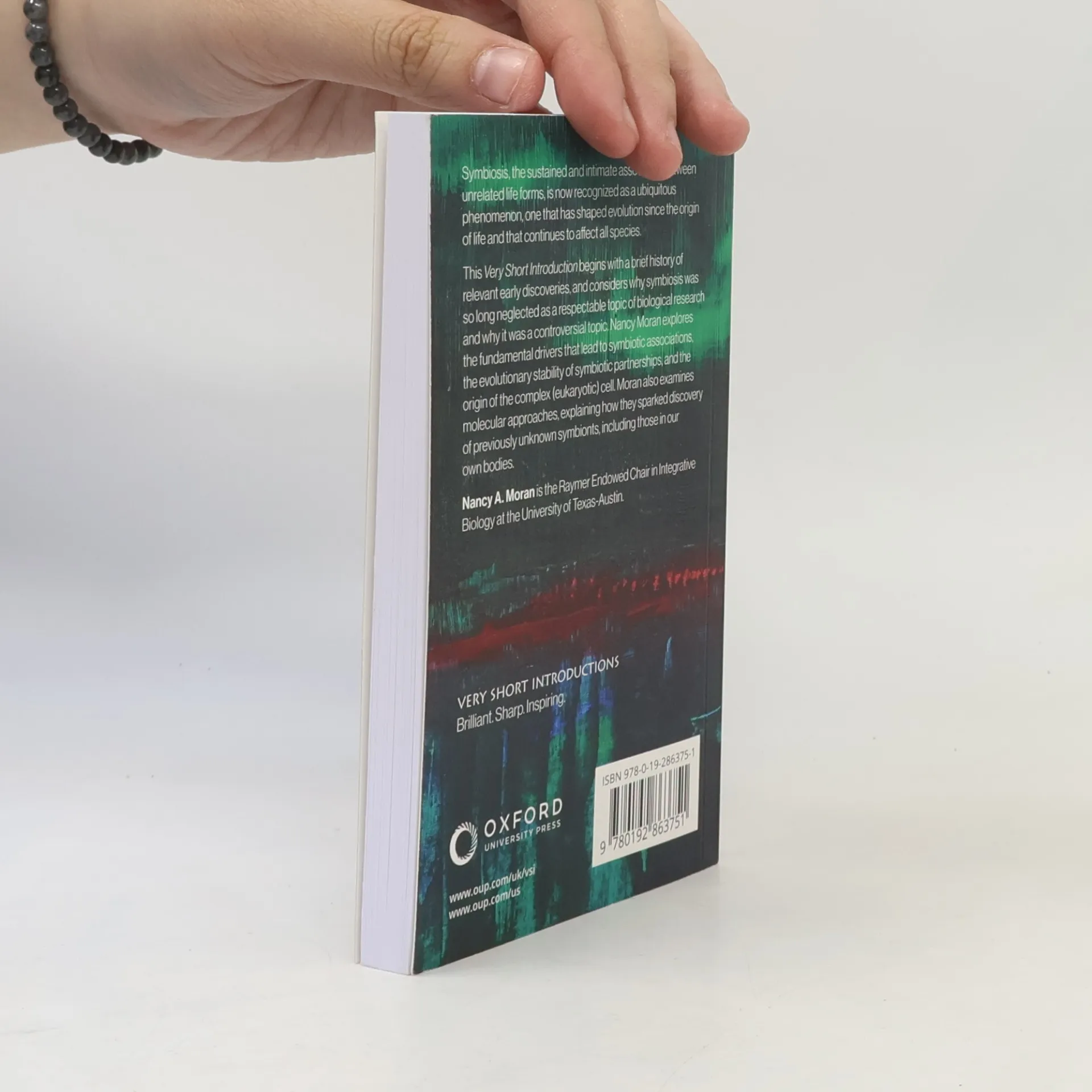
Symbiosis, the close and lasting relationships between unrelated life forms, is a crucial yet often overlooked aspect of biological research that has shaped evolution since life began. This overview traces the history of symbiosis, addressing its past neglect and the controversies surrounding it. Today, it is recognized as a fundamental force in ecological communities. One chapter examines the drivers behind symbiotic relationships, illustrated through examples like sap-feeding insects and marine flatworms, highlighting the services exchanged between partners. Another chapter discusses the evolutionary stability of these partnerships, which can be threatened by cheating. Significant symbiotic relationships that have profoundly influenced life on Earth are explored in depth, including the origin of complex cells and chloroplasts, root-fungus associations that allowed plants to colonize land, and coral-algal partnerships that led to coral reefs. The role of genomic DNA in symbiosis research is also discussed, revealing previously unknown symbionts, including those in the human body, and shedding light on the dynamics and ages of symbiont-host associations. The Very Short Introductions series from Oxford University Press offers concise, engaging insights into numerous subjects, making complex topics accessible and enjoyable.
Zakup książki
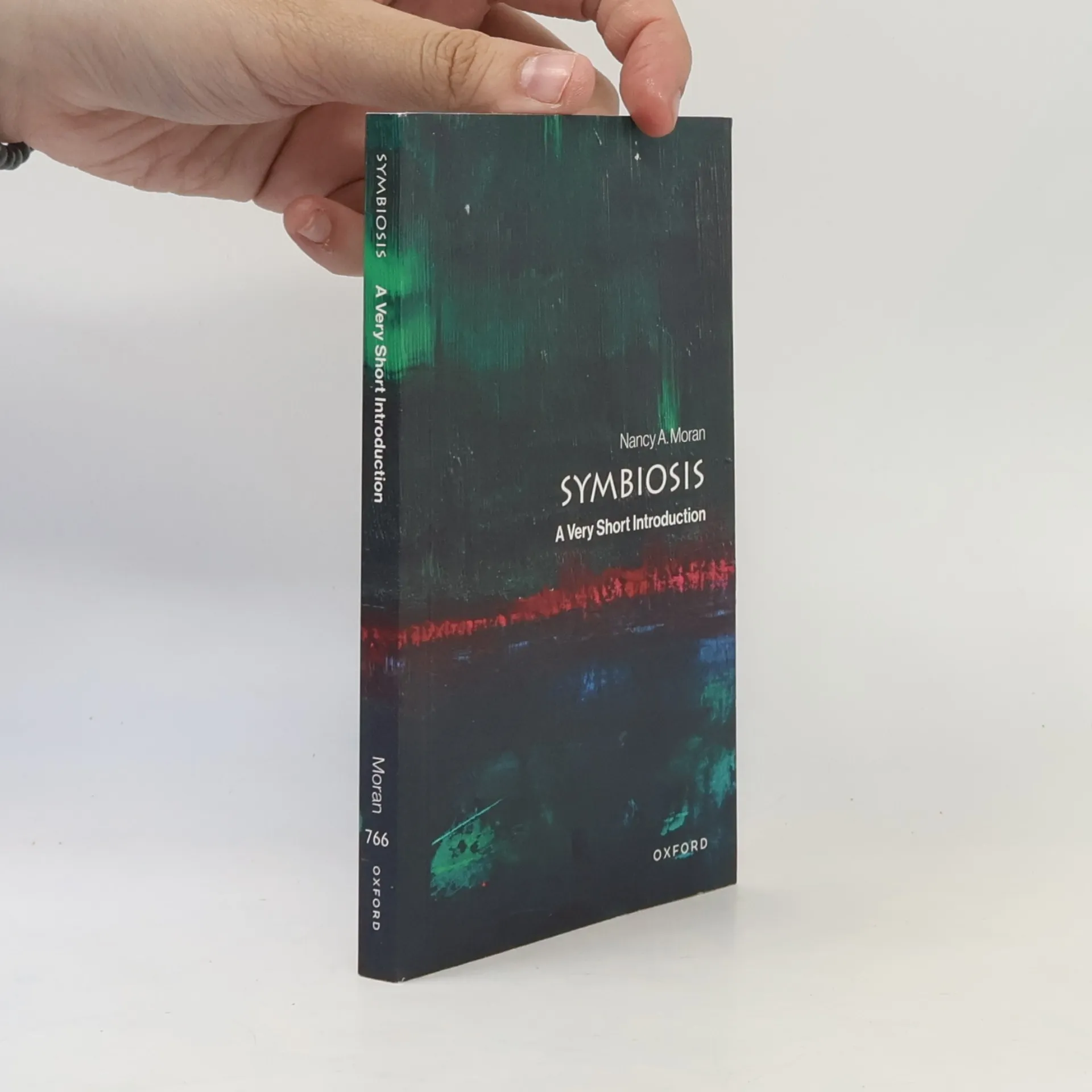
Very Short Introductions - 766: Symbiosis, Nancy A. Moran
- Język

- Rok wydania
- 2025
- Oprawa
- (miękka)
Metody płatności
Nikt jeszcze nie ocenił.
- Tytuł
- Very Short Introductions - 766: Symbiosis
- Podtytuł
- A Very Short Introduction
- Język
- angielski
- Autorzy
- Nancy A. Moran
- Wydawca
- Oxford University Press
- Rok wydania
- 2025
- Oprawa
- miękka
- Liczba stron
- 192
- ISBN10
- 0192863754
- ISBN13
- 9780192863751
- Seria
- Opis
- Symbiosis, the close and lasting relationships between unrelated life forms, is a crucial yet often overlooked aspect of biological research that has shaped evolution since life began. This overview traces the history of symbiosis, addressing its past neglect and the controversies surrounding it. Today, it is recognized as a fundamental force in ecological communities. One chapter examines the drivers behind symbiotic relationships, illustrated through examples like sap-feeding insects and marine flatworms, highlighting the services exchanged between partners. Another chapter discusses the evolutionary stability of these partnerships, which can be threatened by cheating. Significant symbiotic relationships that have profoundly influenced life on Earth are explored in depth, including the origin of complex cells and chloroplasts, root-fungus associations that allowed plants to colonize land, and coral-algal partnerships that led to coral reefs. The role of genomic DNA in symbiosis research is also discussed, revealing previously unknown symbionts, including those in the human body, and shedding light on the dynamics and ages of symbiont-host associations. The Very Short Introductions series from Oxford University Press offers concise, engaging insights into numerous subjects, making complex topics accessible and enjoyable.