



Parametry
- 326 stron
- 12 godzin czytania
Więcej o książce
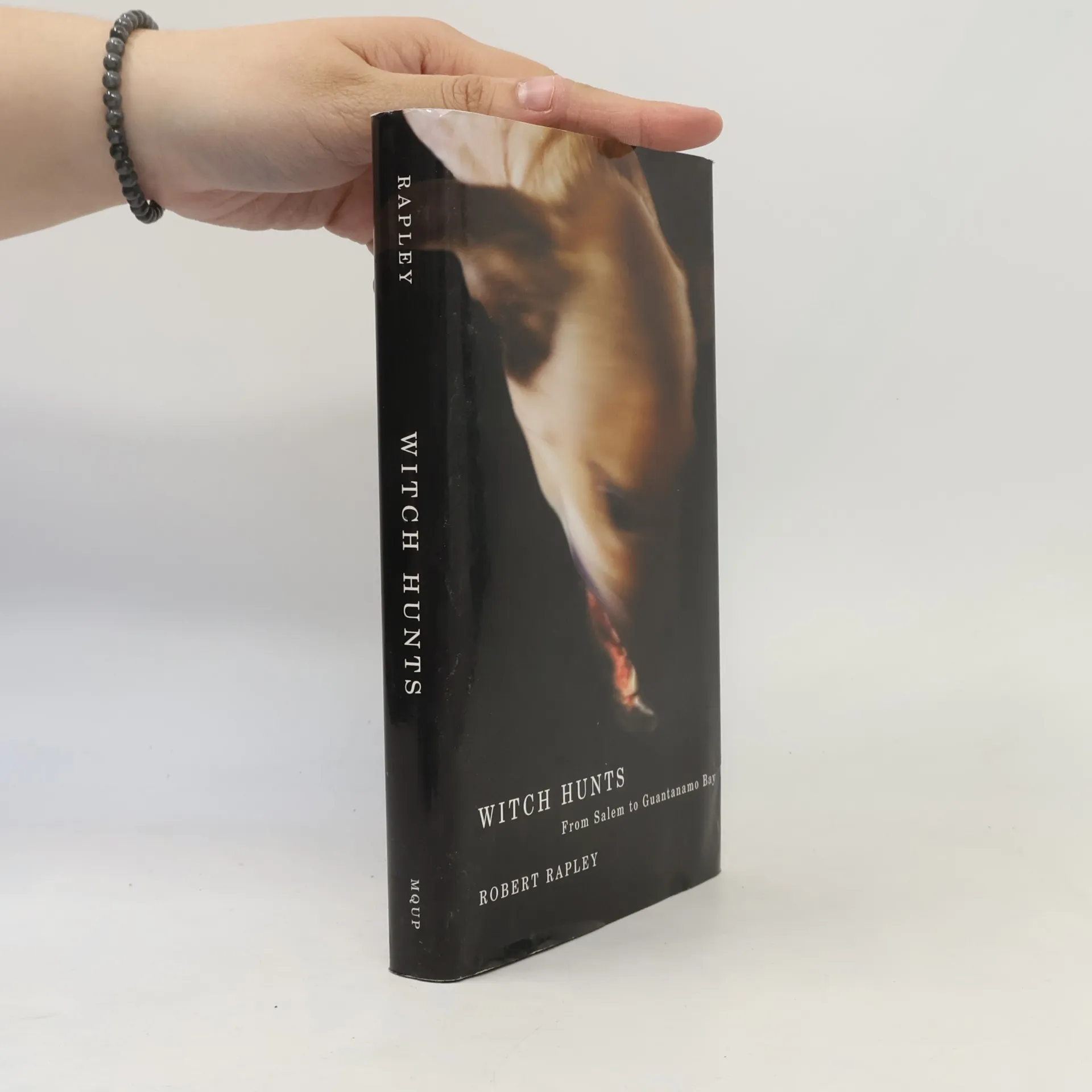
Witch hunts are the products of intense fear and paranoia and the results are often terrible. The accused in three famous witchcraft cases - in Bamberg and Wurzburg, Germany, in Loudun, France, and in Salem, Massachusetts - were assumed to be guilty without proof. Secret accusations were accepted, evidence was falsified, and extreme pressures, including torture, were used. Arguing that fear was, and still is, a prerequisite to any witch hunt, Robert Rapley shows that the current hunt for terrorists mirrors the witch crazes of the past. Rapley analyses witch hunts in the sixteenth and seventeenth centuries and finds many of the same elements repeated in more recent miscarriages of justice - from the Dreyfus case for treason in late nineteenth-century France, to the persecution of the Scottsboro Boys in Alabama for the gang rape of two white girls in the 1930s, to the Guildford and Maguire terrorist prosecutions in Britain in the 1970s. All three cases took place during times of extreme fear and paranoia and in all cases the accused were innocent.Today, argues Rapley, the "witch" lives on in the "terrorist." He cites as evidence Abu Ghraib and Guantanamo, the first prisons created for "witches" since Salem. In Witch Hunts he makes a compelling case that, in the wake of 9/11, witch hunts threaten today's America.
Zakup książki
Witch Hunts, Robert Rapley
- Język

- Rok wydania
- 2007
- Oprawa
- (twarda)
Metody płatności
Nikt jeszcze nie ocenił.
- Tytuł
- Witch Hunts
- Podtytuł
- From Salem to Guantanamo Bay
- Język
- angielski
- Autorzy
- Robert Rapley
- Rok wydania
- 2007
- Oprawa
- twarda
- Liczba stron
- 326
- ISBN10
- 0773531866
- ISBN13
- 9780773531864
- Seria
- Kategorie
- Tagi
- Tematy historyczne, Tematy religijne, USA, Czary & Magia, Teorie polityczne, Czarownice, Historia społeczna, Prawa człowieka, Wicca, Ameryka Północna, Case Studies, Kuba
- Opis
- Witch hunts are the products of intense fear and paranoia and the results are often terrible. The accused in three famous witchcraft cases - in Bamberg and Wurzburg, Germany, in Loudun, France, and in Salem, Massachusetts - were assumed to be guilty without proof. Secret accusations were accepted, evidence was falsified, and extreme pressures, including torture, were used. Arguing that fear was, and still is, a prerequisite to any witch hunt, Robert Rapley shows that the current hunt for terrorists mirrors the witch crazes of the past. Rapley analyses witch hunts in the sixteenth and seventeenth centuries and finds many of the same elements repeated in more recent miscarriages of justice - from the Dreyfus case for treason in late nineteenth-century France, to the persecution of the Scottsboro Boys in Alabama for the gang rape of two white girls in the 1930s, to the Guildford and Maguire terrorist prosecutions in Britain in the 1970s. All three cases took place during times of extreme fear and paranoia and in all cases the accused were innocent.Today, argues Rapley, the "witch" lives on in the "terrorist." He cites as evidence Abu Ghraib and Guantanamo, the first prisons created for "witches" since Salem. In Witch Hunts he makes a compelling case that, in the wake of 9/11, witch hunts threaten today's America.