



Parametry
- 252 strony
- 9 godzin czytania
Więcej o książce
This book presents a formal theory of supply by bureaus, offering a comprehensive analysis of their behavior within representative government. The author challenges the conventional belief that monopoly bureaus are optimal for the public sector and proposes that competitive bureaus and private firms can deliver services like mail, military operations, and education more efficiently than current government agencies. The theory posits that many bureaus are overly large, expand too quickly, utilize excessive capital, and exploit their sponsors. It elucidates the relationship between a bureau's output and budget in relation to demand and cost decisions, while comparing bureaus to other organizational forms under similar conditions. The text also explores the production and investment behaviors of various types of organizations, including nonprofit firms and mixed bureaus, and examines the impacts of competition between bureaus and competitive industries. Additionally, it introduces a straightforward theory of the market for public services funded through representative government and concludes with recommendations for enhancing the performance of bureaucratic and political institutions, drawing on both theoretical insights and the author's professional experience. This work is vital for social science professionals and students, potentially influencing reforms in government institutions.
Zakup książki
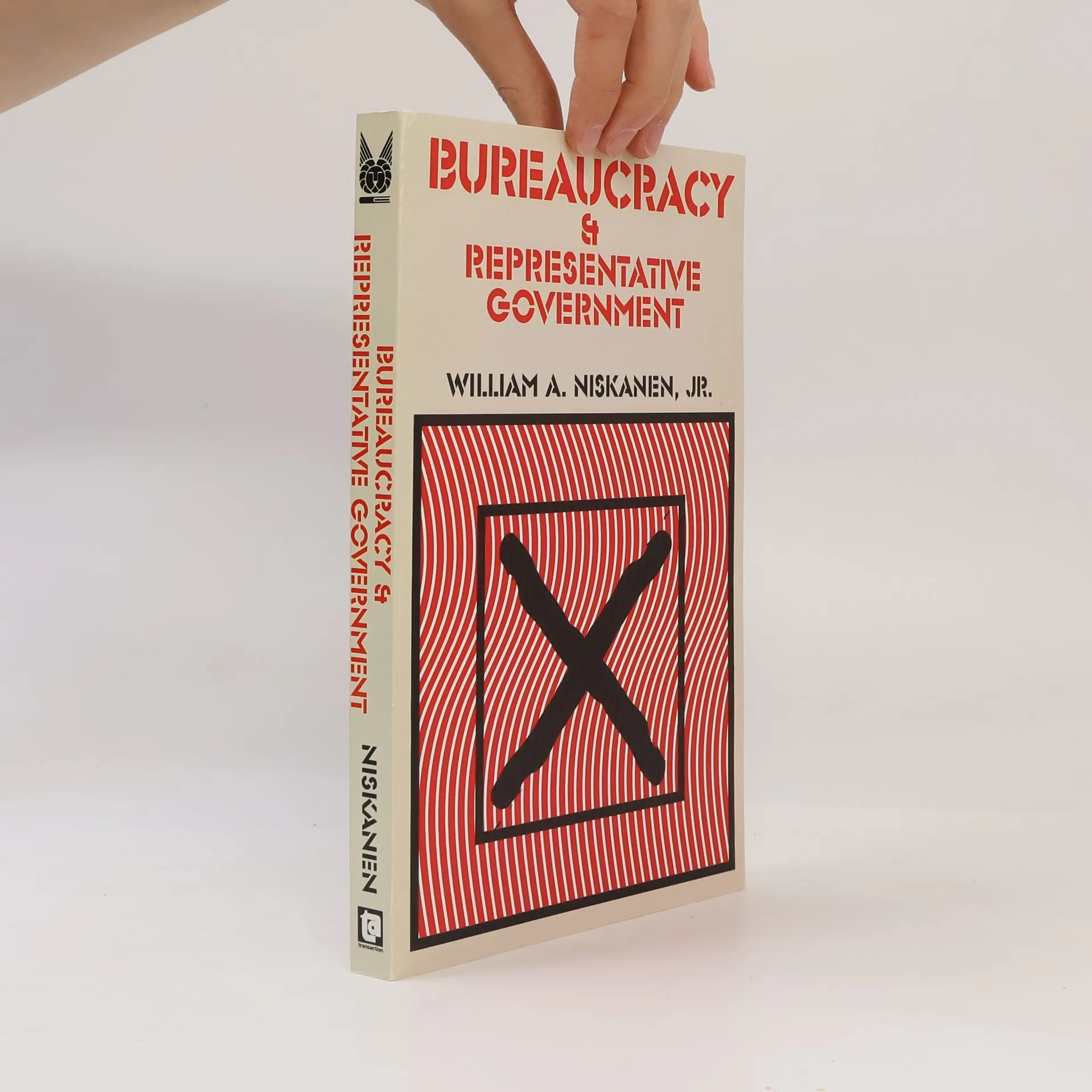
Bureaucracy and Representative Government, William A. Niskanen, Jr.
- Język

- Rok wydania
- 2007
- Oprawa
- (miękka),
- Stan książki
- Bardzo dobry
- Cena
- 49,74 zł
Metody płatności
Nikt jeszcze nie ocenił.
- Tytuł
- Bureaucracy and Representative Government
- Język
- angielski
- Autorzy
- William A. Niskanen, Jr.
- Wydawca
- Routledge
- Rok wydania
- 2007
- Oprawa
- miękka
- Liczba stron
- 252
- ISBN10
- 0202309592
- ISBN13
- 9780202309590
- Seria
- Opis
- This book presents a formal theory of supply by bureaus, offering a comprehensive analysis of their behavior within representative government. The author challenges the conventional belief that monopoly bureaus are optimal for the public sector and proposes that competitive bureaus and private firms can deliver services like mail, military operations, and education more efficiently than current government agencies. The theory posits that many bureaus are overly large, expand too quickly, utilize excessive capital, and exploit their sponsors. It elucidates the relationship between a bureau's output and budget in relation to demand and cost decisions, while comparing bureaus to other organizational forms under similar conditions. The text also explores the production and investment behaviors of various types of organizations, including nonprofit firms and mixed bureaus, and examines the impacts of competition between bureaus and competitive industries. Additionally, it introduces a straightforward theory of the market for public services funded through representative government and concludes with recommendations for enhancing the performance of bureaucratic and political institutions, drawing on both theoretical insights and the author's professional experience. This work is vital for social science professionals and students, potentially influencing reforms in government institutions.