

Więcej o książce
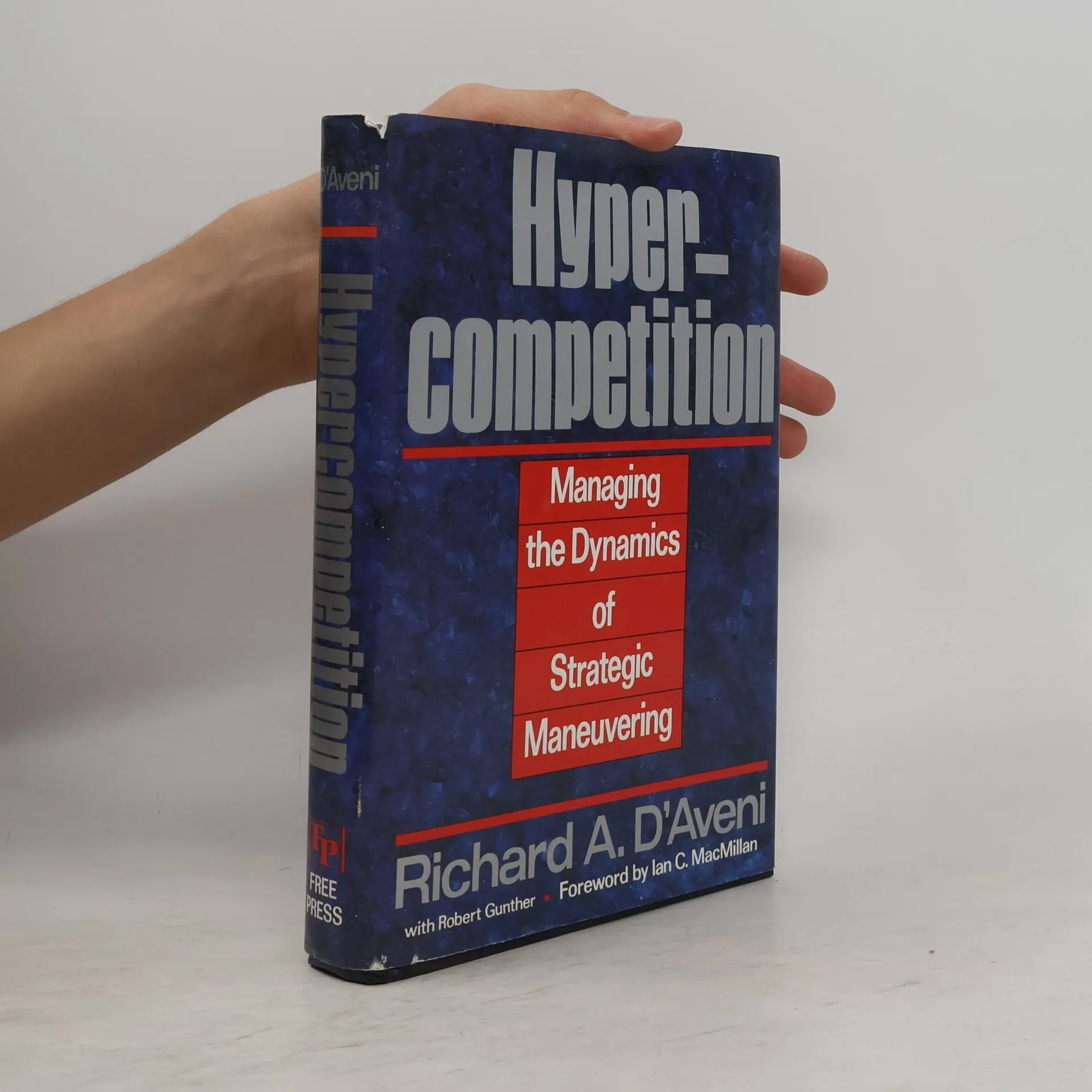
General Motors and IBM have faced significant challenges, with Jack Welch describing the 1980s as a "white knuckle decade" and predicting even greater competition in the 1990s. In this groundbreaking work on "hypercompetition," Richard D'Aveni illustrates how today's competitive landscape demands a fundamental shift in strategic focus. He presents an operational model that reveals how companies ascend "escalation ladders," where advantages are continuously created, eroded, and recreated through strategic moves across four competitive arenas: "price and quality," "timing and know-how," "stronghold creation/invasion," and "deep pockets." D'Aveni supports his analysis with numerous examples from hypercompetitive sectors like computers, automobiles, and pharmaceuticals, showing how successful firms disrupt the status quo and maintain a cycle of temporary advantages. He introduces the "New 7-S's" strategies—Superior Stakeholder Satisfaction, Strategic Soothsaying, Speed, Surprise, Shifting the Rules of Competition, Signaling Strategic Intent, and Simultaneous and Sequential Thrusts. His findings suggest that firms must often dismantle their own advantages to establish new ones, emphasizing the need for dynamic strategies over static long-term plans. D'Aveni warns that American antitrust laws may hinder competitiveness, making this essential reading for managers, planners, and students navigating hypercompetitive industries.
Zakup książki
Hypercompetition, Richard A. D'Aveni, Robert Günther, Ian C. MacMillan
- Język

- Rok wydania
- 1994
- Oprawa
- (miękka)
Metody płatności
Nikt jeszcze nie ocenił.
- Tytuł
- Hypercompetition
- Podtytuł
- Managing the Dynamics of Strategic Maneuvering
- Język
- angielski
- Wydawca
- Free Press
- Rok wydania
- 1994
- Oprawa
- miękka
- Liczba stron
- 444
- ISBN10
- 0029069386
- ISBN13
- 9780029069387
- Seria
- Tagi
- Biznes, Przywództwo, Strategia
- Opis
- General Motors and IBM have faced significant challenges, with Jack Welch describing the 1980s as a "white knuckle decade" and predicting even greater competition in the 1990s. In this groundbreaking work on "hypercompetition," Richard D'Aveni illustrates how today's competitive landscape demands a fundamental shift in strategic focus. He presents an operational model that reveals how companies ascend "escalation ladders," where advantages are continuously created, eroded, and recreated through strategic moves across four competitive arenas: "price and quality," "timing and know-how," "stronghold creation/invasion," and "deep pockets." D'Aveni supports his analysis with numerous examples from hypercompetitive sectors like computers, automobiles, and pharmaceuticals, showing how successful firms disrupt the status quo and maintain a cycle of temporary advantages. He introduces the "New 7-S's" strategies—Superior Stakeholder Satisfaction, Strategic Soothsaying, Speed, Surprise, Shifting the Rules of Competition, Signaling Strategic Intent, and Simultaneous and Sequential Thrusts. His findings suggest that firms must often dismantle their own advantages to establish new ones, emphasizing the need for dynamic strategies over static long-term plans. D'Aveni warns that American antitrust laws may hinder competitiveness, making this essential reading for managers, planners, and students navigating hypercompetitive industries.