



Więcej o książce
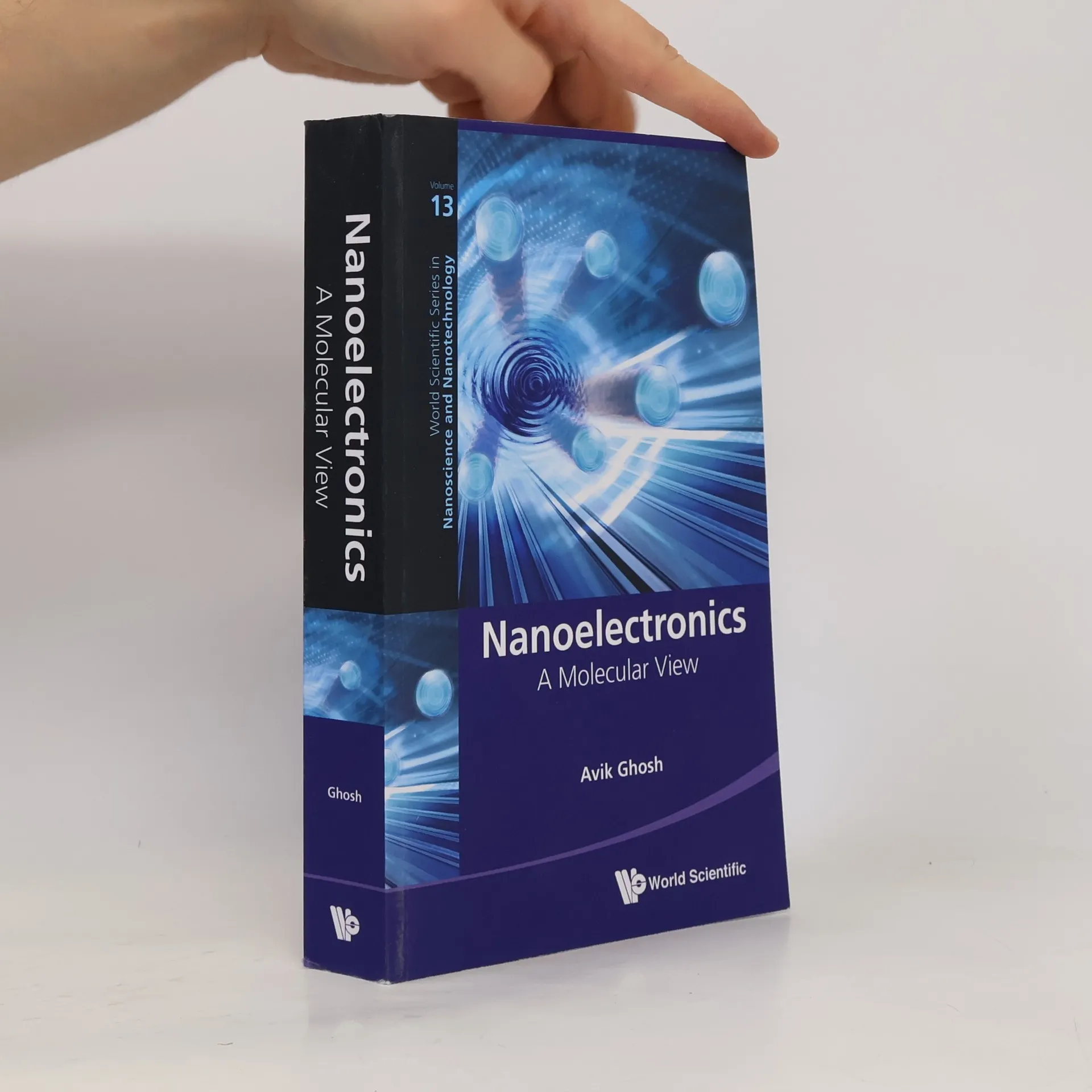
This book is aimed at senior undergraduates, graduate students and researchers interested in quantitative understanding and modeling of nanomaterial and device physics. With the rapid slow-down of semiconductor scaling that drove information technology for decades, there is a pressing need to understand and model electron flow at its fundamental molecular limits. The purpose of this book is to enable such a deconstruction needed to design the next generation memory, logic, sensor and communication elements. Through numerous case studies and topical examples relating to emerging technology, this book connects 'top down' classical device physics taught in electrical engineering classes with 'bottom up' quantum and many-body transport physics taught in physics and chemistry. The book assumes no more than a nodding acquaintance with quantum mechanics, in addition to knowledge of freshman level mathematics. Segments of this book are useful as a textbook for a course in nano-electronics.
Zakup książki
World Scientific Series in Nanoscience and Nanotechnology - 13: Nanoelectronics, Avik Ghosh
- Język

- Rok wydania
- 2016
- Oprawa
- (miękka),
- Stan książki
- Dobry
- Cena
- 40,83 zł
Metody płatności
Nikt jeszcze nie ocenił.
- Tytuł
- World Scientific Series in Nanoscience and Nanotechnology - 13: Nanoelectronics
- Podtytuł
- A Molecular View
- Język
- angielski
- Autorzy
- Avik Ghosh
- Rok wydania
- 2016
- Oprawa
- miękka
- Liczba stron
- 524
- ISBN10
- 9813146222
- ISBN13
- 9789813146228
- Seria
- Kategorie
- Opis
- This book is aimed at senior undergraduates, graduate students and researchers interested in quantitative understanding and modeling of nanomaterial and device physics. With the rapid slow-down of semiconductor scaling that drove information technology for decades, there is a pressing need to understand and model electron flow at its fundamental molecular limits. The purpose of this book is to enable such a deconstruction needed to design the next generation memory, logic, sensor and communication elements. Through numerous case studies and topical examples relating to emerging technology, this book connects 'top down' classical device physics taught in electrical engineering classes with 'bottom up' quantum and many-body transport physics taught in physics and chemistry. The book assumes no more than a nodding acquaintance with quantum mechanics, in addition to knowledge of freshman level mathematics. Segments of this book are useful as a textbook for a course in nano-electronics.