

Więcej o książce
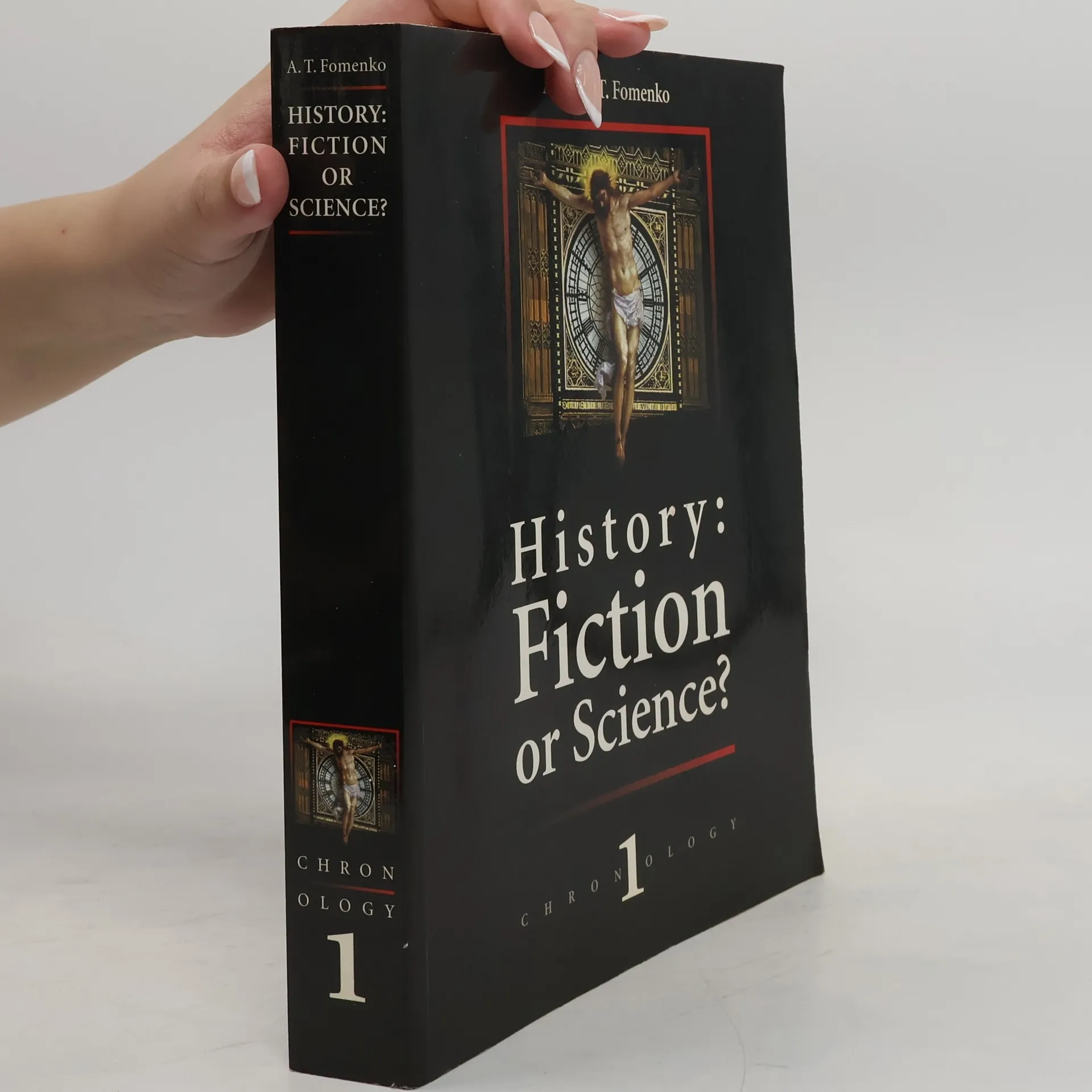
Jesus Christ was born in 1153 AD and crucified in 1186 AD. Unbelievable? Not since the release of the first volume in seven of "History: Fiction or Science?" series. This series crowns 30 years of research by Anatoly Fomenko and his colleagues. In Chapter I readers are reminded of when the contemporary chronological scale was created, who created it, and that it had major critics. The Biblical Jerusalem is identified with the mediaeval Constantinople. The New Testament was written before the Old, both exposed as referring to mediaeval events. Chapters II, III and IV contain abundant astronomical proof from the ancient Egyptian zodiacs, Ptolemy's Almagest, and the Apocalypse, demonstrating that all datings of 'ancient' eclipses are either medieval or fake. Chapters V and VI contain in-depth descriptions of the research methods used. In chapter VII readers learn more about confusion of the Antiquity and the Middle Ages. The appendices contain factual information to appease skeptics.
Zakup książki
Chronology - 1: History, Anatoly T Fomenko, Polina Zinoviev
- Język

- Rok wydania
- 2006
- Oprawa
- (miękka)
Metody płatności
Nikt jeszcze nie ocenił.
- Tytuł
- Chronology - 1: History
- Podtytuł
- Fiction or Science?
- Język
- angielski
- Autorzy
- Anatoly T Fomenko, Polina Zinoviev
- Wydawca
- Mithec
- Rok wydania
- 2006
- Oprawa
- miękka
- Liczba stron
- 624
- ISBN10
- 2913621074
- ISBN13
- 9782913621077
- Seria
- Kategorie
- Opis
- Jesus Christ was born in 1153 AD and crucified in 1186 AD. Unbelievable? Not since the release of the first volume in seven of "History: Fiction or Science?" series. This series crowns 30 years of research by Anatoly Fomenko and his colleagues. In Chapter I readers are reminded of when the contemporary chronological scale was created, who created it, and that it had major critics. The Biblical Jerusalem is identified with the mediaeval Constantinople. The New Testament was written before the Old, both exposed as referring to mediaeval events. Chapters II, III and IV contain abundant astronomical proof from the ancient Egyptian zodiacs, Ptolemy's Almagest, and the Apocalypse, demonstrating that all datings of 'ancient' eclipses are either medieval or fake. Chapters V and VI contain in-depth descriptions of the research methods used. In chapter VII readers learn more about confusion of the Antiquity and the Middle Ages. The appendices contain factual information to appease skeptics.