

Więcej o książce
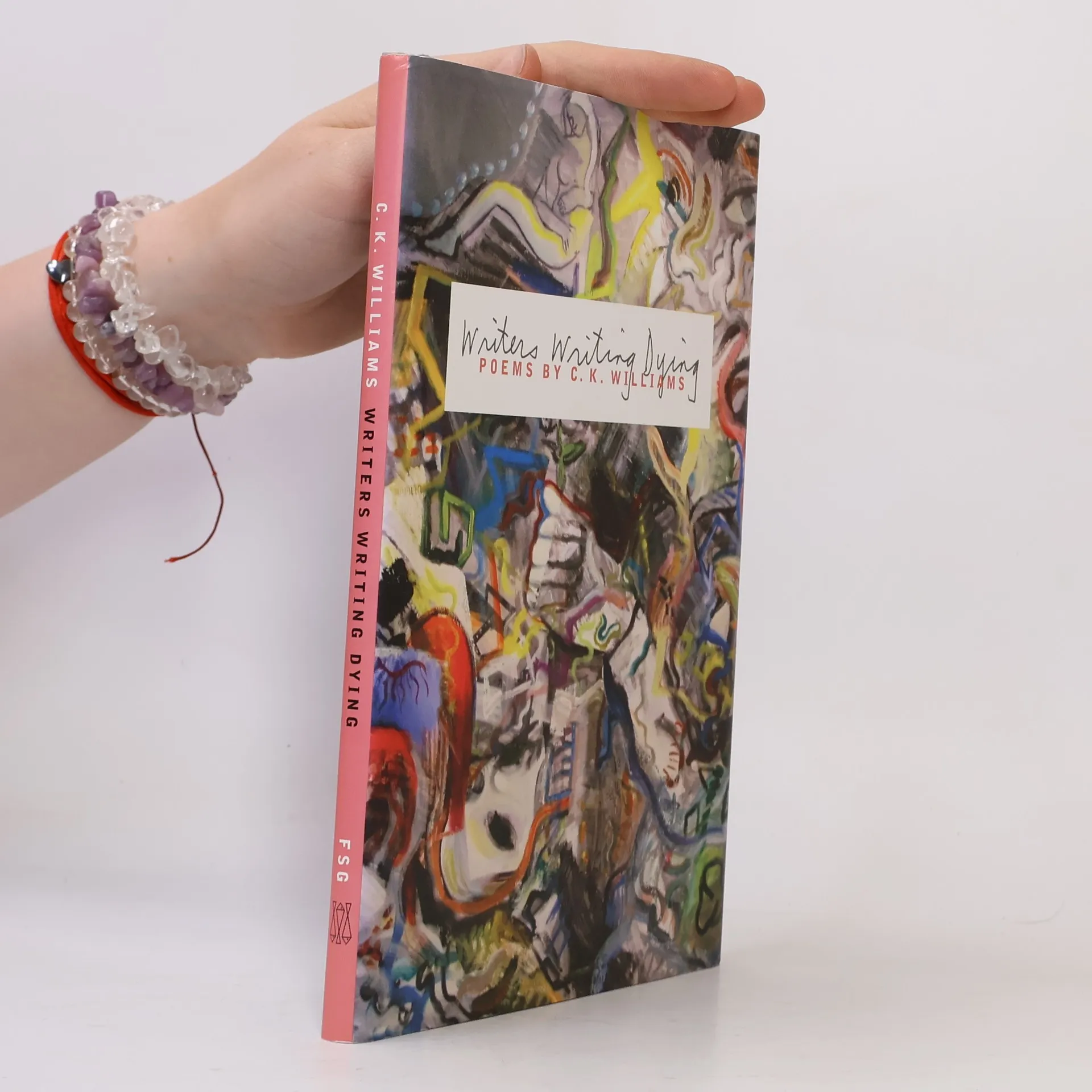
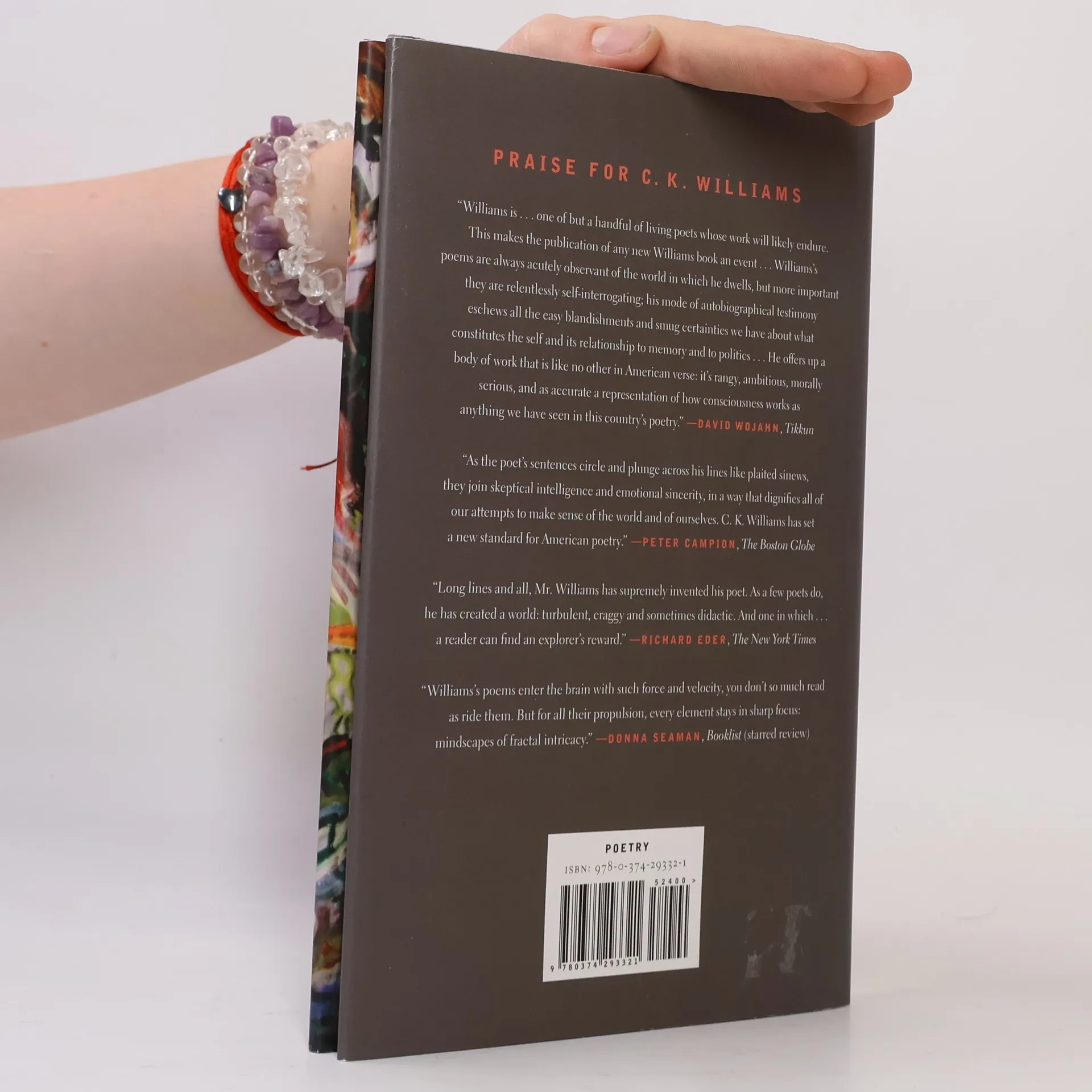
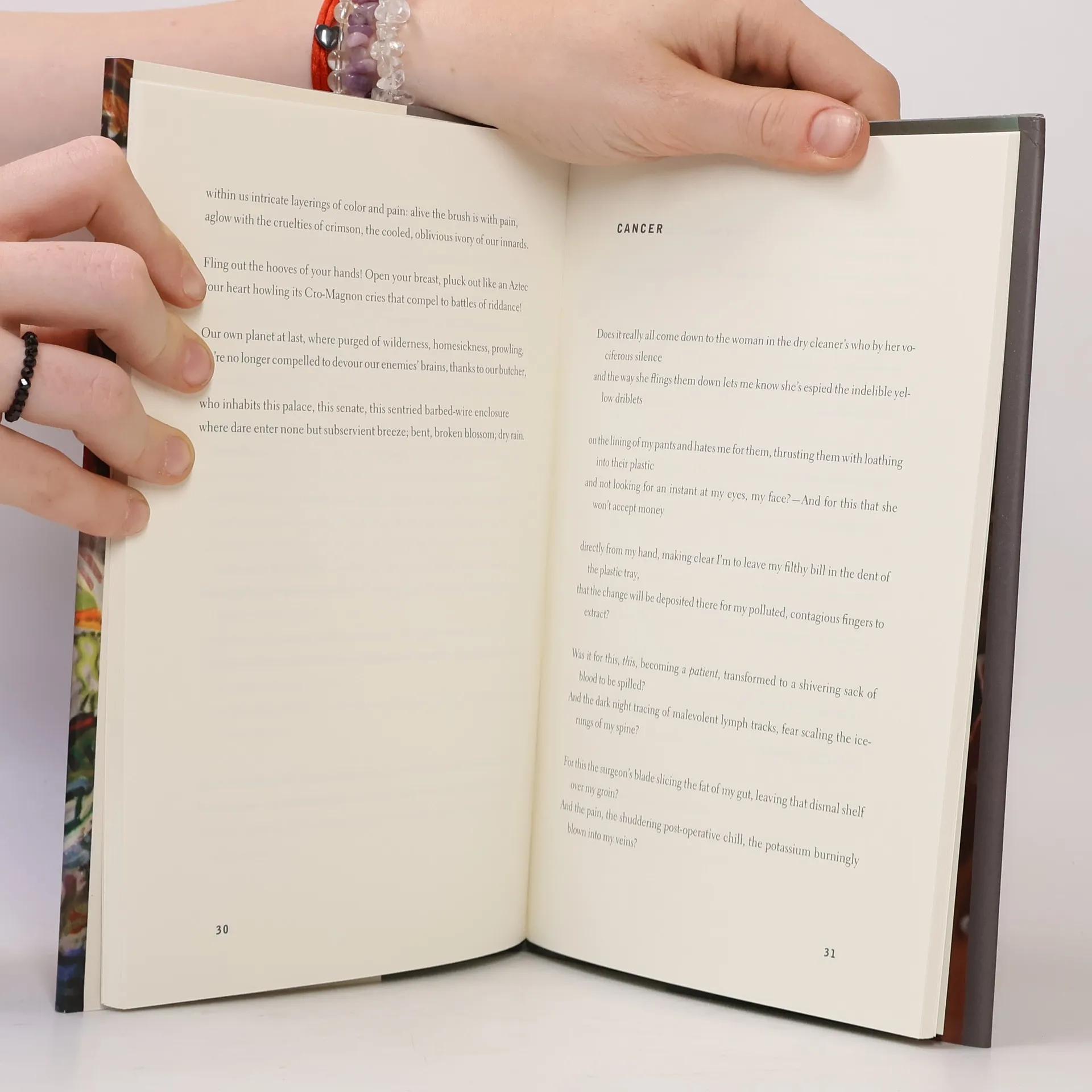
Since his first poetry collection, Lies , C. K. Williams has nurtured an incomparable reputation—as a deeply political poet, a writer of profound emotion, and a teller of great stories. In Writers Writing Dying , he retains the essential parts of his poetic identity—his candor, the drama of his verses, the social conscience of his themes—while slyly reinventing himself, re-casting his voice, and in many poems examining the personal—sexual desire, the hubris of youth, the looming specter of death—more bluntly and bravely than ever. In “Prose,” he confronts his nineteen year-old self, who despairs of writing poetry, with the question “How could anyone know this little?” In a poem of meditation, “The Day Continues Lovely,” he radically expands the scale of his attention: “Meanwhile cosmos roars on with so many voices we can’t hear ourselves think. Galaxy on. Galaxy off. Universe on, but another just behind this one . . . ” Even the poet’s own purpose is questioned; in “Draft 23” he asks, “Between scribble and slash—are we trying to change the world by changing the words?” With this wildly vibrant collection—by turns funny, moving, and surprising—Williams proves once again that, he has, in Michael Hofmann’s words, “as much scope and truthfulness as any American poet since Lowell and Berryman.”
Zakup książki
Writers Writing Dying, C. K. Williams
- Język

- Rok wydania
- 2012
- Oprawa
- (twarda)
Metody płatności
Nikt jeszcze nie ocenił.
- Tytuł
- Writers Writing Dying
- Podtytuł
- Poems
- Język
- angielski
- Autorzy
- C. K. Williams
- Wydawca
- Farrar, Straus and Giroux
- Rok wydania
- 2012
- Oprawa
- twarda
- Liczba stron
- 80
- ISBN10
- 0374293325
- ISBN13
- 9780374293321
- Seria
- Opis
- Since his first poetry collection, Lies , C. K. Williams has nurtured an incomparable reputation—as a deeply political poet, a writer of profound emotion, and a teller of great stories. In Writers Writing Dying , he retains the essential parts of his poetic identity—his candor, the drama of his verses, the social conscience of his themes—while slyly reinventing himself, re-casting his voice, and in many poems examining the personal—sexual desire, the hubris of youth, the looming specter of death—more bluntly and bravely than ever. In “Prose,” he confronts his nineteen year-old self, who despairs of writing poetry, with the question “How could anyone know this little?” In a poem of meditation, “The Day Continues Lovely,” he radically expands the scale of his attention: “Meanwhile cosmos roars on with so many voices we can’t hear ourselves think. Galaxy on. Galaxy off. Universe on, but another just behind this one . . . ” Even the poet’s own purpose is questioned; in “Draft 23” he asks, “Between scribble and slash—are we trying to change the world by changing the words?” With this wildly vibrant collection—by turns funny, moving, and surprising—Williams proves once again that, he has, in Michael Hofmann’s words, “as much scope and truthfulness as any American poet since Lowell and Berryman.”