

Więcej o książce
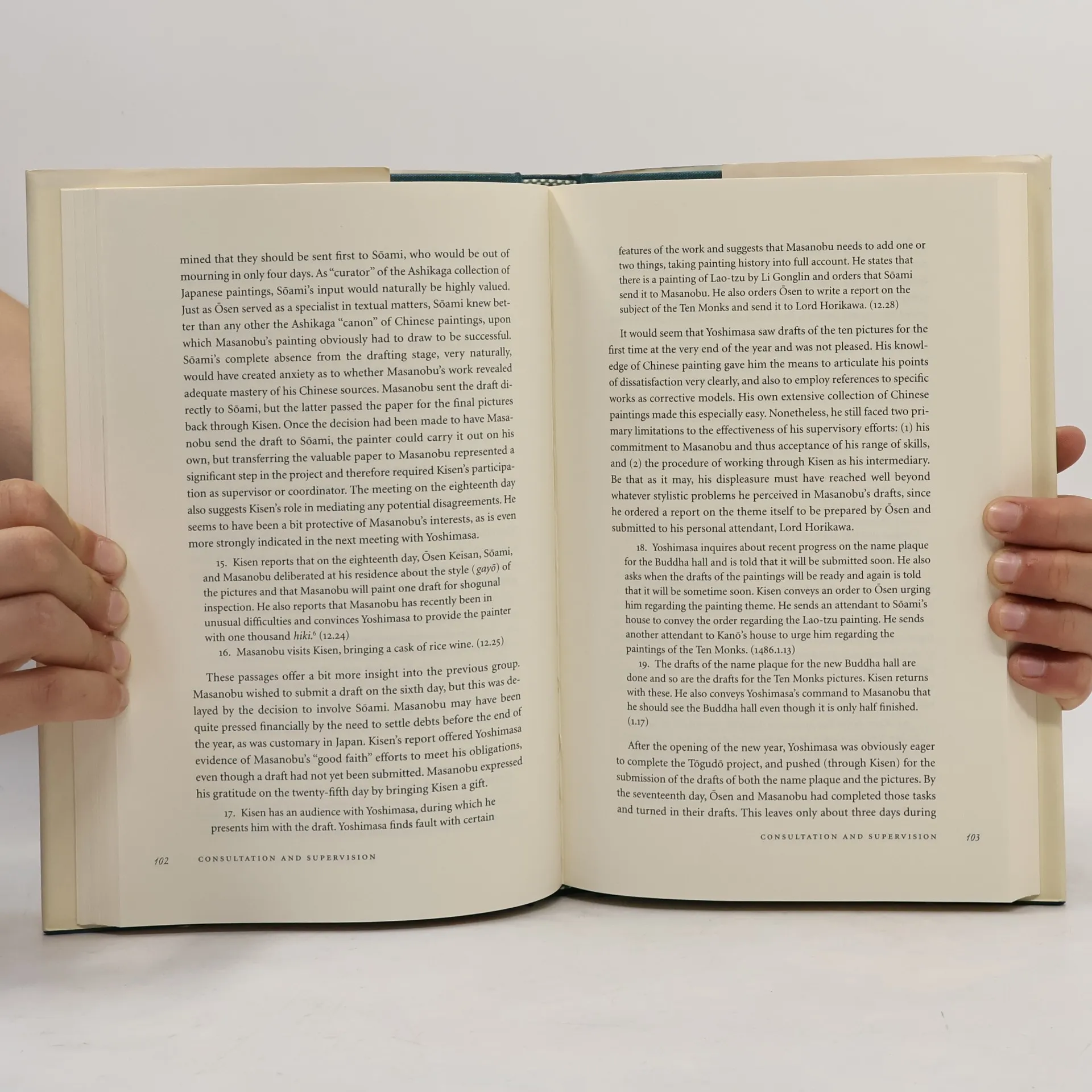
This book expands the study of Japanese art history by examining the conditions, events, and social dynamics involved in the production of paintings in late-fifteenth-century Japan. While primarily focused on art history, it incorporates insights from sociology and social history. Central to the work is a fresh analysis of major primary documents from the period, aiming to challenge long-held assumptions in the historiography of late medieval Japanese painting. The early chapters outline the documents, methods, and contexts of painting, leading to a key exploration of painting as a social practice. The production of art during this time was deeply social, influenced by the circumstances of artists and their collaborators. Painters, advisors, and clients were motivated by various factors, including the pursuit of wealth and prestige, fulfilling obligations, and adhering to customs. The surviving documents reveal the involvement of these individuals in significant institutions, such as the imperial court and local lords. The author acknowledges the evolving patterns of expectation at these sites, emphasizing their responsiveness to changing conditions. Although focused on the late fifteenth century, this study provides a framework for future research on Japanese painting practices across different eras through close documentary analysis.
Zakup książki
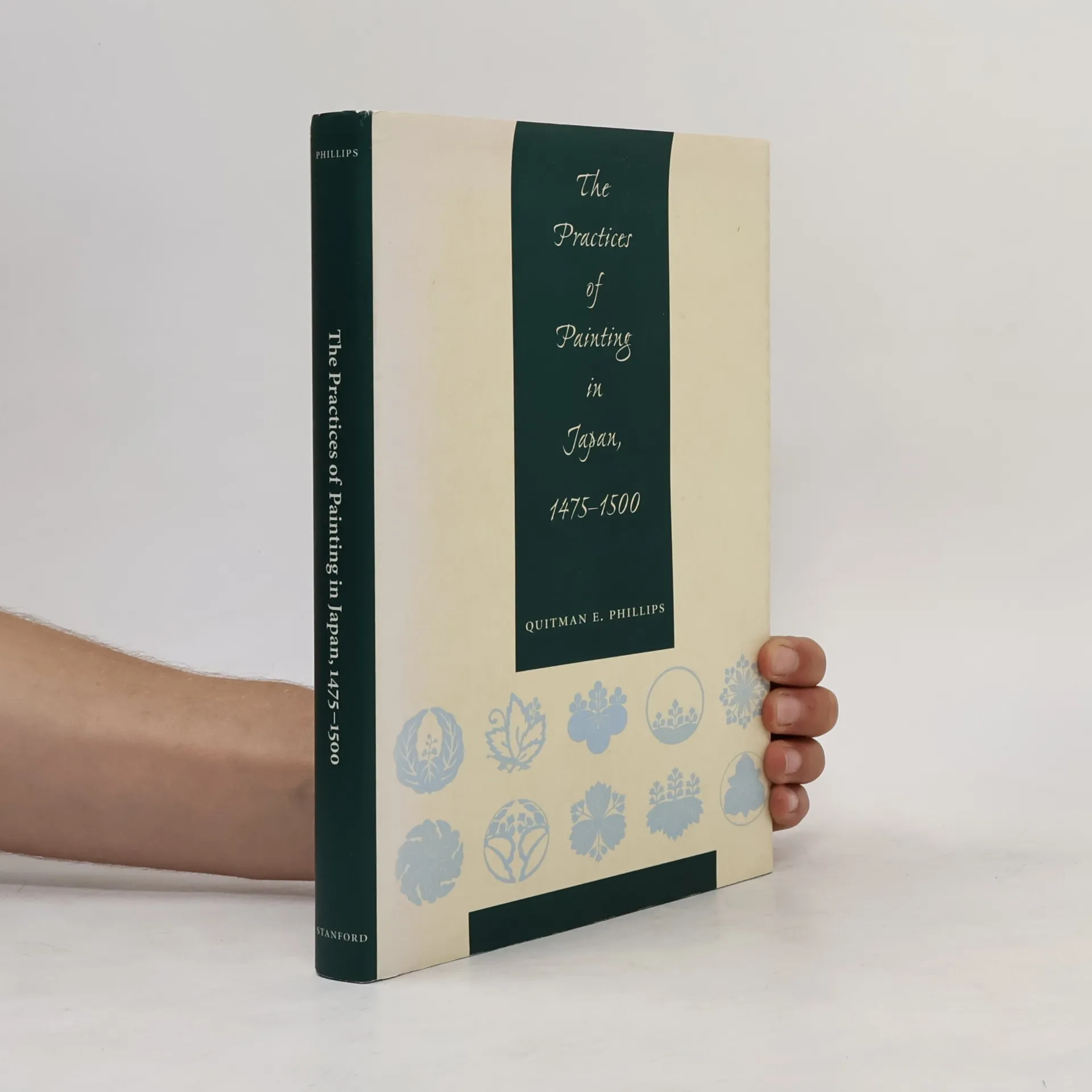
The Practices of Painting in Japan, 1475-1500, Quitman Eugene Phillips
- Język

- Rok wydania
- 2000
- Oprawa
- (twarda),
- Stan książki
- Dobry
- Cena
- 60,80 zł
Metody płatności
Nikt jeszcze nie ocenił.
- Tytuł
- The Practices of Painting in Japan, 1475-1500
- Język
- angielski
- Autorzy
- Quitman Eugene Phillips
- Wydawca
- Stanford University Press
- Rok wydania
- 2000
- Oprawa
- twarda
- Liczba stron
- 267
- ISBN10
- 0804734461
- ISBN13
- 9780804734462
- Seria
- Opis
- This book expands the study of Japanese art history by examining the conditions, events, and social dynamics involved in the production of paintings in late-fifteenth-century Japan. While primarily focused on art history, it incorporates insights from sociology and social history. Central to the work is a fresh analysis of major primary documents from the period, aiming to challenge long-held assumptions in the historiography of late medieval Japanese painting. The early chapters outline the documents, methods, and contexts of painting, leading to a key exploration of painting as a social practice. The production of art during this time was deeply social, influenced by the circumstances of artists and their collaborators. Painters, advisors, and clients were motivated by various factors, including the pursuit of wealth and prestige, fulfilling obligations, and adhering to customs. The surviving documents reveal the involvement of these individuals in significant institutions, such as the imperial court and local lords. The author acknowledges the evolving patterns of expectation at these sites, emphasizing their responsiveness to changing conditions. Although focused on the late fifteenth century, this study provides a framework for future research on Japanese painting practices across different eras through close documentary analysis.