



Parametry
- 356 stron
- 13 godzin czytania
Więcej o książce
Globalization is rapidly transforming the world, intensifying international economic, political, and social connections. The liberalization of trade and finance, driven by advancements in information technology, has spurred significant global economic growth. However, this process is also altering production relations, challenging the traditional roles of nation-states, and raising concerns about sustainable growth, development, and the environment. Despite participation from both developed and developing countries, nearly ninety nations are economically worse off than a decade ago, contributing to "global polarization" between the wealthy and the impoverished. The United Nations' Human Development Report, 1996, highlights that the income gap between industrialized and developing nations has more than tripled over the past thirty years. Furthermore, many countries experiencing the benefits of globalization have seen increases in inequality and poverty. This inequity has prompted the United Nations to declare 1996 as the International Year for the Eradication of Poverty and designate 1997-2006 as the international decade for poverty eradication, emphasizing the need for "people-centered sustainable development."
Zakup książki
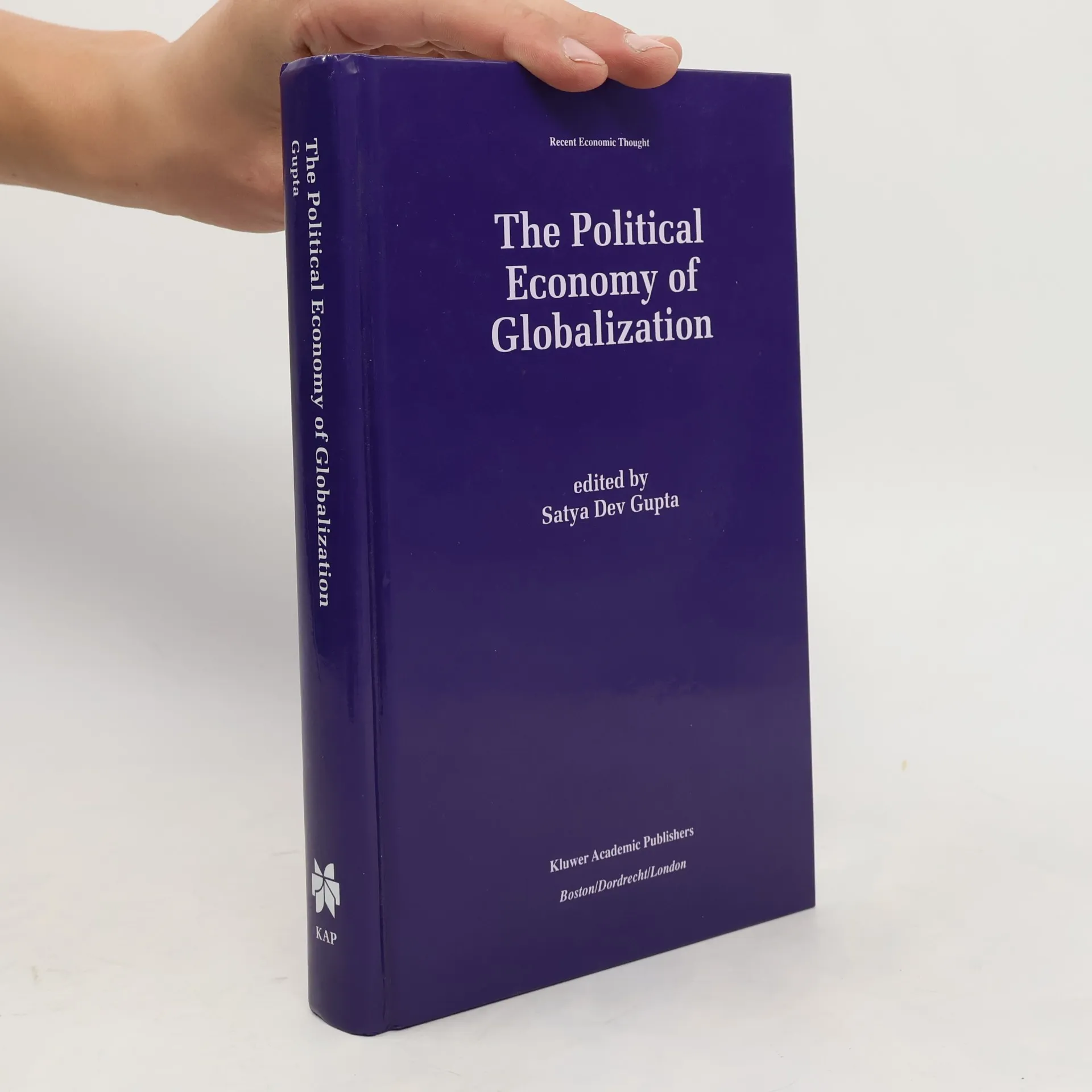
The Political Economy of Globalization, Satya Dev Gupta
- Język

- Rok wydania
- 1997
- Oprawa
- (twarda)
Metody płatności
Nikt jeszcze nie ocenił.
- Tytuł
- The Political Economy of Globalization
- Język
- angielski
- Autorzy
- Satya Dev Gupta
- Wydawca
- Springer
- Rok wydania
- 1997
- Oprawa
- twarda
- Liczba stron
- 356
- ISBN10
- 079239903X
- ISBN13
- 9780792399032
- Seria
- Kategorie
- Tagi
- Biznes, USA, Teorie polityczne, Stosunki międzynarodowe, Rozwój, Prawo cywilne, Globalizacja, Polityka Gospodarcza, Ekonomia polityczna, Aspekty społeczne, Międzynarodowe stosunki gospodarcze, Olej napędowy
- Opis
- Globalization is rapidly transforming the world, intensifying international economic, political, and social connections. The liberalization of trade and finance, driven by advancements in information technology, has spurred significant global economic growth. However, this process is also altering production relations, challenging the traditional roles of nation-states, and raising concerns about sustainable growth, development, and the environment. Despite participation from both developed and developing countries, nearly ninety nations are economically worse off than a decade ago, contributing to "global polarization" between the wealthy and the impoverished. The United Nations' Human Development Report, 1996, highlights that the income gap between industrialized and developing nations has more than tripled over the past thirty years. Furthermore, many countries experiencing the benefits of globalization have seen increases in inequality and poverty. This inequity has prompted the United Nations to declare 1996 as the International Year for the Eradication of Poverty and designate 1997-2006 as the international decade for poverty eradication, emphasizing the need for "people-centered sustainable development."