

Parametry
- 288 stron
- 11 godzin czytania
Więcej o książce
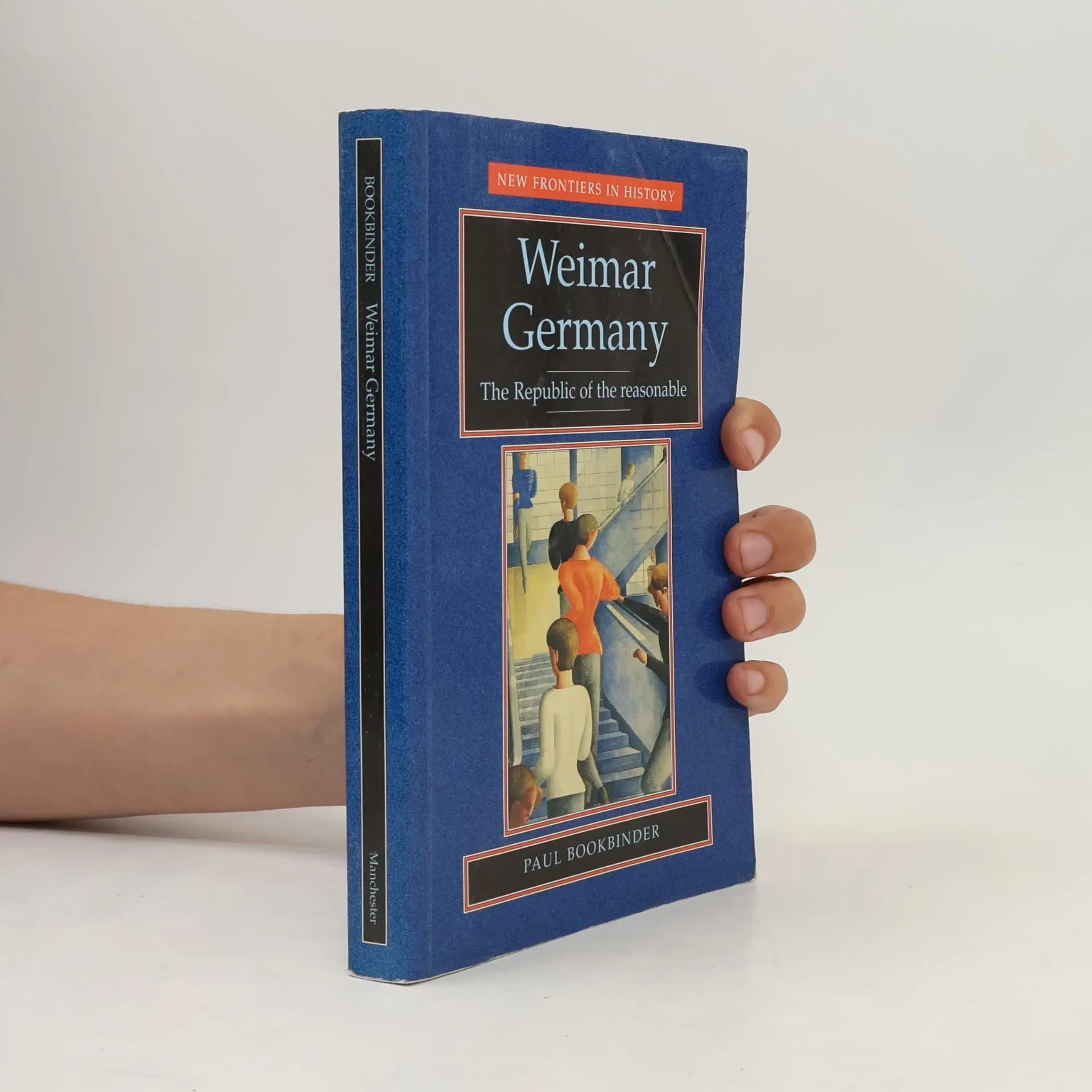
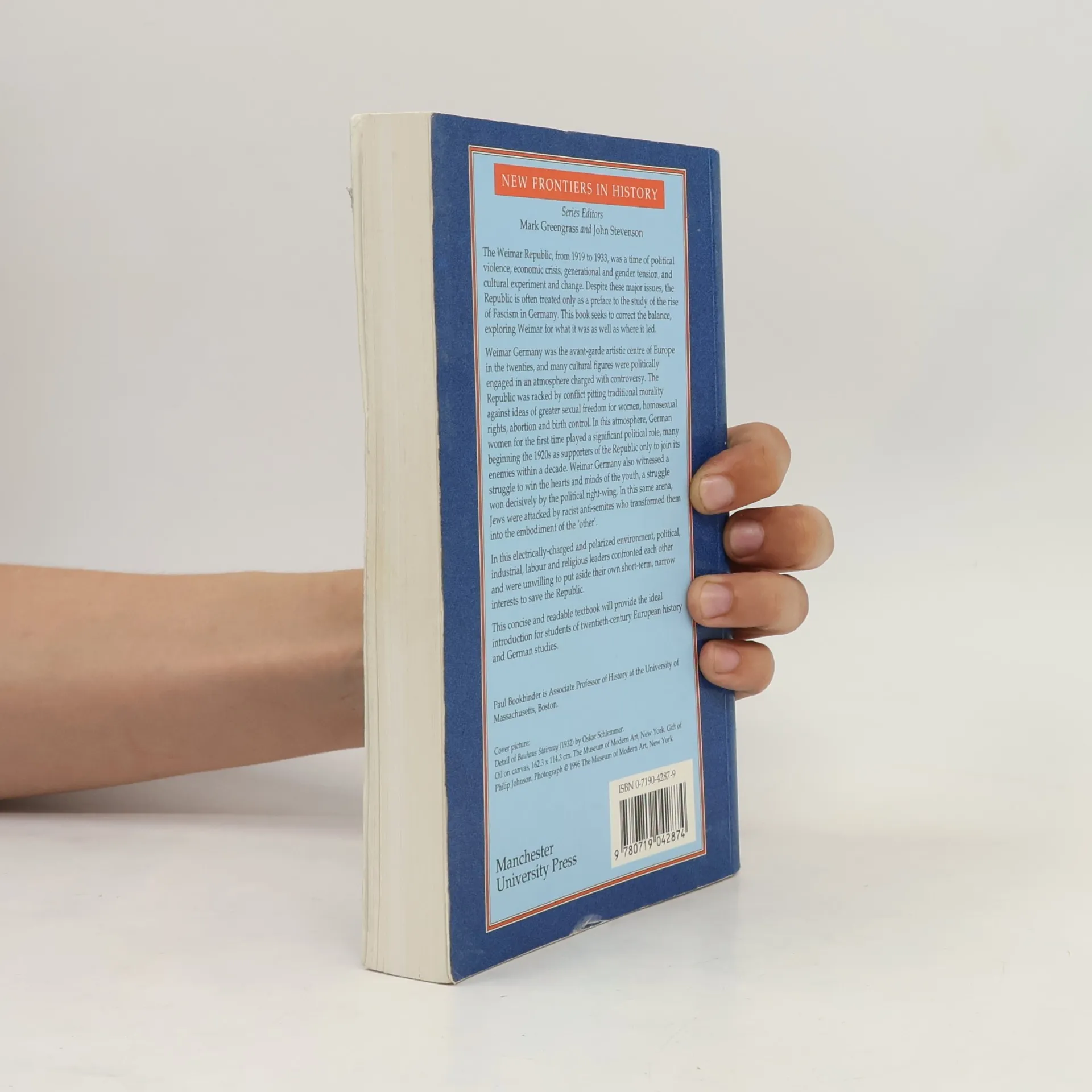
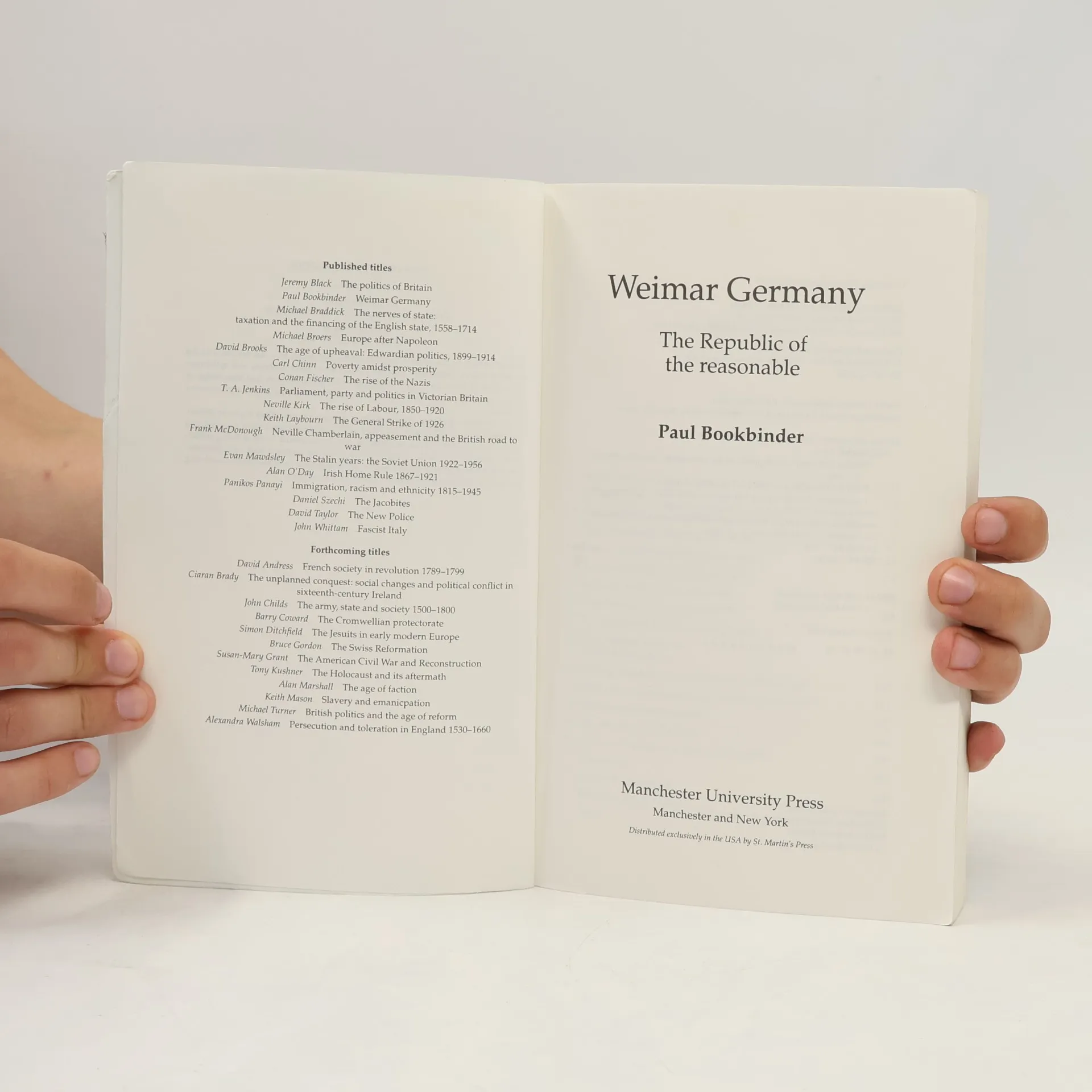
The Weimar period, which extended from 1919 to 1933, was a time of political violence, economic crisis, generational and gender tension, and cultural experiment and change in Germany. Despite these major issues, the Republic is often treated only as a preface to the study of the rise of Fascism. This text seeks to restore the balance, exploring the Weimar period in its own right. Amongst the topics discussed are: Weimar as the avant-garde artistic centre of Europe in the 1920s when many cultural figures were politically engaged on both sides of the political spectrum; Weimar as a German state racked by conflict over questions of morality versus ideas of greater sexual freedom for women, homosexual rights, abortion and birth control; the struggle to win the hearts and minds of German youth, a struggle won decisively by the right-wing; and Weimar as the first German state in which women played a significant political role.
Zakup książki
New Frontiers in History: Weimar Germany, Paul Bookbinder
- Język

- Rok wydania
- 1996
- Oprawa
- (miękka)
Metody płatności
Nikt jeszcze nie ocenił.
- Tytuł
- New Frontiers in History: Weimar Germany
- Podtytuł
- The Republic of the Reasonable
- Język
- angielski
- Autorzy
- Paul Bookbinder
- Wydawca
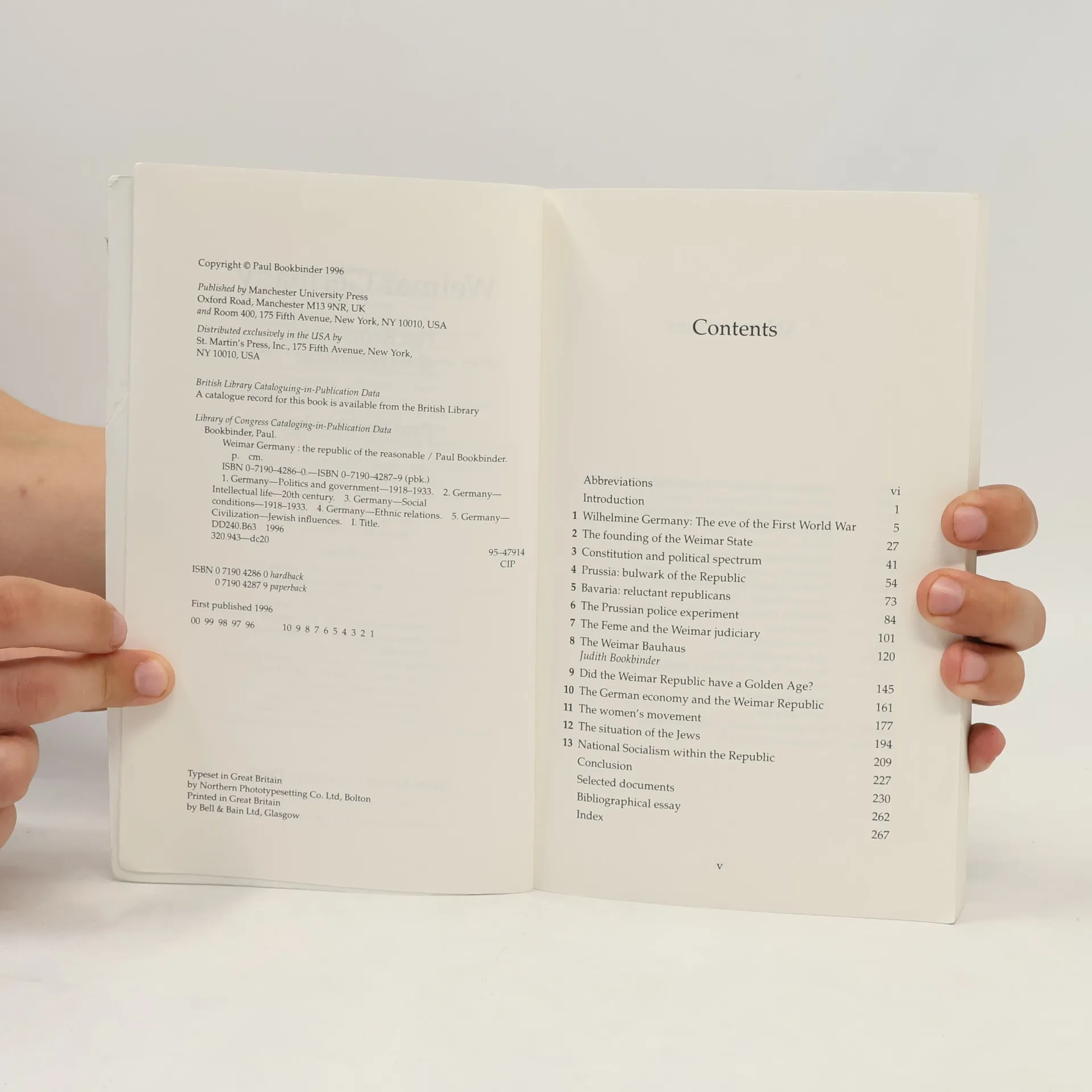
- Manchester University Press
- Rok wydania
- 1996
- Oprawa
- miękka
- Liczba stron
- 288
- ISBN10
- 0719042879
- ISBN13
- 9780719042874
- Seria
- Kategorie
- Tagi
- Tematy historyczne, Polityka, Niemcy, XX wiek, Europa, Kultura & Społeczeństwo, Historia Europy, Teorie polityczne, Literatura Żydowska, Zachodnia Europa, Republika Weimarska, Dyktatura, Warunki Społeczne, Życie Intelektualne
- Opis
- The Weimar period, which extended from 1919 to 1933, was a time of political violence, economic crisis, generational and gender tension, and cultural experiment and change in Germany. Despite these major issues, the Republic is often treated only as a preface to the study of the rise of Fascism. This text seeks to restore the balance, exploring the Weimar period in its own right. Amongst the topics discussed are: Weimar as the avant-garde artistic centre of Europe in the 1920s when many cultural figures were politically engaged on both sides of the political spectrum; Weimar as a German state racked by conflict over questions of morality versus ideas of greater sexual freedom for women, homosexual rights, abortion and birth control; the struggle to win the hearts and minds of German youth, a struggle won decisively by the right-wing; and Weimar as the first German state in which women played a significant political role.