


Więcej o książce
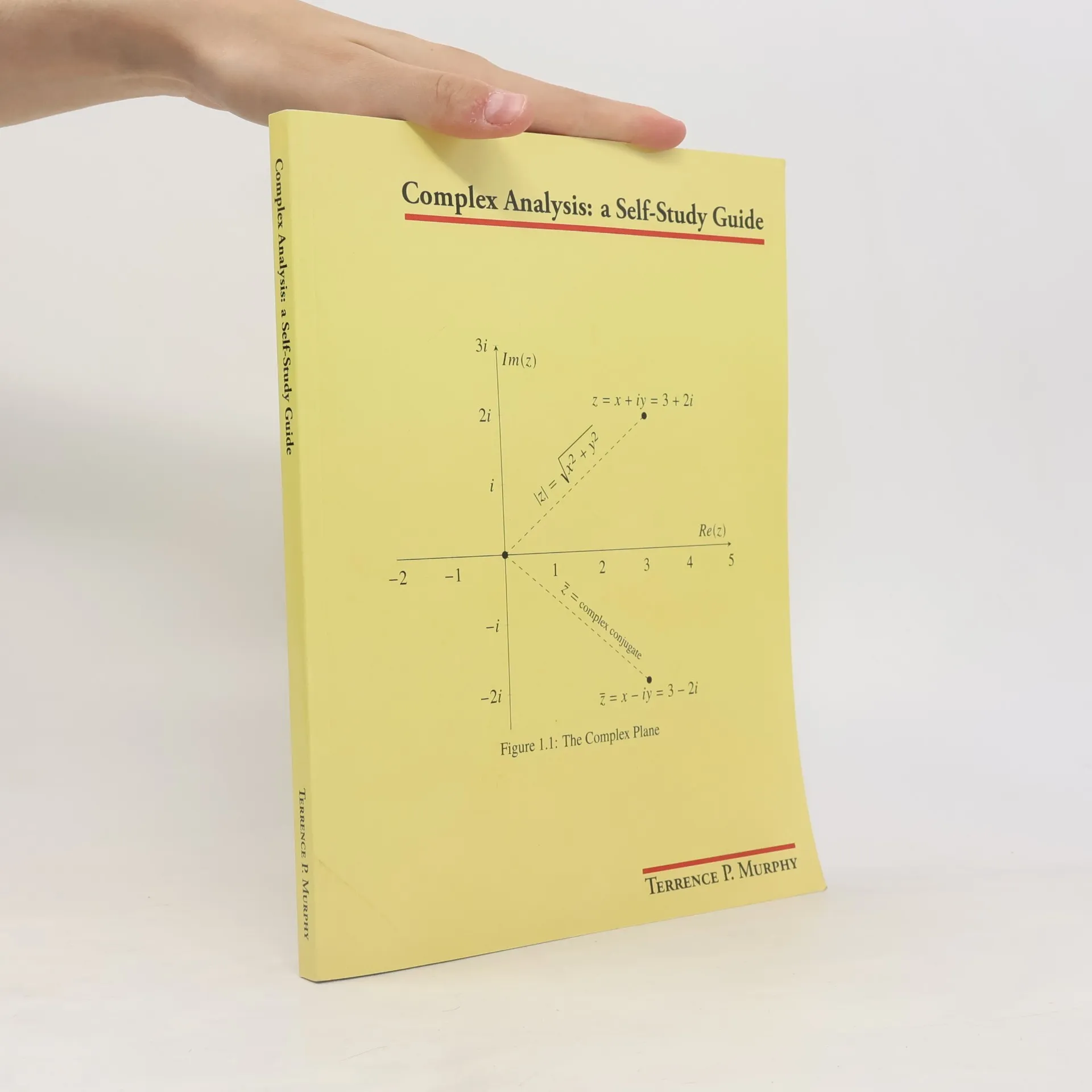
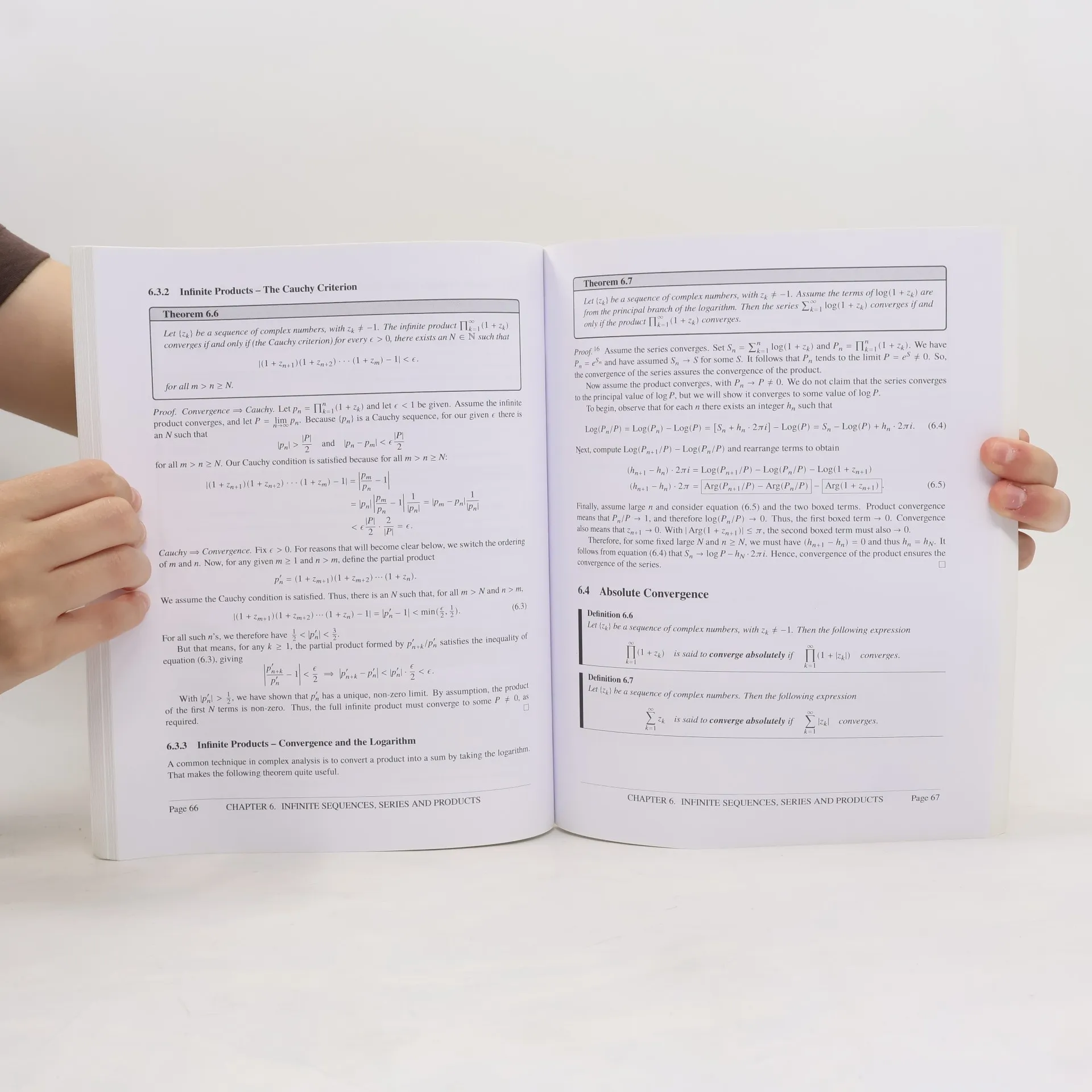
This is not a college textbook. The aim is to equip you with the skills to read, follow, and understand proofs of complex analysis theorems, rather than to independently prove them. My first published work focuses on Riemann’s 1859 paper, which includes significant mathematical advances and the Riemann Hypothesis regarding the zeros of the Zeta function. This book serves to bridge the gap between less technical and highly technical texts on Riemann's work, helping readers reach a "hobbyist" level of understanding in complex analysis. Many aspiring readers find traditional textbooks daunting, and this book is designed to facilitate that transition. It is also suitable for students who have completed a real analysis course and are preparing for complex analysis. A solid grasp of epsilon-delta proofs is essential, as the book develops core theories of complex analysis through classic proofs with detailed explanations. Each chapter concludes with demonstrations of learned concepts, either through proofs of supplemental theorems or exercises, with answers provided in the appendix. The initial chapters cover important definitions and familiar concepts, while the latter chapters delve into central theorems of complex function theory, concluding with the Argument Principle, which Riemann utilized to analyze the Zeta function's zeros.
Zakup książki
Complex Analysis, Terrence P. Murphy
- Język

- Rok wydania
- 2022
- Oprawa
- (miękka)
Metody płatności
Nikt jeszcze nie ocenił.
- Tytuł
- Complex Analysis
- Podtytuł
- A Self-Study Guide
- Język
- angielski
- Autorzy
- Terrence P. Murphy
- Wydawca
- Paramount Ridge Press
- Rok wydania
- 2022
- Oprawa
- miękka
- Liczba stron
- 175
- ISBN10
- 0996167153
- ISBN13
- 9780996167154
- Seria
- Tagi
- Podręczniki
- Opis
- This is not a college textbook. The aim is to equip you with the skills to read, follow, and understand proofs of complex analysis theorems, rather than to independently prove them. My first published work focuses on Riemann’s 1859 paper, which includes significant mathematical advances and the Riemann Hypothesis regarding the zeros of the Zeta function. This book serves to bridge the gap between less technical and highly technical texts on Riemann's work, helping readers reach a "hobbyist" level of understanding in complex analysis. Many aspiring readers find traditional textbooks daunting, and this book is designed to facilitate that transition. It is also suitable for students who have completed a real analysis course and are preparing for complex analysis. A solid grasp of epsilon-delta proofs is essential, as the book develops core theories of complex analysis through classic proofs with detailed explanations. Each chapter concludes with demonstrations of learned concepts, either through proofs of supplemental theorems or exercises, with answers provided in the appendix. The initial chapters cover important definitions and familiar concepts, while the latter chapters delve into central theorems of complex function theory, concluding with the Argument Principle, which Riemann utilized to analyze the Zeta function's zeros.