


Więcej o książce
What does democracy expect of its citizens, and how do the citizenry match these expectations? This Oxford Handbook examines the role of the citizen in contemporary politics, based on essays from the world's leading scholars of political behavior research. The recent expansion of democracy has both given new rights and created new responsibilities for the citizenry. These political changes are paralleled by tremendous advances in our empirical knowledge of citizens and their behaviors through the institutionalization of systematic, comparative study of contemporary publics--ranging from the advanced industrial democracies to the emerging democracies of Central and Eastern Europe, to new survey research on the developing world. These essays describe how citizens think about politics, how their values shape their behavior, the patterns of participation, the sources of vote choice, and how public opinion impacts on governing and public policy. This is the most comprehensive review of the cross-national literature of citizen behavior and the relationship between citizens and their governments. It will become the first point of reference for scholars and students interested in these key issues.
Zakup książki
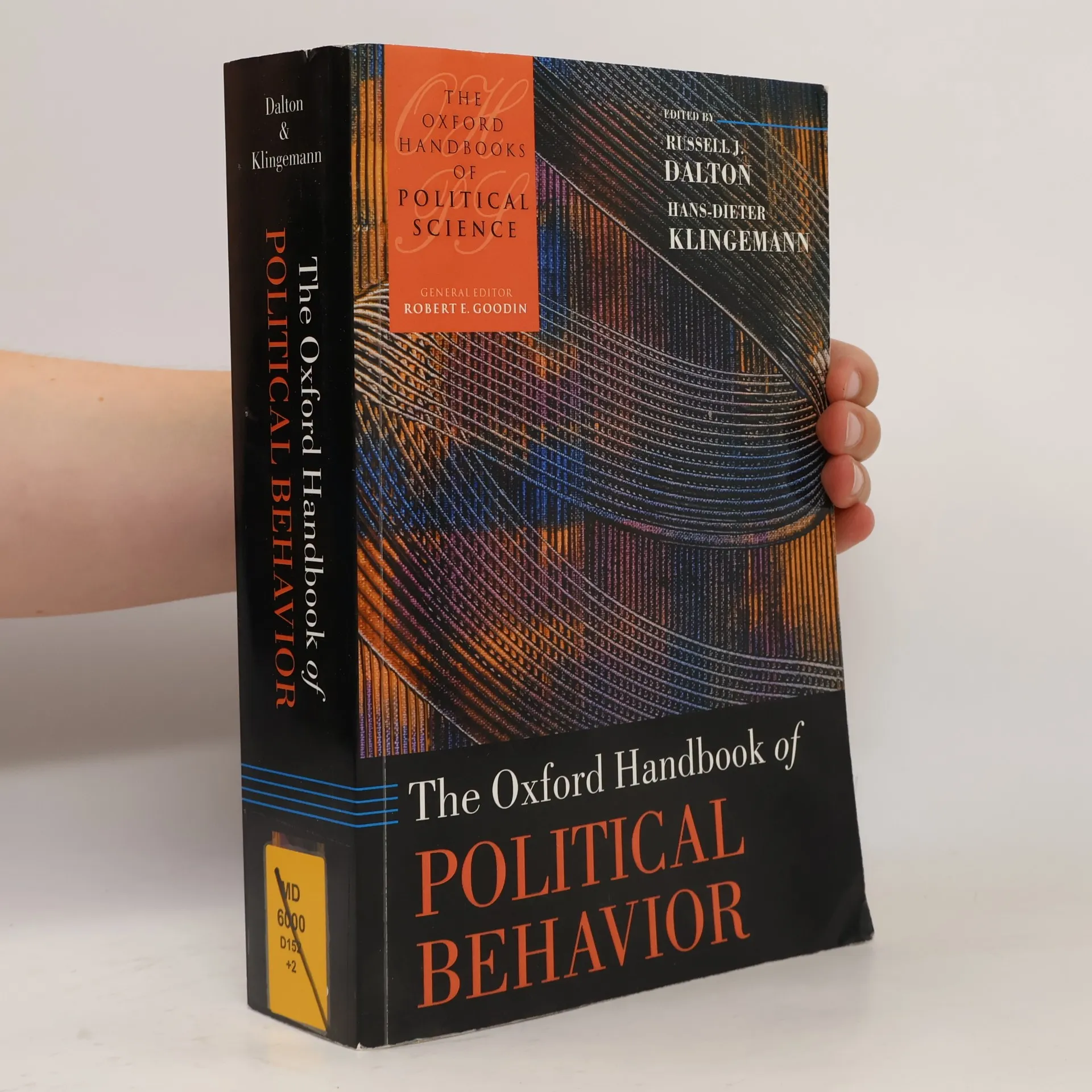
The Oxford Handbooks of Political Science: The Oxford Handbook of Political Behavior, Russell J. Dalton, Hans Dieter Klingemann, Robert E. Robert Edward Goodin
- Język

- Rok wydania
- 2009
- Oprawa
- (miękka)
Metody płatności
Nikt jeszcze nie ocenił.
- Tytuł
- The Oxford Handbooks of Political Science: The Oxford Handbook of Political Behavior
- Język
- angielski
- Wydawca
- Oxford University Press
- Rok wydania
- 2009
- Oprawa
- miękka
- Liczba stron
- 1008
- ISBN10
- 0199566011
- ISBN13
- 9780199566013
- Seria
- Kategorie
- Opis
- What does democracy expect of its citizens, and how do the citizenry match these expectations? This Oxford Handbook examines the role of the citizen in contemporary politics, based on essays from the world's leading scholars of political behavior research. The recent expansion of democracy has both given new rights and created new responsibilities for the citizenry. These political changes are paralleled by tremendous advances in our empirical knowledge of citizens and their behaviors through the institutionalization of systematic, comparative study of contemporary publics--ranging from the advanced industrial democracies to the emerging democracies of Central and Eastern Europe, to new survey research on the developing world. These essays describe how citizens think about politics, how their values shape their behavior, the patterns of participation, the sources of vote choice, and how public opinion impacts on governing and public policy. This is the most comprehensive review of the cross-national literature of citizen behavior and the relationship between citizens and their governments. It will become the first point of reference for scholars and students interested in these key issues.