

Wyprzedane, ale poszukiwane!
Parametry
- 278 stron
- 10 godzin czytania
Więcej o książce
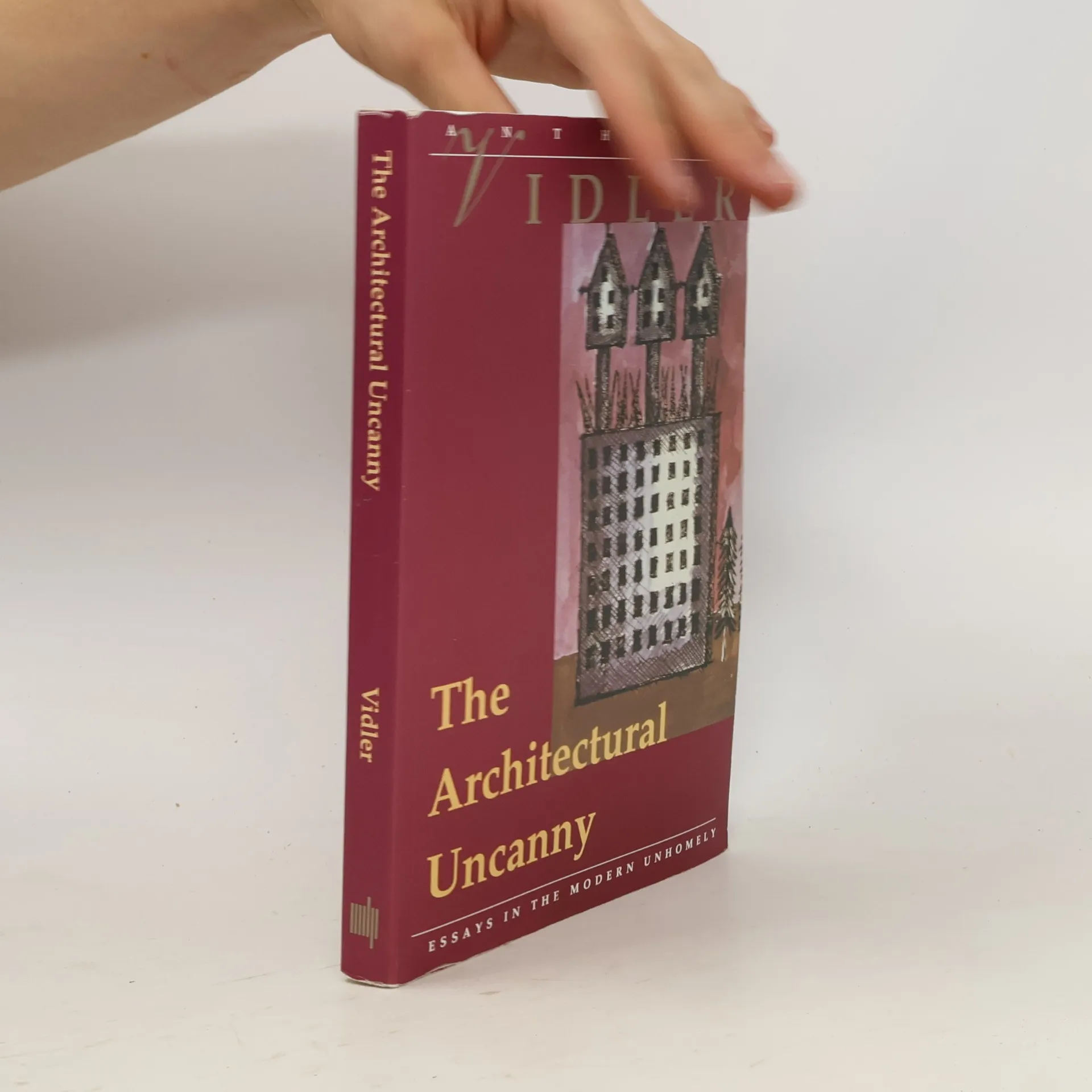
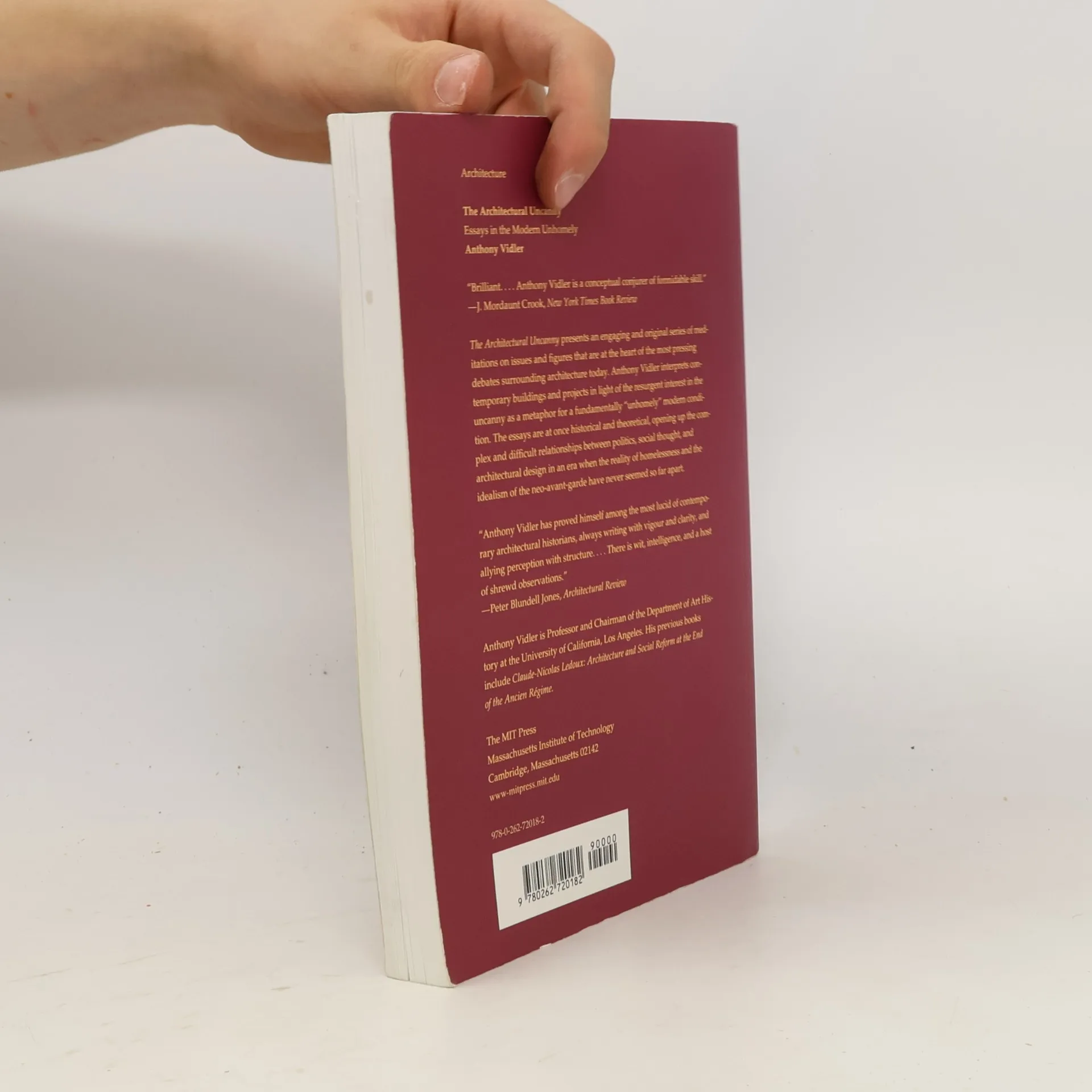
The Architectural Uncanny presents an engaging and original series of meditations on issues and figures that are at the heart of the most pressing debates surrounding architecture today. Anthony Vidler interprets contemporary buildings and projects in light of the resurgent interest in the uncanny as a metaphor for a fundamentally “unhomely” modern condition. The essays are at once historical and theoretical, opening up the complex and difficult relationships between politics, social thought, and architectural design in an era when the reality of homelessness and the idealism of the neo-avant-garde have never seemed so far apart.
Zakup książki
The Architectural Uncanny, Anthony Vidler
- Język

- Rok wydania
- 1992
- Oprawa
- (miękka)
Jak tylko się pojawi, wyślemy Ci wiadomość e-mail.
Metody płatności
Nikt jeszcze nie ocenił.
- Tytuł
- The Architectural Uncanny
- Podtytuł
- Essays in the Modern Unhomely
- Język
- angielski
- Autorzy
- Anthony Vidler
- Wydawca
- MIT Press
- Rok wydania
- 1992
- Oprawa
- miękka
- Liczba stron
- 278
- ISBN10
- 0262720183
- ISBN13
- 9780262720182
- Seria
- Kategorie
- Tagi
- Biznes, Tematyka psychologiczna, Tematyka filozoficzna, Sztuka, Architektura, Rodzina, Wojny, Tematyka filmowa, Kultura & Społeczeństwo, Feminizm, Zdrowie psychiczne, Historia Europy, Małżeństwo, Kultura, Teorie naukowe, XXI wiek, Tożsamość, Miasta, Krytyka, Gender, Kapitalizm, Piękno, Utrata pamięci & Amnezja, Zaburzenia lękowe, Aspekty psychologiczne, Teoria Architektury, Teoria krytyczna
- Opis
- The Architectural Uncanny presents an engaging and original series of meditations on issues and figures that are at the heart of the most pressing debates surrounding architecture today. Anthony Vidler interprets contemporary buildings and projects in light of the resurgent interest in the uncanny as a metaphor for a fundamentally “unhomely” modern condition. The essays are at once historical and theoretical, opening up the complex and difficult relationships between politics, social thought, and architectural design in an era when the reality of homelessness and the idealism of the neo-avant-garde have never seemed so far apart.