


Więcej o książce
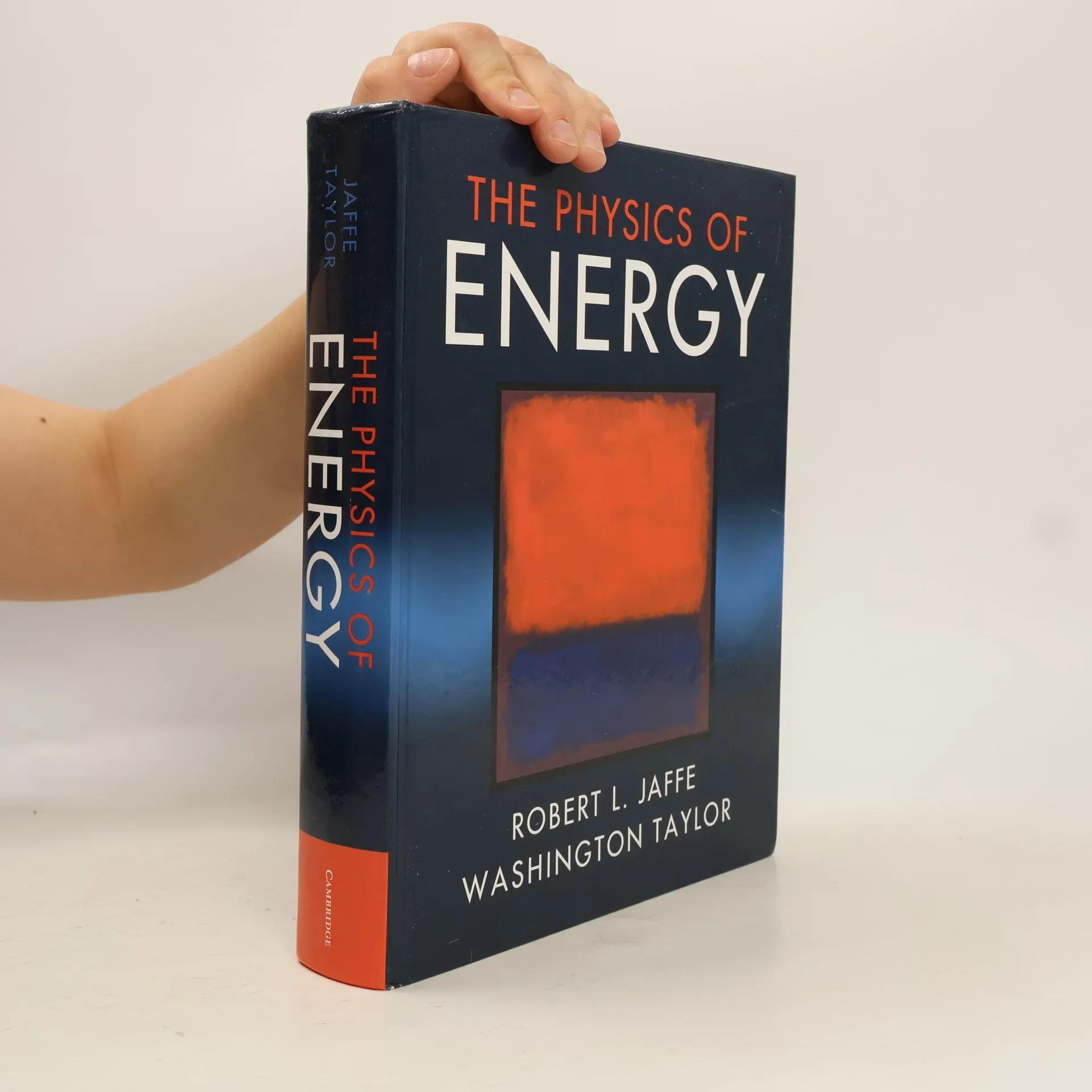
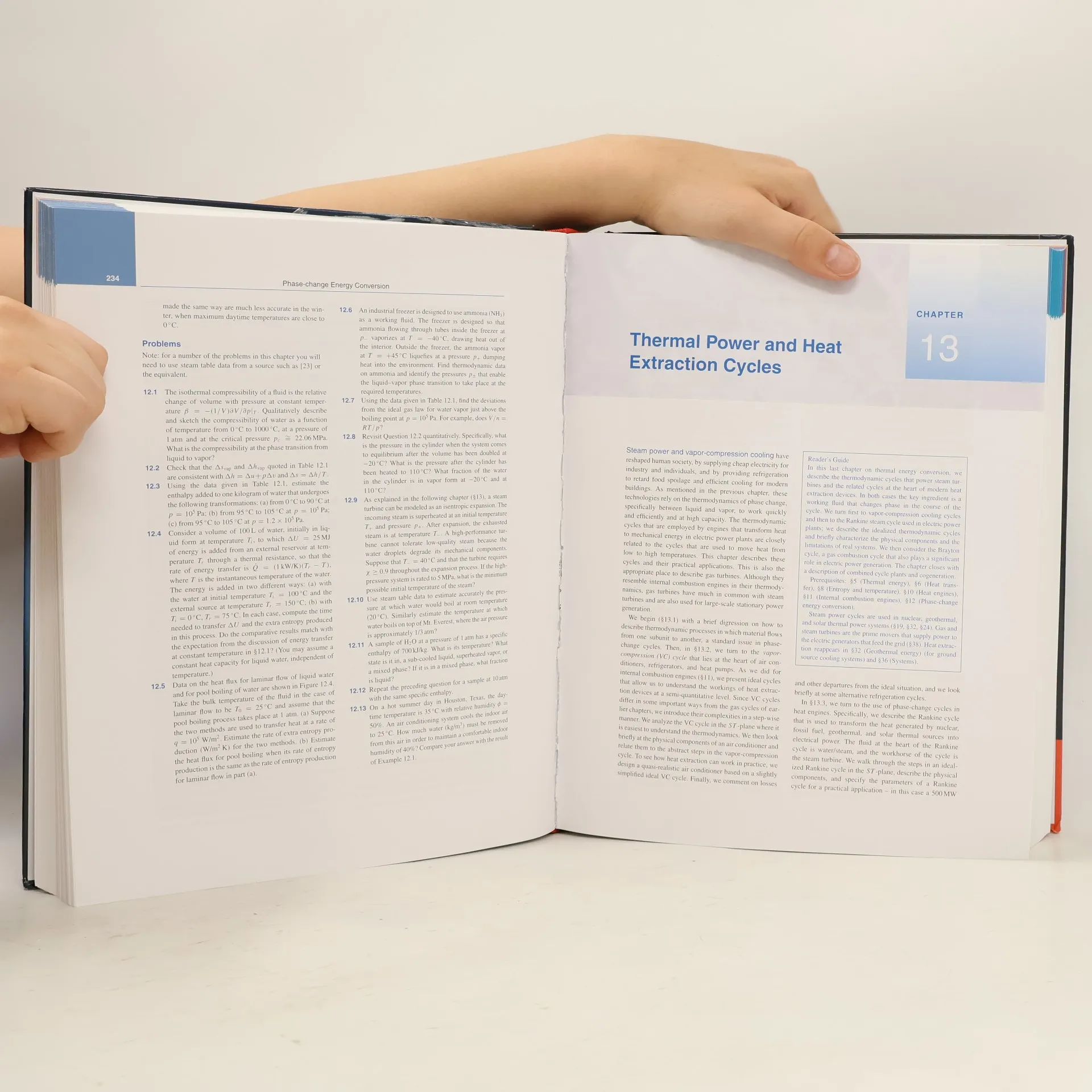
The Physics of Energy provides a comprehensive and systematic introduction to the scientific principles governing energy sources, uses, and systems. This definitive textbook traces the flow of energy from sources such as solar power, nuclear power, wind power, water power, and fossil fuels through its transformation in devices such as heat engines and electrical generators, to its uses including transportation, heating, cooling, and other applications. The flow of energy through the Earth's atmosphere and oceans, and systems issues including storage, electric grids, and efficiency and conservation are presented in a scientific context along with topics such as radiation from nuclear power and climate change from the use of fossil fuels. Students, scientists, engineers, energy industry professionals, and concerned citizens with some mathematical and scientific background who wish to understand energy systems and issues quantitatively will find this textbook of great interest.
Zakup książki
The Physics of Energy, Robert L. Jaffe, Washington Taylor
- Język

- Rok wydania
- 2018
- Oprawa
- (twarda)
Metody płatności
Nikt jeszcze nie ocenił.
- Tytuł
- The Physics of Energy
- Język
- angielski
- Autorzy
- Robert L. Jaffe, Washington Taylor
- Wydawca
- Cambridge University Press
- Rok wydania
- 2018
- Oprawa
- twarda
- Liczba stron
- 894
- ISBN10
- 1107016657
- ISBN13
- 9781107016651
- Seria
- Opis
- The Physics of Energy provides a comprehensive and systematic introduction to the scientific principles governing energy sources, uses, and systems. This definitive textbook traces the flow of energy from sources such as solar power, nuclear power, wind power, water power, and fossil fuels through its transformation in devices such as heat engines and electrical generators, to its uses including transportation, heating, cooling, and other applications. The flow of energy through the Earth's atmosphere and oceans, and systems issues including storage, electric grids, and efficiency and conservation are presented in a scientific context along with topics such as radiation from nuclear power and climate change from the use of fossil fuels. Students, scientists, engineers, energy industry professionals, and concerned citizens with some mathematical and scientific background who wish to understand energy systems and issues quantitatively will find this textbook of great interest.