




Więcej o książce
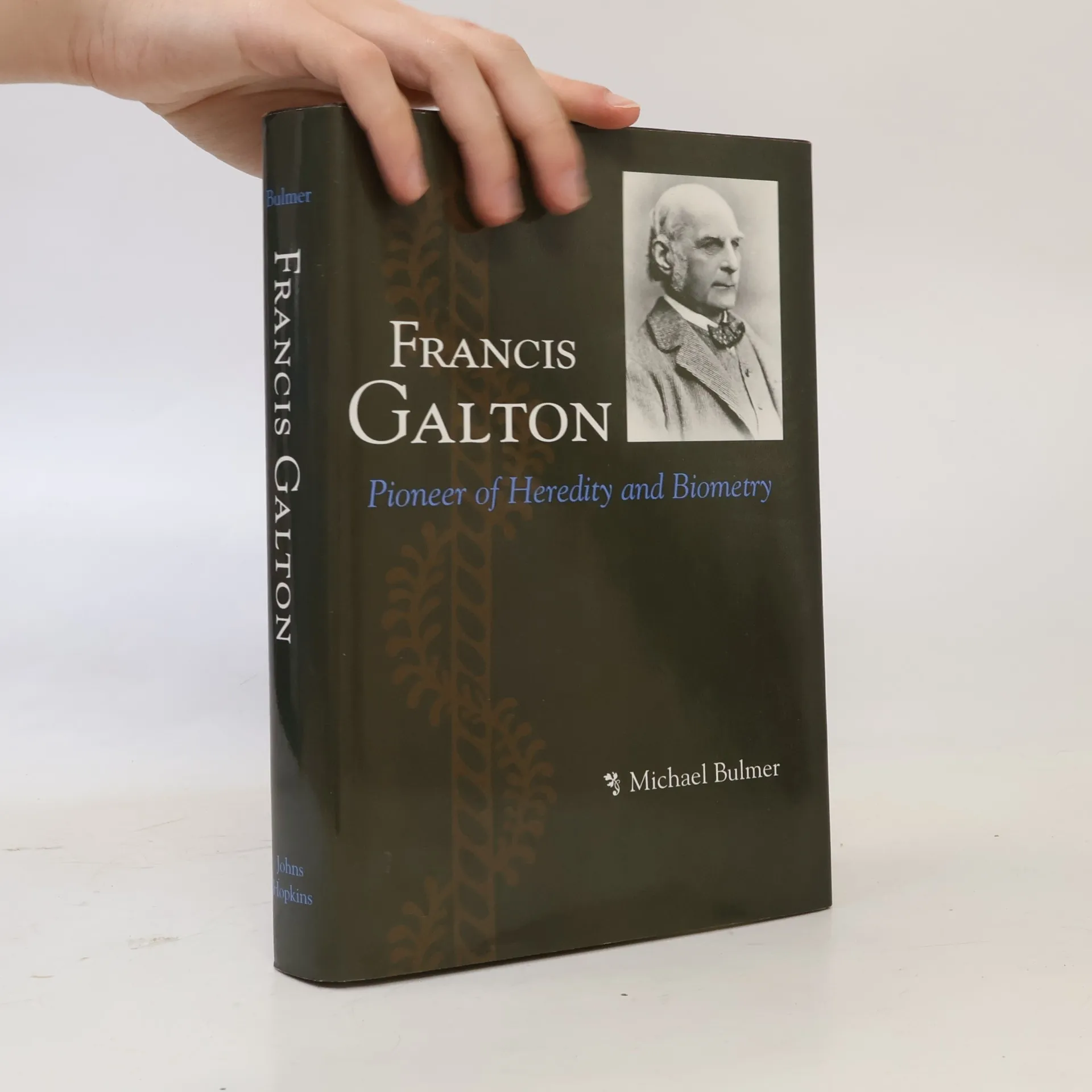
Charles Darwin's evolutionary theory could have faced a different fate without the contributions of his half cousin, Francis Galton. Lacking direct evidence of natural selection and a convincing heredity theory, Darwin required a mathematical framework for variability and heredity. Galton's pioneering work in biometry—applying statistical methods to biological sciences—provided just that. This book presents a compelling portrait of Galton as the "father of biometry," exploring his ideas and achievements within their scientific context. Michael Bulmer delves into Galton's multifaceted life as an explorer, polymath, and member of the Victorian intellectual elite, while primarily focusing on his groundbreaking studies of heredity. Galton invented the statistical tools of regression and correlation and conducted early investigations into evolutionary problems, such as the evolution of gregariousness and the role of sex. His transition from a physiological to a statistical theory of heredity, rooted in the normal distribution, culminated in the law of ancestral heredity. This positioned Galton at the center of the conflict between "ancestrians" and "Mendelians" following the rediscovery of Mendelism in 1900. Bulmer, a skilled writer and biometrician, illustrates how biometrical methods ultimately triumphed in quantitative genetics, shaping our modern understanding of evolution.
Zakup książki
Francis Galton, Michael Bulmer
- Język

- Rok wydania
- 2003
- Oprawa
- (twarda)
Metody płatności
Nikt jeszcze nie ocenił.
- Tytuł
- Francis Galton
- Podtytuł
- Pioneer of Heredity and Biometry
- Język
- angielski
- Autorzy
- Michael Bulmer
- Rok wydania
- 2003
- Oprawa
- twarda
- Liczba stron
- 376
- ISBN10
- 0801874033
- ISBN13
- 9780801874031
- Seria
- Opis
- Charles Darwin's evolutionary theory could have faced a different fate without the contributions of his half cousin, Francis Galton. Lacking direct evidence of natural selection and a convincing heredity theory, Darwin required a mathematical framework for variability and heredity. Galton's pioneering work in biometry—applying statistical methods to biological sciences—provided just that. This book presents a compelling portrait of Galton as the "father of biometry," exploring his ideas and achievements within their scientific context. Michael Bulmer delves into Galton's multifaceted life as an explorer, polymath, and member of the Victorian intellectual elite, while primarily focusing on his groundbreaking studies of heredity. Galton invented the statistical tools of regression and correlation and conducted early investigations into evolutionary problems, such as the evolution of gregariousness and the role of sex. His transition from a physiological to a statistical theory of heredity, rooted in the normal distribution, culminated in the law of ancestral heredity. This positioned Galton at the center of the conflict between "ancestrians" and "Mendelians" following the rediscovery of Mendelism in 1900. Bulmer, a skilled writer and biometrician, illustrates how biometrical methods ultimately triumphed in quantitative genetics, shaping our modern understanding of evolution.