


Więcej o książce
For centuries the dhow, a traditional Arab sailing vessel, operated according to the principles of free trade, carrying sailors, traders, passengers, and cargo to ports within Africa, India, and the Persian Gulf. The dhow was a vibrant means of social interaction, and the goods it carried embodied a great deal of social and cultural meaning. One could say the dhow gave birth to a number of cosmopolitan peoples and cultures, establishing and maintaining a genuine dialogue between civilizations. By the fifteenth century, the global world of the Indian Ocean had matured, and Islam became the dominant religion. It spread not by sword but by peaceful commerce, and the heroes of this world were not continental empires but a string of small port city-states stretching from Kilwa to Melaka. Their influence penetrated deep into the economies, societies, and cultures of the continental hinterlands, yet two major incursions turned this world upside down: the Chinese expeditions launched at the beginning of the fifteenth century and the Portuguese explorations conducted at its close. The contrast could not have been starker between the dhow's long-standing tradition of free trade and Vasco da Gama's epoch of armed trading, which ultimately led to colonial domination. Abdul Sheriff unravels this rich and populous history, recasting the roots of Islam as they grew within the region, along with the thrilling story of the dhow.
Zakup książki
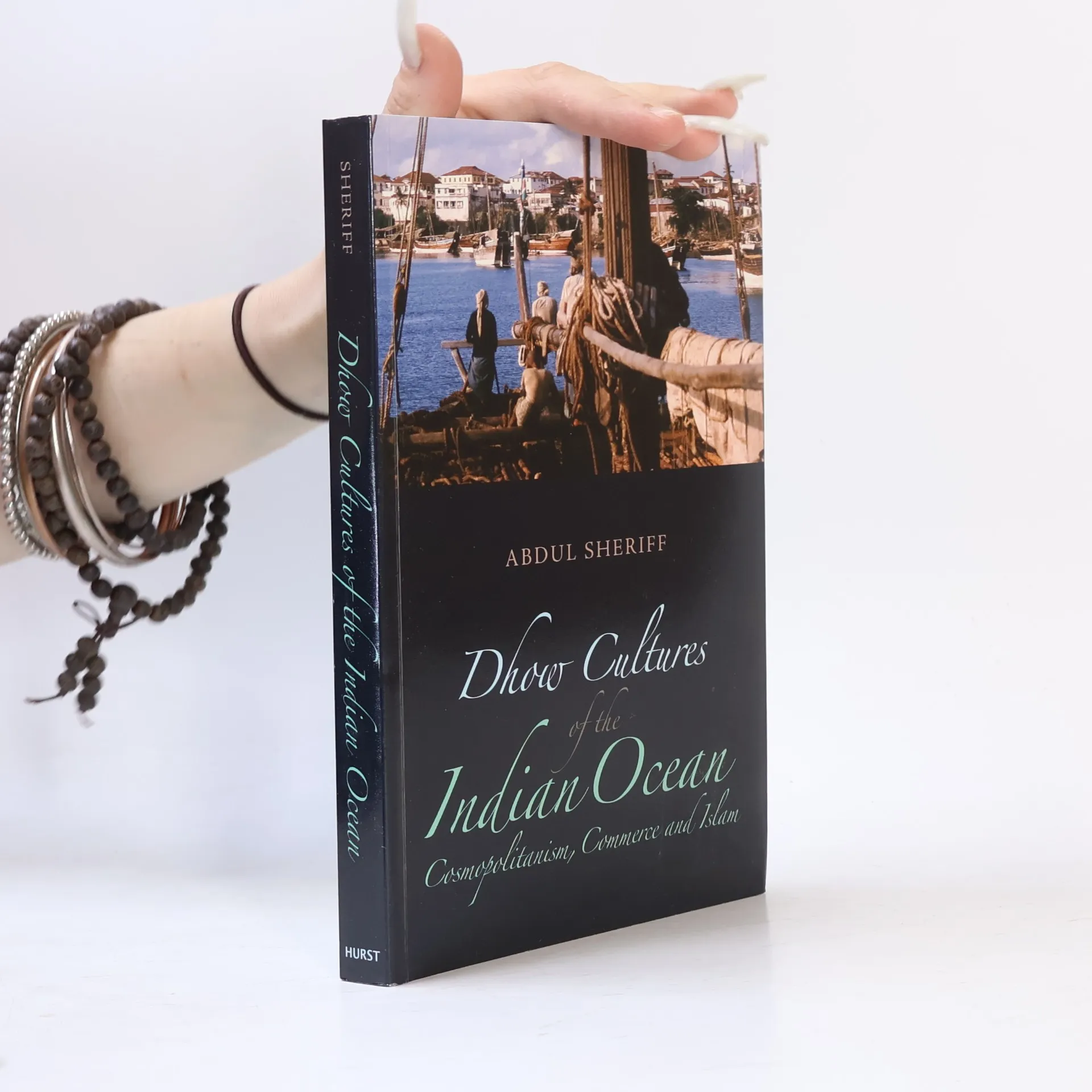
Dhow Cultures of the Indian Ocean, Abdul Sheriff
- Język

- Rok wydania
- 2009
- Oprawa
- (miękka),
- Stan książki
- Bardzo dobry
- Cena
- 166,61 zł
Metody płatności
Nikt jeszcze nie ocenił.
- Tytuł
- Dhow Cultures of the Indian Ocean
- Podtytuł
- Cosmopolitanism, Commerce and Islam
- Język
- angielski
- Autorzy
- Abdul Sheriff
- Wydawca
- C Hurst & Co Publishers Ltd
- Rok wydania
- 2009
- Oprawa
- miękka
- Liczba stron
- 360
- ISBN10
- 1849040087
- ISBN13
- 9781849040082
- Seria
- Kategorie
- Opis
- For centuries the dhow, a traditional Arab sailing vessel, operated according to the principles of free trade, carrying sailors, traders, passengers, and cargo to ports within Africa, India, and the Persian Gulf. The dhow was a vibrant means of social interaction, and the goods it carried embodied a great deal of social and cultural meaning. One could say the dhow gave birth to a number of cosmopolitan peoples and cultures, establishing and maintaining a genuine dialogue between civilizations. By the fifteenth century, the global world of the Indian Ocean had matured, and Islam became the dominant religion. It spread not by sword but by peaceful commerce, and the heroes of this world were not continental empires but a string of small port city-states stretching from Kilwa to Melaka. Their influence penetrated deep into the economies, societies, and cultures of the continental hinterlands, yet two major incursions turned this world upside down: the Chinese expeditions launched at the beginning of the fifteenth century and the Portuguese explorations conducted at its close. The contrast could not have been starker between the dhow's long-standing tradition of free trade and Vasco da Gama's epoch of armed trading, which ultimately led to colonial domination. Abdul Sheriff unravels this rich and populous history, recasting the roots of Islam as they grew within the region, along with the thrilling story of the dhow.