

Więcej o książce
One of the most important books ever written on domestic violence, Coercive Control breaks through entrenched views of physical abuse that have ultimately failed to protect women. Evan Stark, founder of one of America's first battered women's shelters, shows how "domestic violence" is neither primarily domestic nor necessarily violent, but a pattern of controlling behaviors more akin to terrorism and hostage-taking. Drawing on court records, interviews, and FBI statistics, Stark details coercive strategies that men use to deny women their very personhood, from "beeper games" to food logs to micromanaging dress, speech, sexual activity, and work. Stark urges us to move beyond the injury model and focus on the real victimization that allows men to violate women's human rights with impunity. Provocative and brilliantly argued, Coercive Control reframes abuse as a liberty crime rather than a crime of assault and points the way to bringing "real" equality for women in line with their formal rights to personhood and citizenship, freedom and safety.
Zakup książki
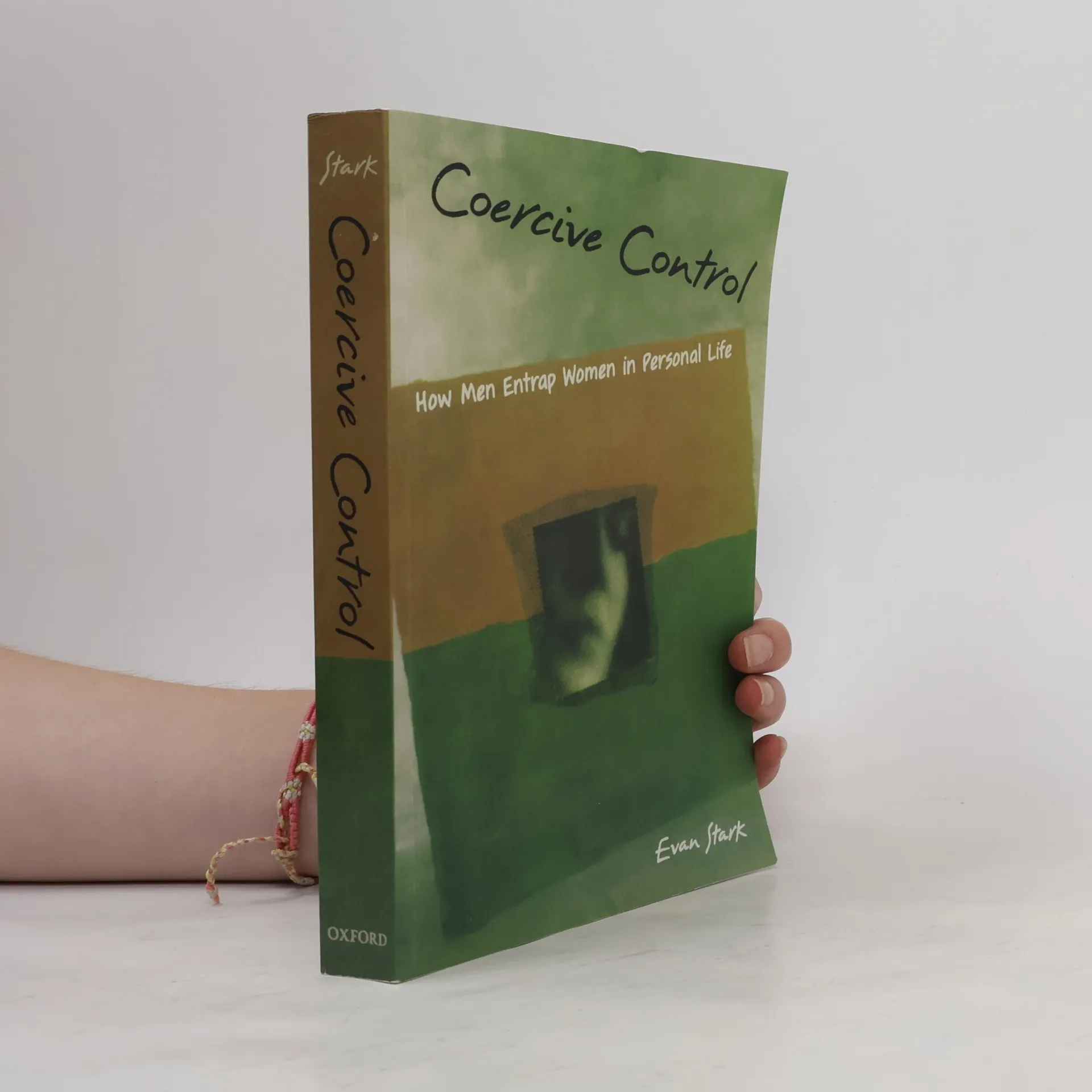
Coercive Control, Evan Stark
- Język

- Rok wydania
- 2009
- Oprawa
- (miękka)
Metody płatności
Nikt jeszcze nie ocenił.
- Tytuł
- Coercive Control
- Podtytuł
- How Men Entrap Women in Personal Life
- Język
- angielski
- Autorzy
- Evan Stark
- Wydawca
- Oxford University Press
- Rok wydania
- 2009
- Oprawa
- miękka
- Liczba stron
- 452
- ISBN10
- 0195384040
- ISBN13
- 9780195384048
- Seria
- Tagi
- Tematyka psychologiczna, Poradniki, Tematy prawne, Rodzina, Relacje, Tematyka medyczna, Feminizm, Zdrowie psychiczne, Badania naukowe, Gender, Wskaźnik przestępczości, Praca Socjalna, Przemoc domowa
- Opis
- One of the most important books ever written on domestic violence, Coercive Control breaks through entrenched views of physical abuse that have ultimately failed to protect women. Evan Stark, founder of one of America's first battered women's shelters, shows how "domestic violence" is neither primarily domestic nor necessarily violent, but a pattern of controlling behaviors more akin to terrorism and hostage-taking. Drawing on court records, interviews, and FBI statistics, Stark details coercive strategies that men use to deny women their very personhood, from "beeper games" to food logs to micromanaging dress, speech, sexual activity, and work. Stark urges us to move beyond the injury model and focus on the real victimization that allows men to violate women's human rights with impunity. Provocative and brilliantly argued, Coercive Control reframes abuse as a liberty crime rather than a crime of assault and points the way to bringing "real" equality for women in line with their formal rights to personhood and citizenship, freedom and safety.