



Parametry
- 254 strony
- 9 godzin czytania
Więcej o książce
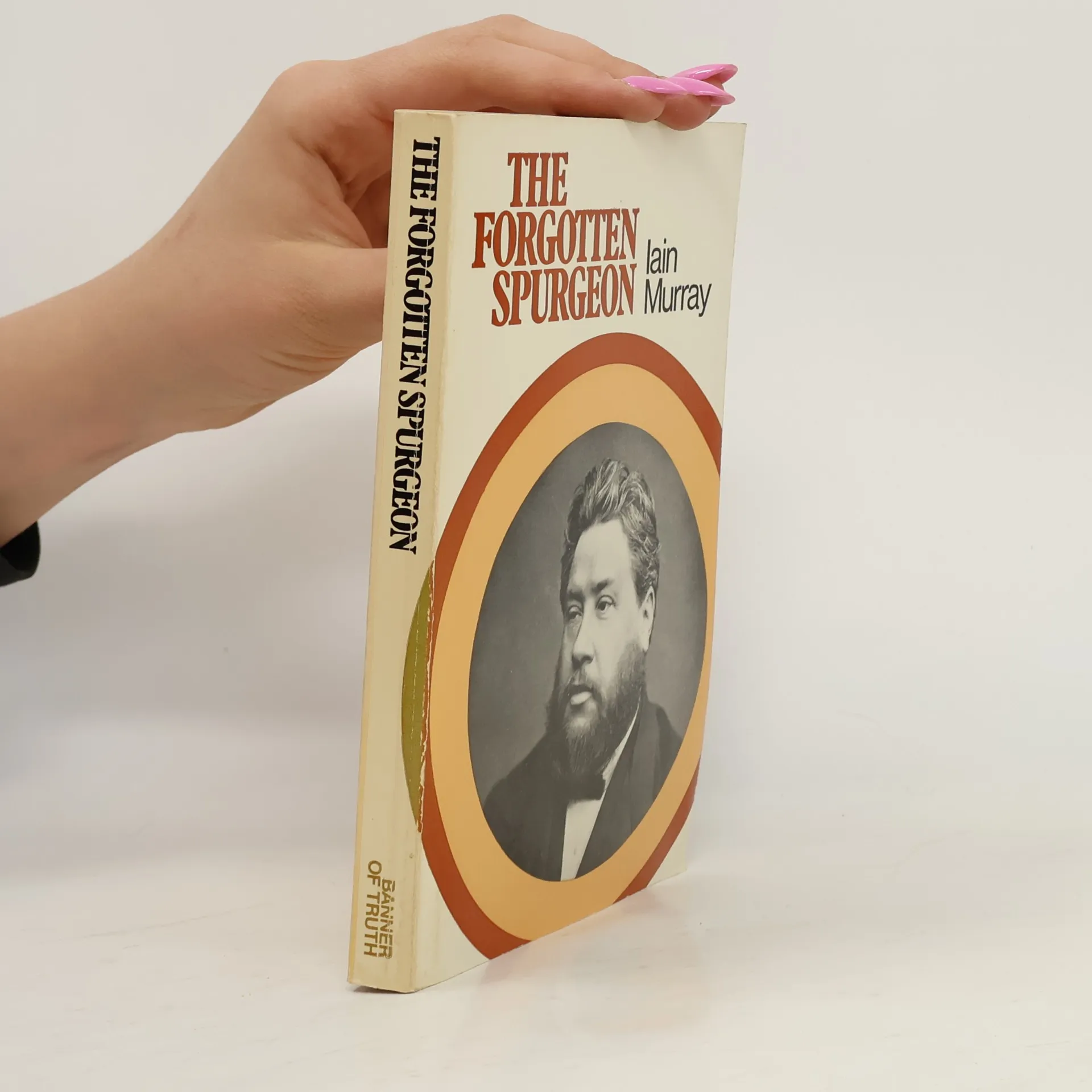
This book seeks to throw light on the reasons which have given rise to the superficial image of Spurgeon as a genial Victorian pulpiteer, a kind of grandfather of modern evangelicalism. Even before his death in 1892 newspapers and church leaders disputed over the features of his life which entitled him to fame. Not his 'narrow creed' but his 'genuine loving character' was most worthy of remembrance said one periodical, echoing the general view. When Joseph Parker contrasted the hard Calvinism preached at Spurgeon's Tabernacle with the praiseworthy Christianity exemplified in his orphanage, The Baptist protested that the man about whom Parker wrote 'is not the Spurgeon of history'. But the distortion continued and Spurgeon forecast how the position he help might fare in years to come: 'I am quite willing to be eaten by dogs for the next fifty years but the more distant future shall vindicate me'. This book traces the main lines of Spurgeon's spiritual thought in connection with the three great controversies in his ministry.
Zakup książki
The Forgotten Spurgeon, Iain Hamish Murray
- Język

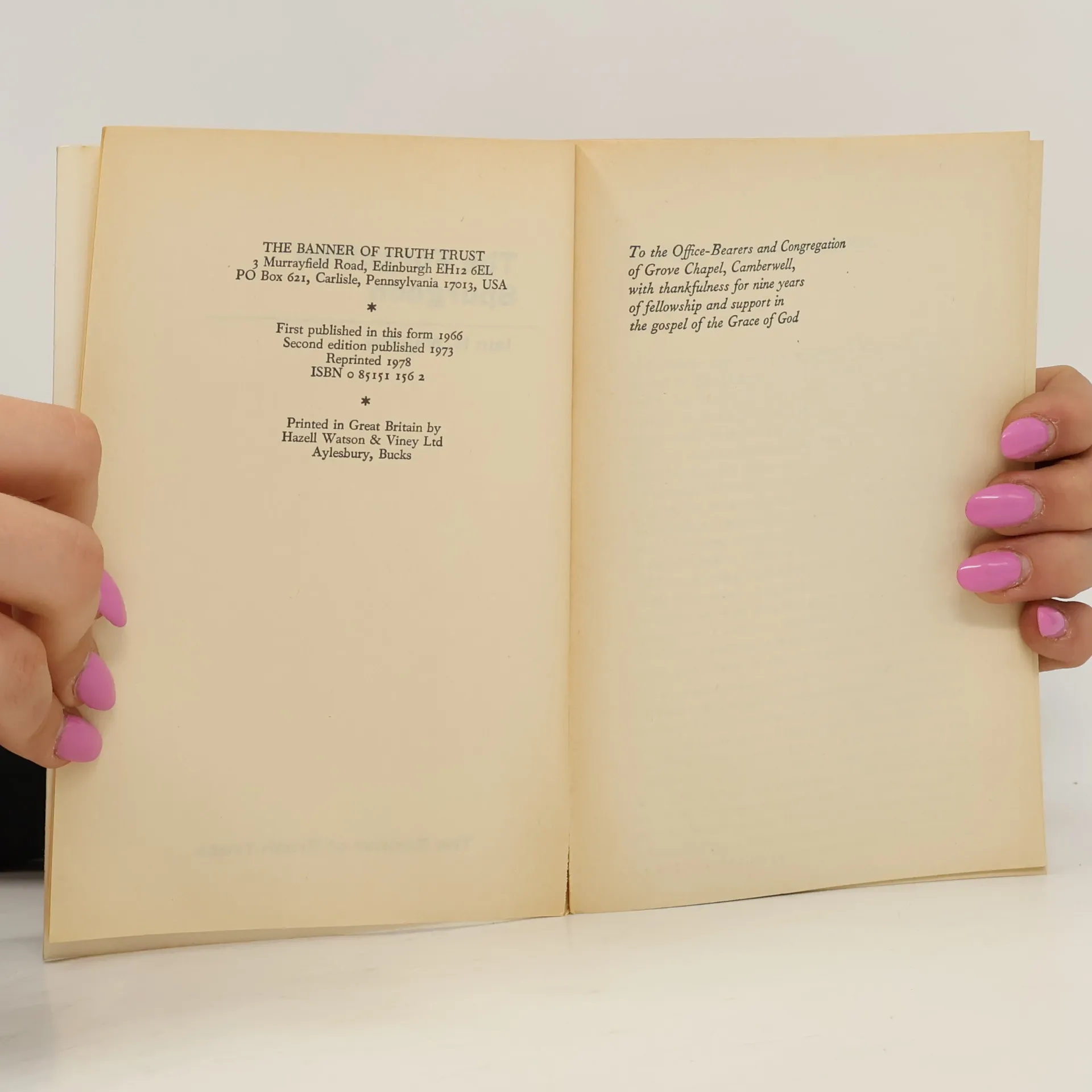
- Rok wydania
- 1978
- Oprawa
- (miękka),
- Stan książki
- Dobry
- Cena
- 5,90 zł
Metody płatności
Nikt jeszcze nie ocenił.
- Tytuł
- The Forgotten Spurgeon
- Język
- angielski
- Autorzy
- Iain Hamish Murray
- Wydawca
- Banner of Truth
- Rok wydania
- 1978
- Oprawa
- miękka
- Liczba stron
- 254
- ISBN10
- 0851511562
- ISBN13
- 9780851511566
- Seria
- Kategorie
- Opis
- This book seeks to throw light on the reasons which have given rise to the superficial image of Spurgeon as a genial Victorian pulpiteer, a kind of grandfather of modern evangelicalism. Even before his death in 1892 newspapers and church leaders disputed over the features of his life which entitled him to fame. Not his 'narrow creed' but his 'genuine loving character' was most worthy of remembrance said one periodical, echoing the general view. When Joseph Parker contrasted the hard Calvinism preached at Spurgeon's Tabernacle with the praiseworthy Christianity exemplified in his orphanage, The Baptist protested that the man about whom Parker wrote 'is not the Spurgeon of history'. But the distortion continued and Spurgeon forecast how the position he help might fare in years to come: 'I am quite willing to be eaten by dogs for the next fifty years but the more distant future shall vindicate me'. This book traces the main lines of Spurgeon's spiritual thought in connection with the three great controversies in his ministry.