




Więcej o książce
This volume offers a comprehensive exploration of death attitudes, existentialism, and spirituality, highlighting their interconnections. It reviews major theoretical models and applies them clinically to issues like infertility, bereavement, anxiety, and suicide. The text introduces meaning management theory, demonstrating its relevance in grief counseling. Death is examined as both a challenge to meaning and a chance to create it. The first section connects empirical research on death attitudes with philosophical and psychological literature on existentialism and spirituality. Part II presents recent empirical studies on topics such as end-of-life decisions and living with HIV. The final section addresses therapeutic applications for suicide, infertility, bereavement, and anxiety. The concluding chapter identifies common themes and poses questions for deeper exploration of critical issues. This resource is valuable for psychologists, counselors, social workers, physicians, nurses, and religious leaders, as well as academics in psychology, gerontology, philosophy, religion, counseling, social work, sociology, and medicine. Summaries of key ideas in each chapter make it suitable for courses on death, dying, and spirituality, while its clinical applications will resonate with practicing professionals.
Zakup książki
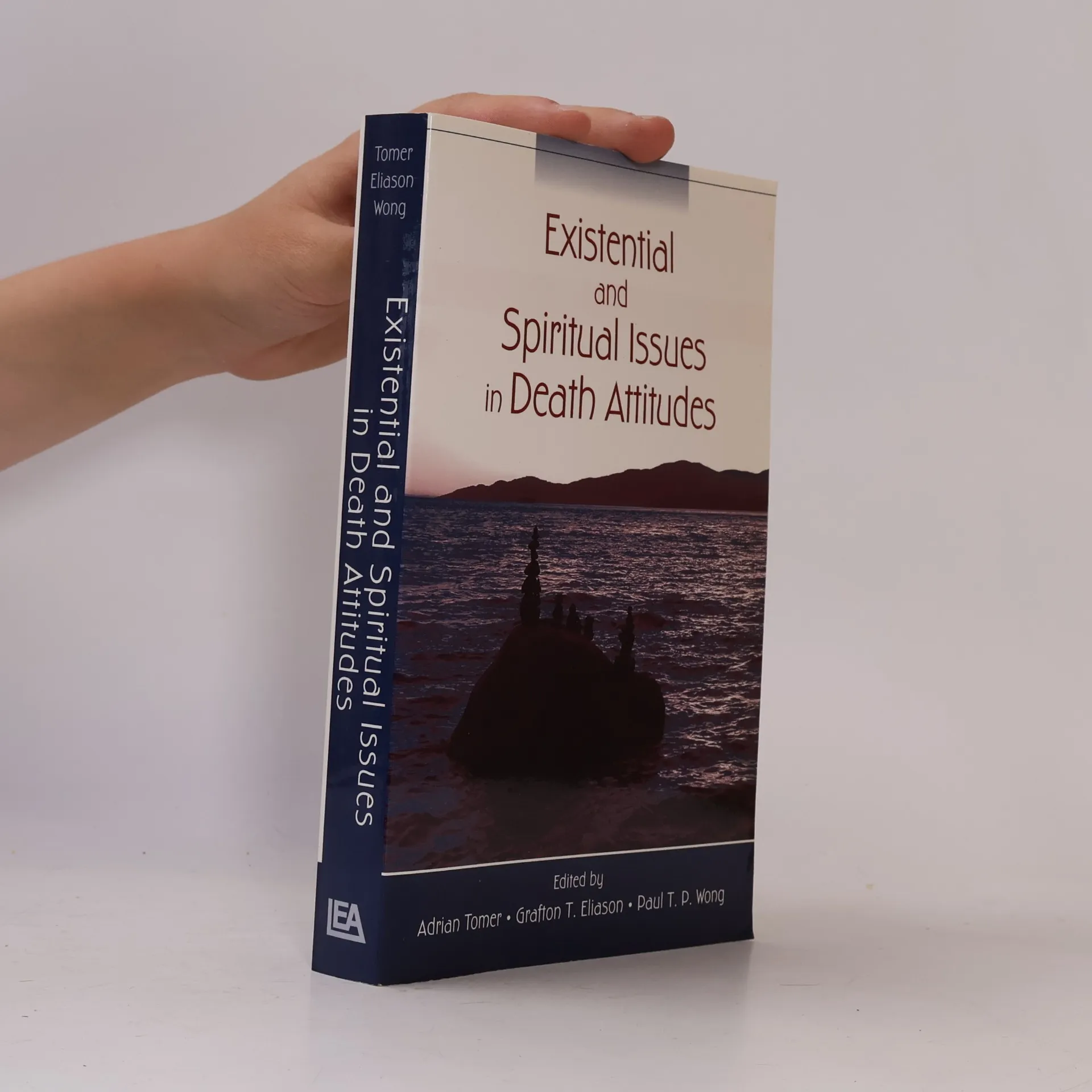
Existential and Spiritual Issues in Death Attitudes, Adrian Tomer, Grafton T. Eliason, Paul T. P. Wong
- Język

- Rok wydania
- 2008
- Oprawa
- (miękka),
- Stan książki
- Dobry
- Cena
- 24,83 zł
Metody płatności
Nikt jeszcze nie ocenił.
- Tytuł
- Existential and Spiritual Issues in Death Attitudes
- Język
- angielski
- Wydawca
- Psychology Press
- Rok wydania
- 2008
- Oprawa
- miękka
- Liczba stron
- 492
- ISBN10
- 0805852727
- ISBN13
- 9780805852721
- Seria
- Kategorie
- Tagi
- Biznes, Tematyka psychologiczna, Tematy religijne, Tematyka filozoficzna, Duchowość, Relacje, Tematyka medyczna, Śmierć, Dziki Zachód, Teorie naukowe, Umysł & Ciało, Samobójstwo, Okrucieństwo & Terror, Zaburzenia lękowe, Aspekty psychologiczne
- Opis
- This volume offers a comprehensive exploration of death attitudes, existentialism, and spirituality, highlighting their interconnections. It reviews major theoretical models and applies them clinically to issues like infertility, bereavement, anxiety, and suicide. The text introduces meaning management theory, demonstrating its relevance in grief counseling. Death is examined as both a challenge to meaning and a chance to create it. The first section connects empirical research on death attitudes with philosophical and psychological literature on existentialism and spirituality. Part II presents recent empirical studies on topics such as end-of-life decisions and living with HIV. The final section addresses therapeutic applications for suicide, infertility, bereavement, and anxiety. The concluding chapter identifies common themes and poses questions for deeper exploration of critical issues. This resource is valuable for psychologists, counselors, social workers, physicians, nurses, and religious leaders, as well as academics in psychology, gerontology, philosophy, religion, counseling, social work, sociology, and medicine. Summaries of key ideas in each chapter make it suitable for courses on death, dying, and spirituality, while its clinical applications will resonate with practicing professionals.