


Parametry
- 272 strony
- 10 godzin czytania
Więcej o książce
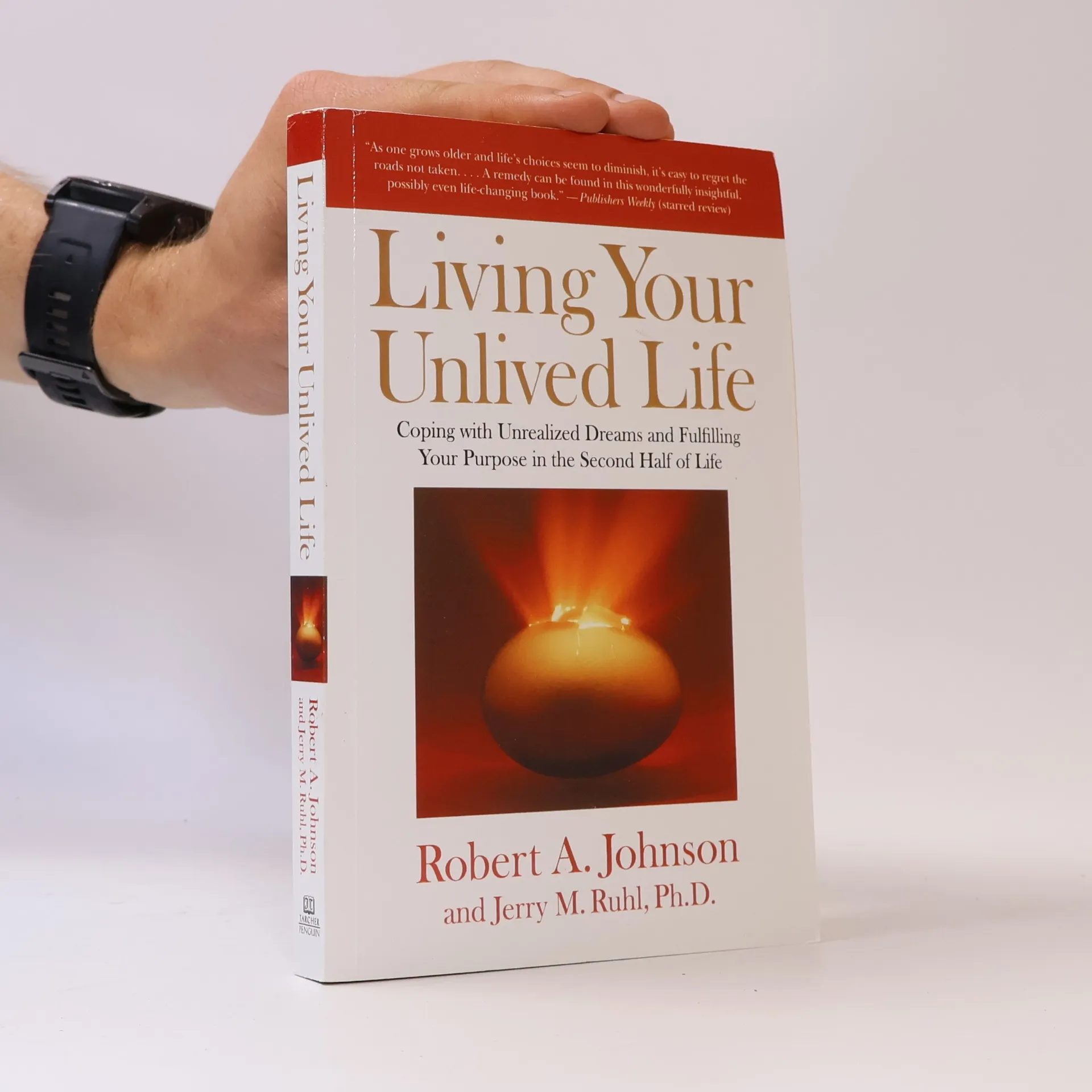
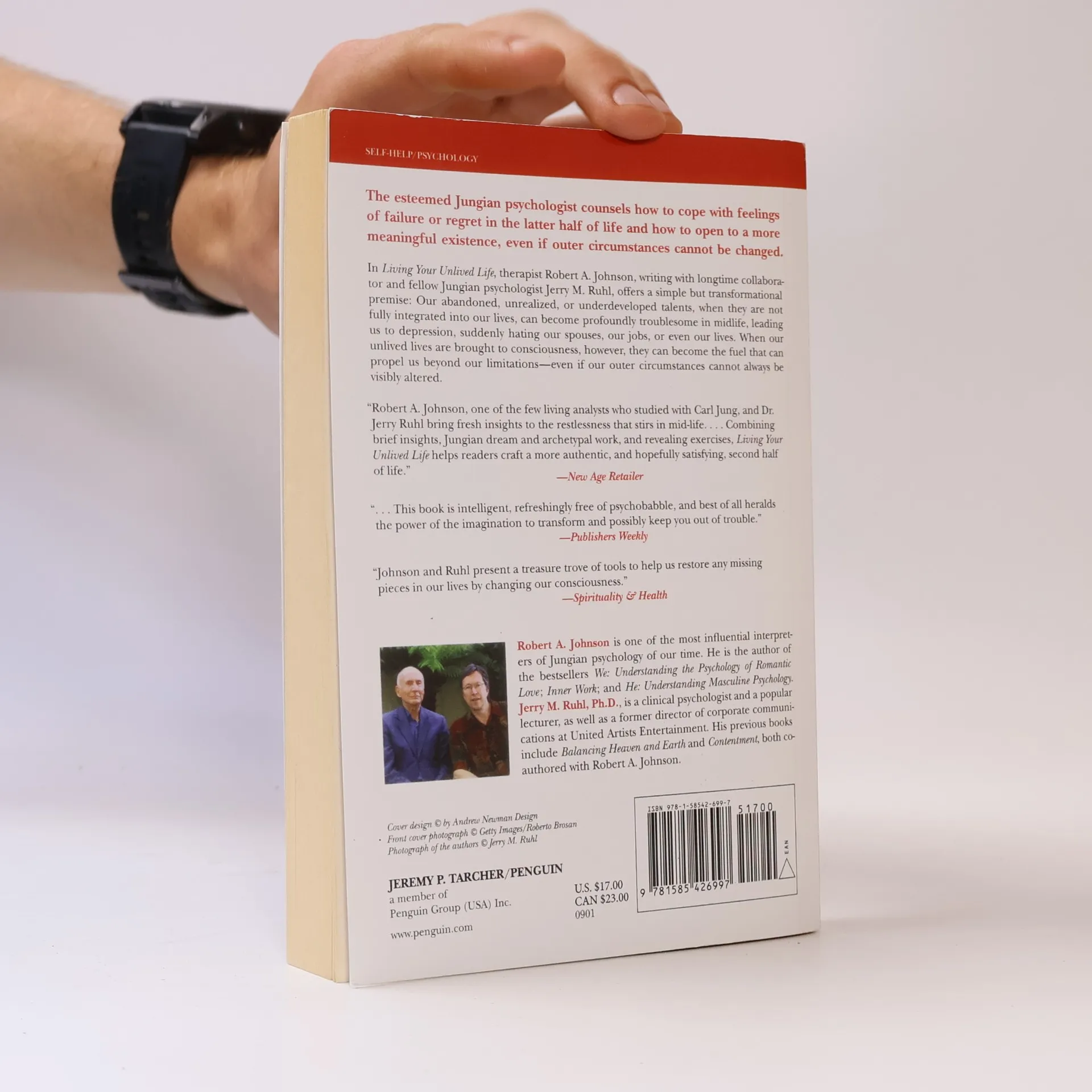
The esteemed Jungian psychologist counsels on how to cope with feelings of failure or regret in the latter half of life and how to open to a more meaningful existence, even if outer circumstances cannot be changed. In Living Your Unlived Life, the renowned therapist Robert A. Johnson, writing with longtime collaborator and fellow Jungian psychologist Jerry M. Ruhl, offers a simple but transformative premise: Our abandoned, unrealized, or underdeveloped talents, when they are not fully integrated into our lives, can become profoundly troublesome in midlife, leading us to depression, suddenly hating our spouses, our jobs, or even our lives. When our unlived lives are brought to consciousness, however, they can become the fuel that can propel us beyond our limitations?even if our outer circumstances cannot always be visibly altered.
Zakup książki
Living Your Unlived Life, Robert A. Johnson, Jerry M. Ruhl
- Język

- Rok wydania
- 2009
- Oprawa
- (miękka)
Metody płatności
Nikt jeszcze nie ocenił.
- Tytuł
- Living Your Unlived Life
- Podtytuł
- Coping with Unrealized Dreams and Fulfilling Your Purpose in the Second Half of Life
- Język
- angielski
- Autorzy
- Robert A. Johnson, Jerry M. Ruhl
- Wydawca
- Penguin Putnam Inc
- Rok wydania
- 2009
- Oprawa
- miękka
- Liczba stron
- 272
- ISBN10
- 1585426997
- ISBN13
- 9781585426997
- Seria
- Kategorie
- Tagi
- Tematyka psychologiczna, Poradniki, Tematyka filozoficzna, Duchowość, USA, Zdrowie, Edukacja & Szkolnictwo, Śmierć, Życie, Zdrowie psychiczne, Szczęście, Psychoterapia, Uważność, Mózg, Starzenie się, Emerytura, Ludzka natura
- Opis
- The esteemed Jungian psychologist counsels on how to cope with feelings of failure or regret in the latter half of life and how to open to a more meaningful existence, even if outer circumstances cannot be changed. In Living Your Unlived Life, the renowned therapist Robert A. Johnson, writing with longtime collaborator and fellow Jungian psychologist Jerry M. Ruhl, offers a simple but transformative premise: Our abandoned, unrealized, or underdeveloped talents, when they are not fully integrated into our lives, can become profoundly troublesome in midlife, leading us to depression, suddenly hating our spouses, our jobs, or even our lives. When our unlived lives are brought to consciousness, however, they can become the fuel that can propel us beyond our limitations?even if our outer circumstances cannot always be visibly altered.