

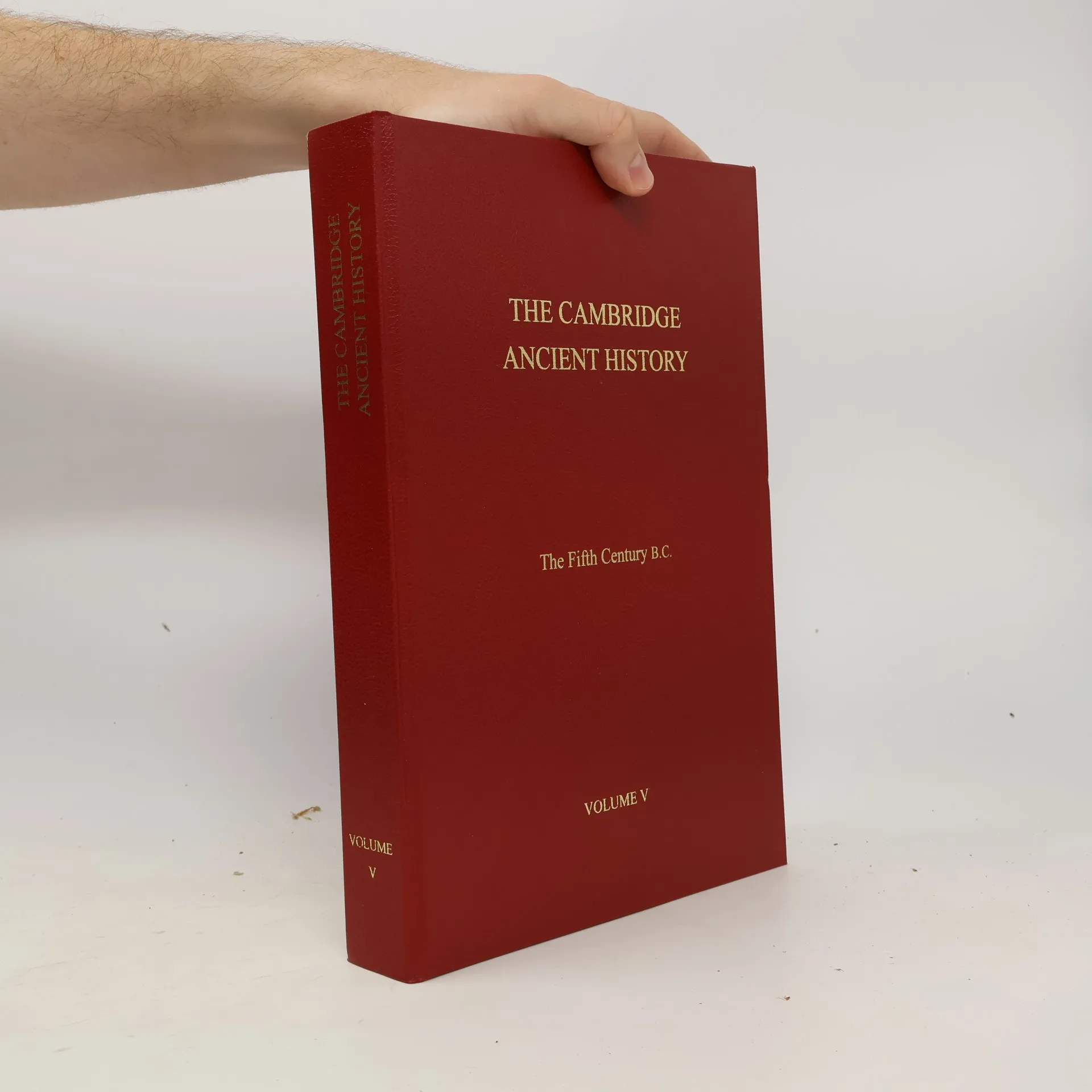

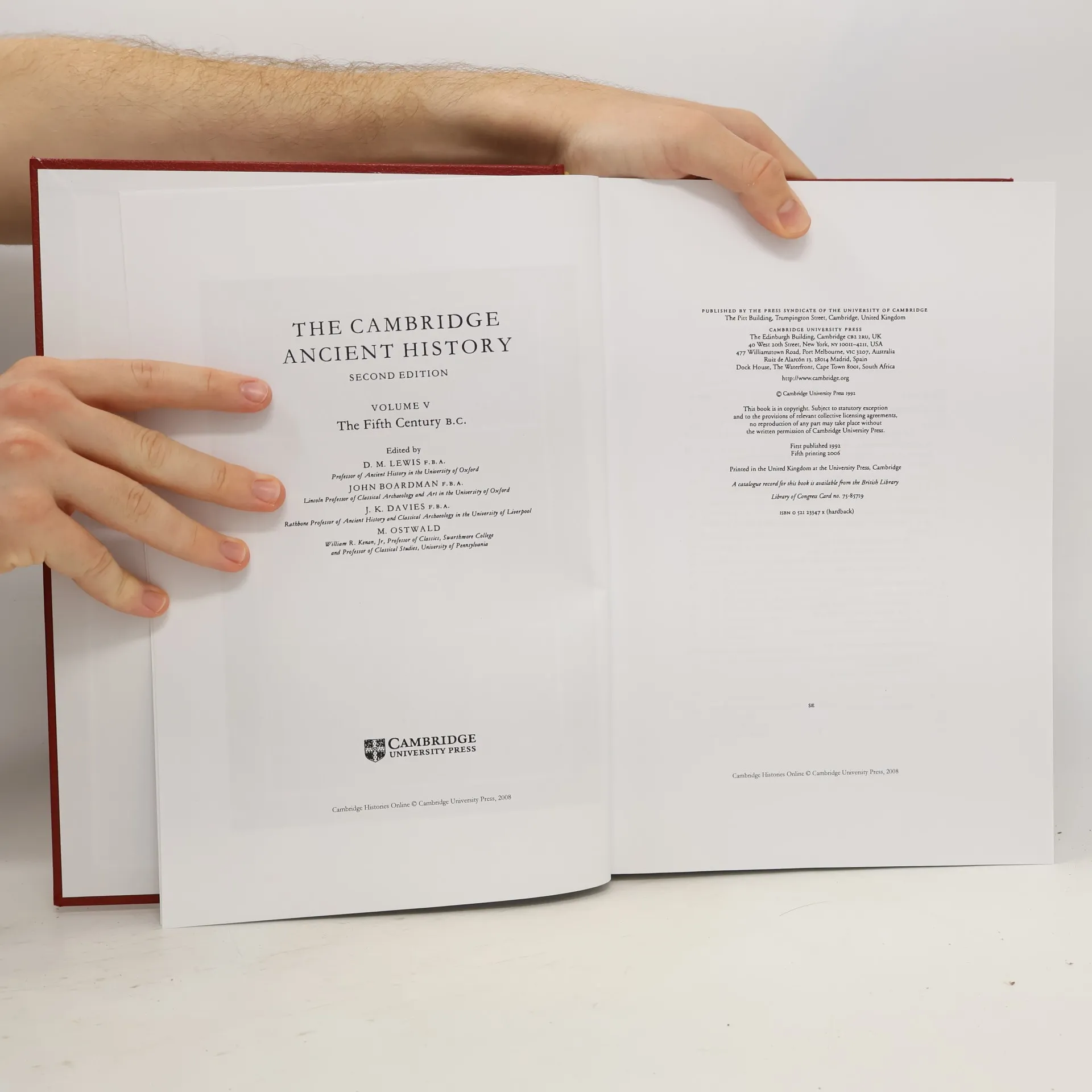
The Cambridge Ancient History, Volume 5
The Fifth Century B.C.
Autorzy
- John Boardman
- Mortimer Ostwald
- John Kenyon Davies
- David Malcolm Lewis
- Iorwerth Eiddon Stephen Edwards
- Cyril John Gadd
- Nicholas G. L. Hammond
- Frank William Walbank
- A. E. Astin
- Andrew William Lintott
- John Anthony Crook
- Alan K. Bowman
- Elizabeth Rawson
- Edward Champlin
- Peter Garnsey
- Dominic Rathbone
- Averil Cameron
- Bryan Ward-Perkins
- Michael Whitby
Więcej o książce
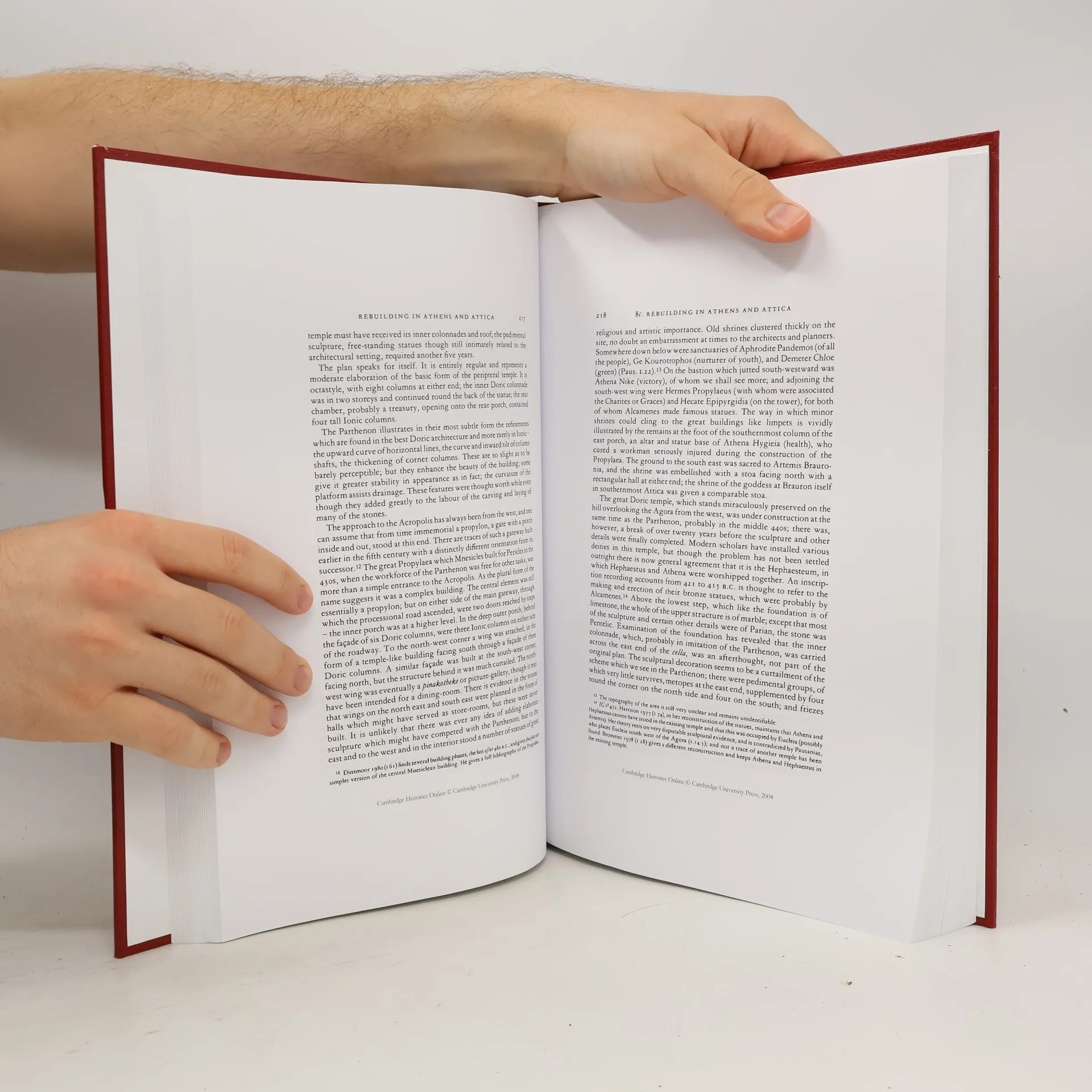
Volume V of the new edition of The Cambridge Ancient History encompasses the first classic age of European civilization—the fifth century B.C. This was the first and last period before the Romans in which great political and military power was located in the same place as cultural importance. This volume, therefore, is more narrowly focused geographically than its predecessors and successors, and hardly strays beyond Greece. Athens is at the center of the picture, both politically and culturally, but events and achievements elsewhere are assessed as carefully as the nature of our sources allows. Two series of narrative chapters, one on the growth of the Athenian empire and the development of Athenian democracy, the other on the Peloponnesian War that brought them down, are divided by a series of studies in which the artistic and literary achievements of the fifth century are described.
Zakup książki
The Cambridge Ancient History, Volume 5, John Boardman, Mortimer Ostwald, John Kenyon Davies, David Malcolm Lewis, Iorwerth Eiddon Stephen Edwards, Cyril John Gadd, Nicholas G. L. Hammond, Frank William Walbank, A. E. Astin, Andrew William Lintott, John Anthony Crook, Alan K. Bowman, Elizabeth Rawson, Edward Champlin, Peter Garnsey, Dominic Rathbone, Averil Cameron, Bryan Ward-Perkins, Michael Whitby
- Język

- Rok wydania
- 2006
- Oprawa
- (twarda),
- Stan książki
- Dobry
- Cena
- 214,22 zł
Metody płatności
Nikt jeszcze nie ocenił.
- Tytuł
- The Cambridge Ancient History, Volume 5
- Podtytuł
- The Fifth Century B.C.
- Język
- angielski
- Autorzy
- John Boardman, Mortimer Ostwald, John Kenyon Davies, David Malcolm Lewis, Iorwerth Eiddon Stephen Edwards, Cyril John Gadd, Nicholas G. L. Hammond, Frank William Walbank, A. E. Astin, Andrew William Lintott, John Anthony Crook, Alan K. Bowman, Elizabeth Rawson, Edward Champlin, Peter Garnsey, Dominic Rathbone, Averil Cameron, Bryan Ward-Perkins, Michael Whitby
- Wydawca
- Cambridge University Press
- Rok wydania
- 2006
- Oprawa
- twarda
- Liczba stron
- 620
- ISBN10
- 052123347X
- ISBN13
- 9780521233477
- Seria
- Kategorie
- Tagi
- Starożytność
- Opis
- Volume V of the new edition of The Cambridge Ancient History encompasses the first classic age of European civilization—the fifth century B.C. This was the first and last period before the Romans in which great political and military power was located in the same place as cultural importance. This volume, therefore, is more narrowly focused geographically than its predecessors and successors, and hardly strays beyond Greece. Athens is at the center of the picture, both politically and culturally, but events and achievements elsewhere are assessed as carefully as the nature of our sources allows. Two series of narrative chapters, one on the growth of the Athenian empire and the development of Athenian democracy, the other on the Peloponnesian War that brought them down, are divided by a series of studies in which the artistic and literary achievements of the fifth century are described.