


Parametry
- 594 strony
- 21 godzin czytania
Więcej o książce
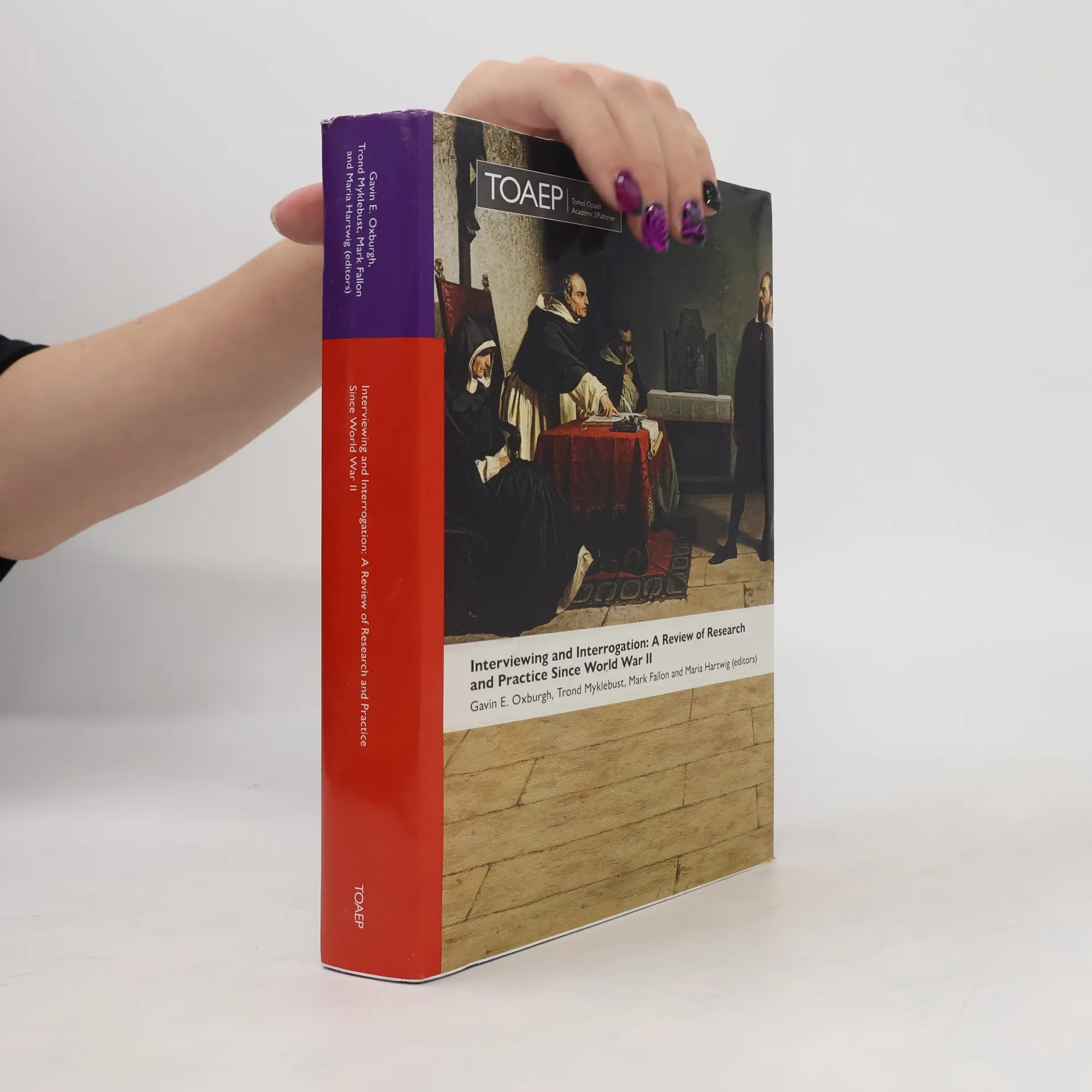
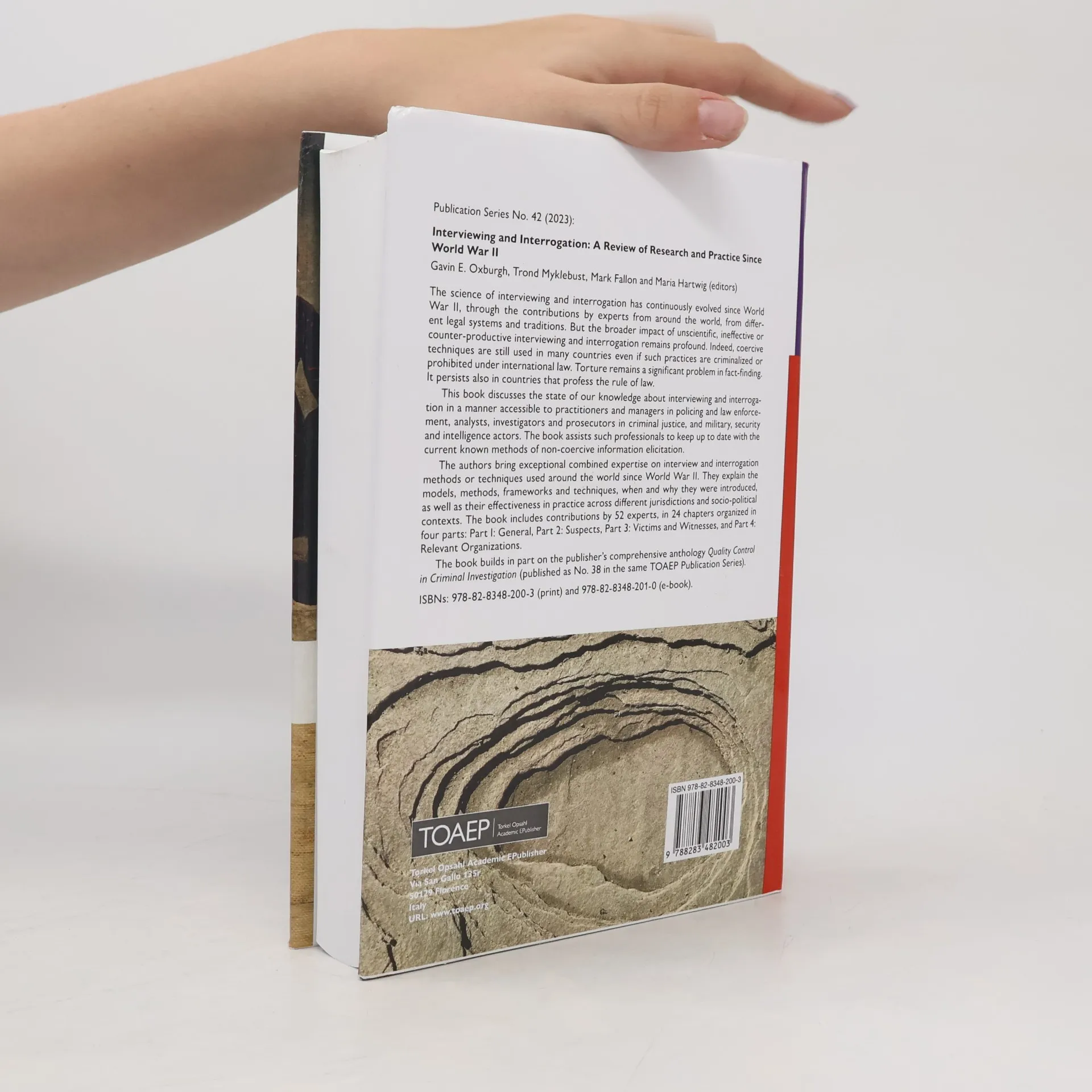
The science of interviewing and interrogation has evolved significantly since World War II, shaped by global experts from various legal traditions. However, the impact of unscientific, ineffective, or counter-productive methods remains profound, with coercive techniques still employed in many countries despite being criminalized under international law. Torture continues to hinder fact-finding, even in nations that uphold the rule of law. This book presents the current understanding of interviewing and interrogation in an accessible format for practitioners in policing, law enforcement, criminal justice, military, security, and intelligence. It helps these professionals stay informed about non-coercive information elicitation methods. The authors, with extensive expertise in global interview and interrogation techniques since World War II, detail models, frameworks, and their effectiveness across various jurisdictions and socio-political contexts. Featuring contributions from 52 experts across 24 chapters, the book is organized into four parts: General, Suspects, Victims and Witnesses, and Relevant Organizations. It builds on the publisher's anthology 'Quality Control in Criminal Investigation' (No. 38 in the TOAEP Publication Series).
Zakup książki
Interviewing and Interrogation, Gavin E. Oxburgh, Trond Myklebust, Mark Fallon, Maria Hartwig
- Język

- Rok wydania
- 2023
- Oprawa
- (twarda)
Metody płatności
Nikt jeszcze nie ocenił.
- Tytuł
- Interviewing and Interrogation
- Podtytuł
- A Review of Research and Practice Since World War II
- Język
- angielski
- Rok wydania
- 2023
- Oprawa
- twarda
- Liczba stron
- 594
- ISBN10
- 8283482009
- ISBN13
- 9788283482003
- Seria
- Kategorie
- Opis
- The science of interviewing and interrogation has evolved significantly since World War II, shaped by global experts from various legal traditions. However, the impact of unscientific, ineffective, or counter-productive methods remains profound, with coercive techniques still employed in many countries despite being criminalized under international law. Torture continues to hinder fact-finding, even in nations that uphold the rule of law. This book presents the current understanding of interviewing and interrogation in an accessible format for practitioners in policing, law enforcement, criminal justice, military, security, and intelligence. It helps these professionals stay informed about non-coercive information elicitation methods. The authors, with extensive expertise in global interview and interrogation techniques since World War II, detail models, frameworks, and their effectiveness across various jurisdictions and socio-political contexts. Featuring contributions from 52 experts across 24 chapters, the book is organized into four parts: General, Suspects, Victims and Witnesses, and Relevant Organizations. It builds on the publisher's anthology 'Quality Control in Criminal Investigation' (No. 38 in the TOAEP Publication Series).