

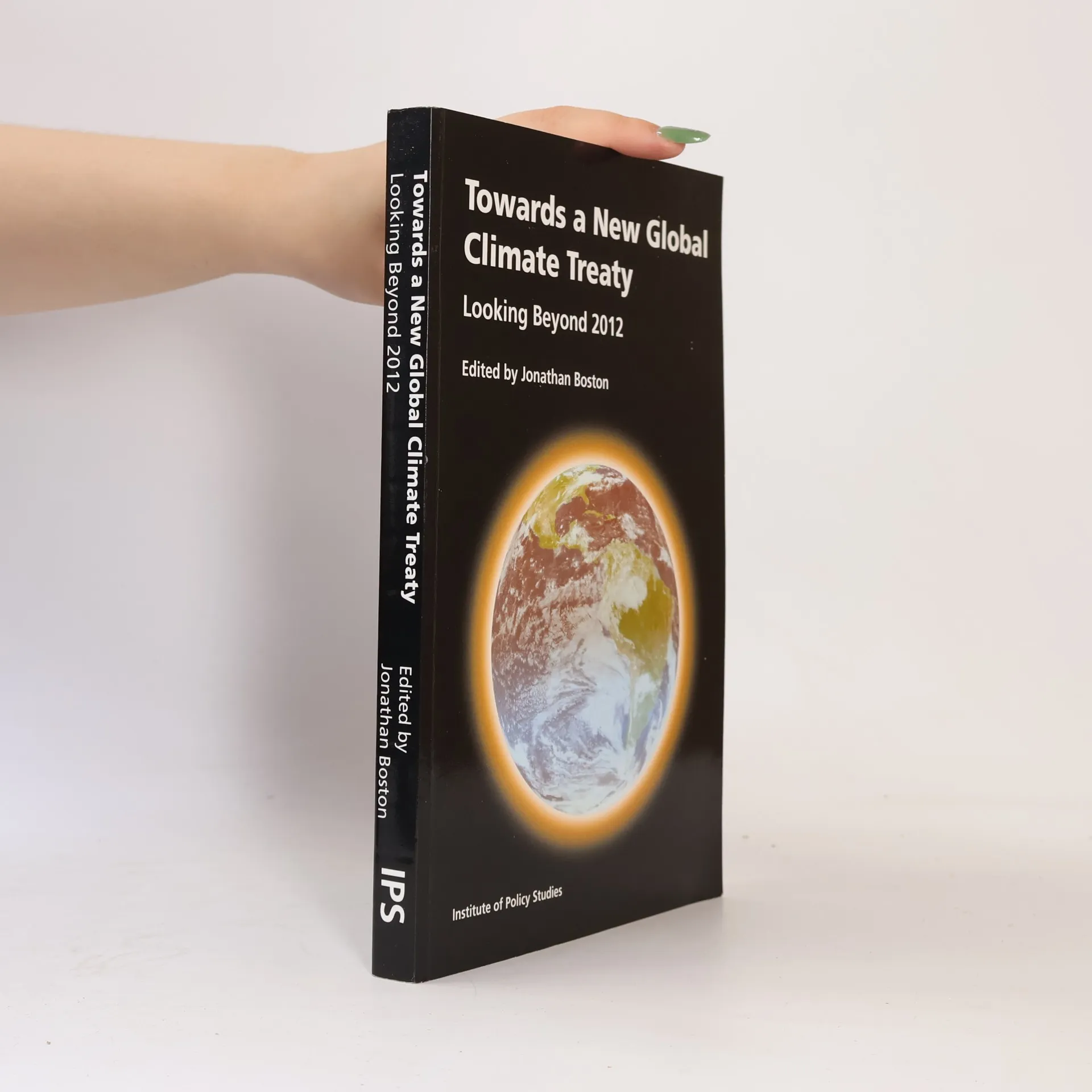


Parametry
- 258 stron
- 10 godzin czytania
Więcej o książce
Climate change presents significant ethical, political, economic, and technical challenges. While the global community has made initial efforts to tackle these issues, much more action is required. The Kyoto Protocol, established in 1997, mandates that industrialized nations reduce emissions by an average of 5% below 1990 levels during the first commitment period (2008-2012). Most developing nations and nearly all industrialized countries have ratified the Protocol, with Australia and the United States as exceptions. With the first commitment period nearing its end, the international community faces the urgent task of determining the appropriate policies and commitments necessary to reverse greenhouse gas emissions and assist nations in adapting to climate change's inevitable impacts. This book delves into the essential policy matters that must be addressed in upcoming negotiations for a post-2012 climate treaty, focusing on the implications for New Zealand, particularly in the energy, agricultural, and forestry sectors. It draws from a series of roundtable discussions held in mid-2007, sponsored by New Zealand government department executives and involving around 120 participants from various stakeholder groups and sectors. Contributors include notable experts such as Ralph Chapman, Pamela Chasek, and Adrian Macey.
Zakup książki
Towards a New Global Climate Treaty, Jonathan Boston
- Język

- Rok wydania
- 2007,
- Stan książki
- Dobry
- Cena
- 28,55 zł
Metody płatności
Nikt jeszcze nie ocenił.
- Tytuł
- Towards a New Global Climate Treaty
- Podtytuł
- Looking Beyond 2012
- Język
- angielski
- Autorzy
- Jonathan Boston
- Wydawca
- Institute of Policy Studies
- Rok wydania
- 2007
- Liczba stron
- 258
- ISBN10
- 1877347221
- ISBN13
- 9781877347221
- Seria
- Tagi
- Opis
- Climate change presents significant ethical, political, economic, and technical challenges. While the global community has made initial efforts to tackle these issues, much more action is required. The Kyoto Protocol, established in 1997, mandates that industrialized nations reduce emissions by an average of 5% below 1990 levels during the first commitment period (2008-2012). Most developing nations and nearly all industrialized countries have ratified the Protocol, with Australia and the United States as exceptions. With the first commitment period nearing its end, the international community faces the urgent task of determining the appropriate policies and commitments necessary to reverse greenhouse gas emissions and assist nations in adapting to climate change's inevitable impacts. This book delves into the essential policy matters that must be addressed in upcoming negotiations for a post-2012 climate treaty, focusing on the implications for New Zealand, particularly in the energy, agricultural, and forestry sectors. It draws from a series of roundtable discussions held in mid-2007, sponsored by New Zealand government department executives and involving around 120 participants from various stakeholder groups and sectors. Contributors include notable experts such as Ralph Chapman, Pamela Chasek, and Adrian Macey.