

Wyprzedane
Parametry
- 339 stron
- 12 godzin czytania
Więcej o książce
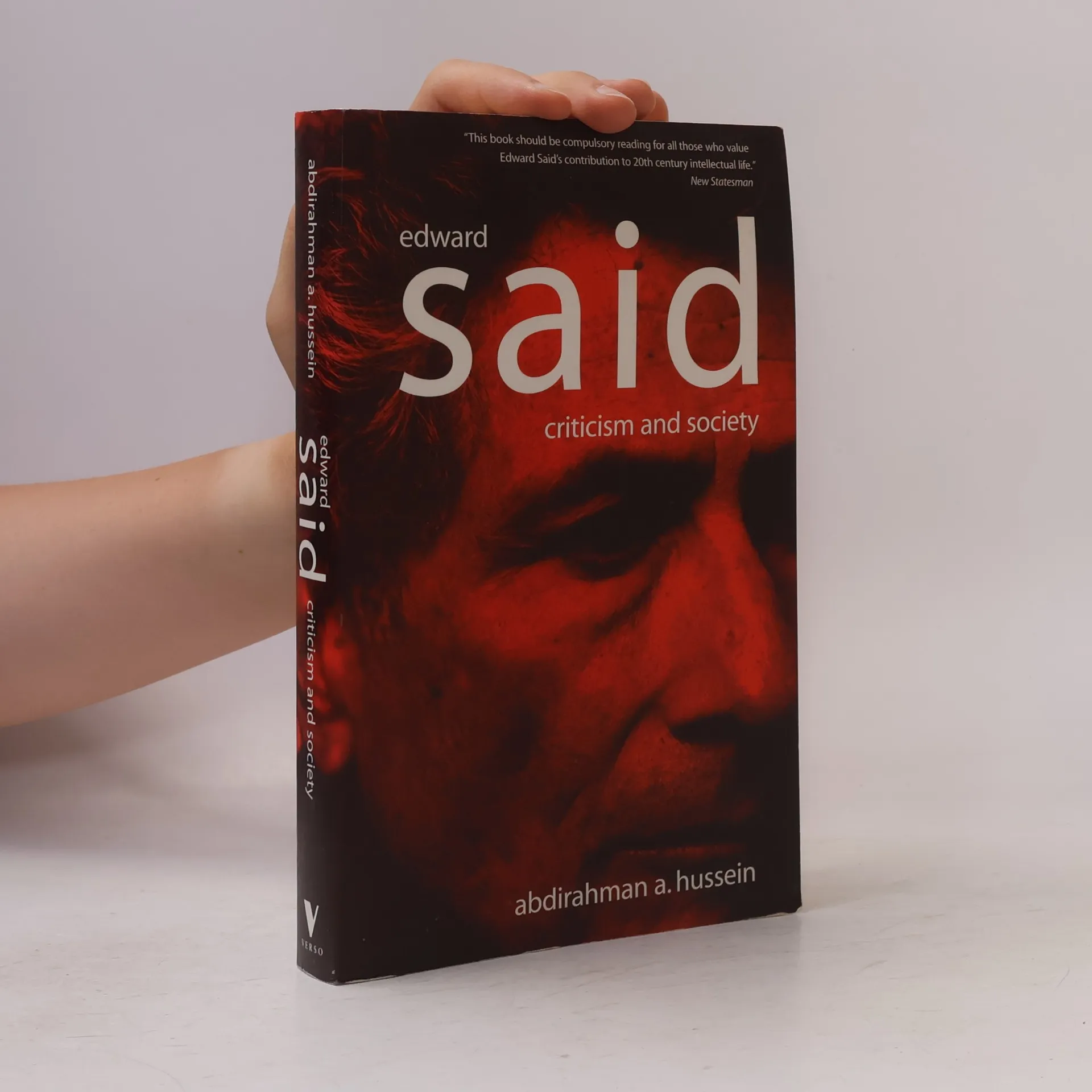
Few public intellectuals have had such a big impact outside the academy as Edward Said.This, the first full-length intellectual biography of the groundbreaking author of Orientalism , reveals some startling observations. Abdirahman Hussein argues that underneath Said’s carefully constructed eclecticism there is a global method in his work. Taking Beginnings as the key text Hussein asserts that the discontinuity of the Palestinian experience informs Said’s entire oeuvre but simultaneously transcends it in a permanent search for a new synthesis. Hussein argues that this informs Said’s approach not only to Conrad, Swift, and Eliot, but also to Lukács, Williams, Gramsci and Adorno.
Zakup książki
Edward Said, Abdirahman A. Hussein
- Język

- Rok wydania
- 2004
- Oprawa
- (miękka)
Jak tylko się pojawi, wyślemy Ci wiadomość e-mail.
Metody płatności
Nikt jeszcze nie ocenił.
- Tytuł
- Edward Said
- Podtytuł
- Criticism and Society
- Język
- angielski
- Autorzy
- Abdirahman A. Hussein
- Wydawca
- Verso
- Rok wydania
- 2004
- Oprawa
- miękka
- Liczba stron
- 339
- ISBN10
- 1859843905
- ISBN13
- 9781859843901
- Seria
- Kategorie
- Tagi
- Tematy historyczne, Biznes, Tematyka psychologiczna, Tematyka filozoficzna, Sztuka, Tematyka muzyczna, Duchowość, Polityka, USA, XX wiek, Wojny, Społeczeństwo, Wspomnienia, Anglia, Feminizm, Krytyka literacka, Pisanie, Inspiracje, XXI wiek, Okultyzm, Romantyzm, Marksizm, Rewolucja, Oświecenie, Emigracja & Wygnanie, Historia Rosji, Teoria literatury
- Opis
- Few public intellectuals have had such a big impact outside the academy as Edward Said.This, the first full-length intellectual biography of the groundbreaking author of Orientalism , reveals some startling observations. Abdirahman Hussein argues that underneath Said’s carefully constructed eclecticism there is a global method in his work. Taking Beginnings as the key text Hussein asserts that the discontinuity of the Palestinian experience informs Said’s entire oeuvre but simultaneously transcends it in a permanent search for a new synthesis. Hussein argues that this informs Said’s approach not only to Conrad, Swift, and Eliot, but also to Lukács, Williams, Gramsci and Adorno.