

Więcej o książce
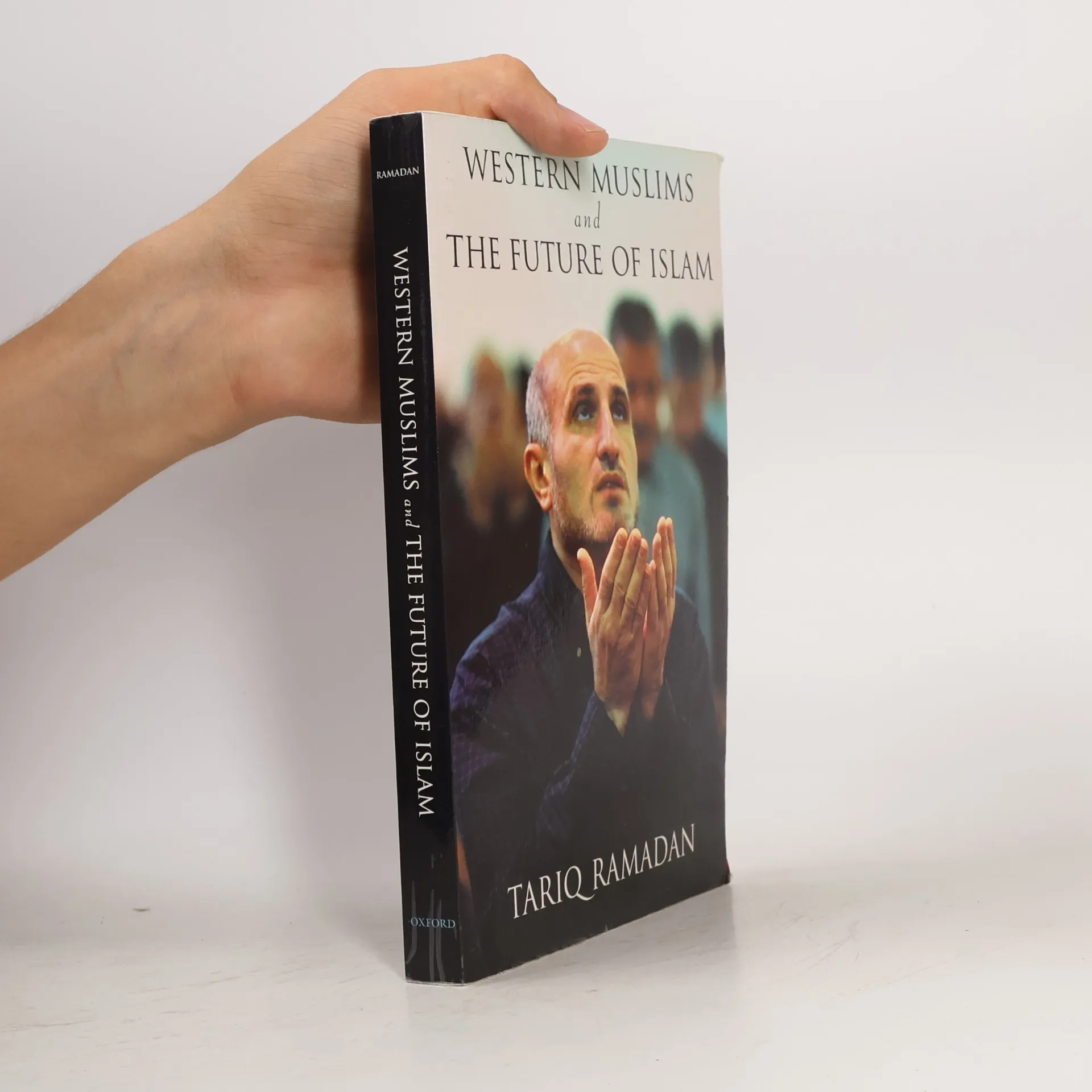
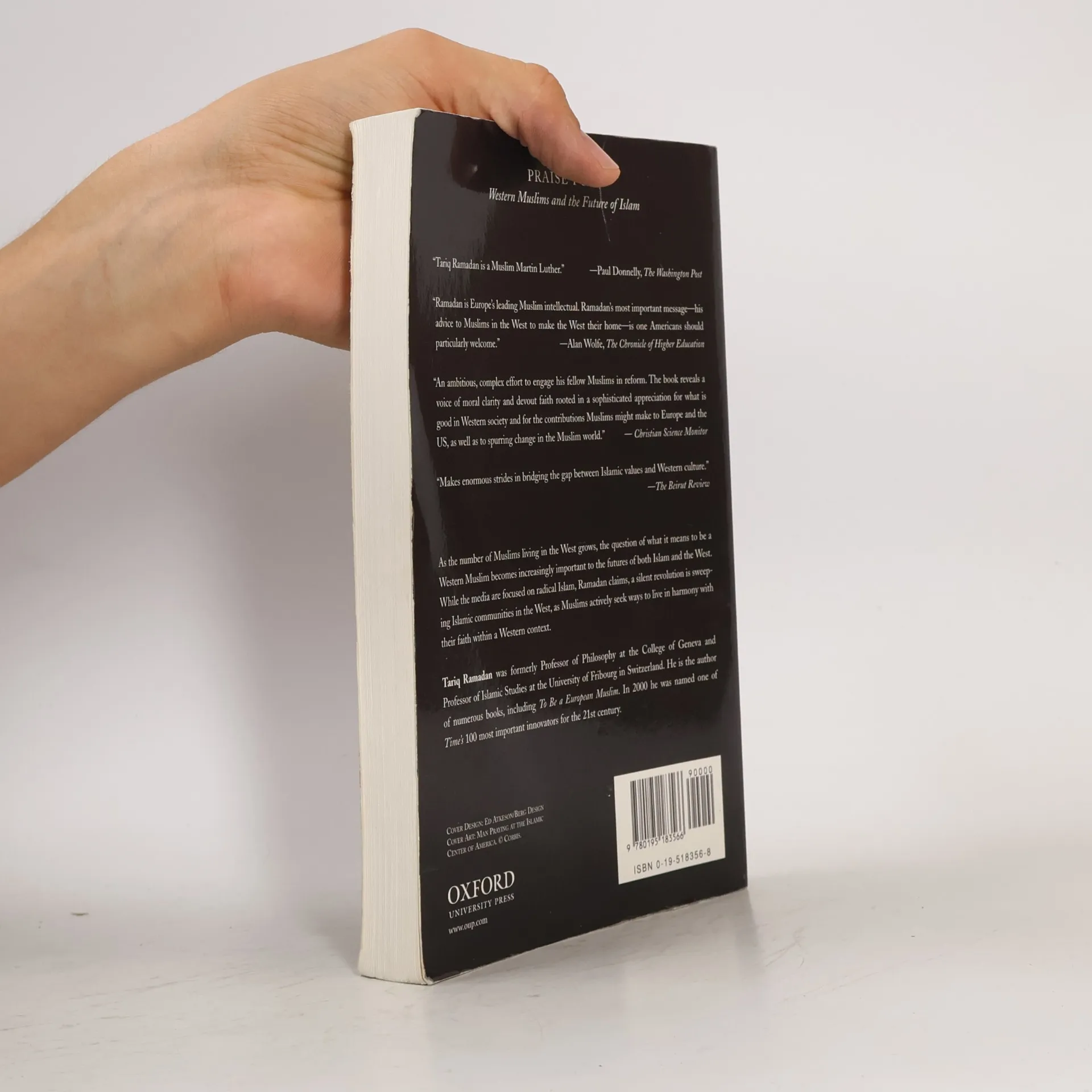
In a Western world increasingly focused on Islam, one pressing question emerges: where are the Muslim reformers? This ambitious volume positions Tariq Ramadan as a leading thinker and a vital voice in Islam. With the growing Muslim population in the West, understanding what it means to be a Western Muslim is crucial for the future of both Islam and the West. While media attention often centers on radical Islam, Ramadan highlights a silent revolution within Western Islamic communities, where Muslims are finding ways to harmonize their faith with Western life. Muslims from various backgrounds—French, English, German, and American—are reshaping their religion to align with both Islamic principles and Western cultural contexts. Ramadan's aim is to establish an independent Western Islam, rooted in the cultural realities of the West rather than traditional Islamic countries. He offers a fresh interpretation of Islamic sources for a Western audience, demonstrating how universal Islamic principles can facilitate integration into Western societies. He argues that Muslims can, and must, remain true to their beliefs while fully engaging in the civic life of secular Western societies. Grounded in scholarship, this work presents a bold vision for a new Muslim identity that moves beyond the notion of Islam as oppositional to the West.
Zakup książki
Western Muslims and the Future of Islam, Tariq Ramadan
- Język

- Rok wydania
- 2005
- Oprawa
- (miękka),
- Stan książki
- Dobry
- Cena
- 1,97 zł
Metody płatności
Nikt jeszcze nie ocenił.
- Tytuł
- Western Muslims and the Future of Islam
- Język
- angielski
- Autorzy
- Tariq Ramadan
- Wydawca
- Oxford University Press
- Rok wydania
- 2005
- Oprawa
- miękka
- Liczba stron
- 288
- ISBN10
- 0195183568
- ISBN13
- 9780195183566
- Seria
- Opis
- In a Western world increasingly focused on Islam, one pressing question emerges: where are the Muslim reformers? This ambitious volume positions Tariq Ramadan as a leading thinker and a vital voice in Islam. With the growing Muslim population in the West, understanding what it means to be a Western Muslim is crucial for the future of both Islam and the West. While media attention often centers on radical Islam, Ramadan highlights a silent revolution within Western Islamic communities, where Muslims are finding ways to harmonize their faith with Western life. Muslims from various backgrounds—French, English, German, and American—are reshaping their religion to align with both Islamic principles and Western cultural contexts. Ramadan's aim is to establish an independent Western Islam, rooted in the cultural realities of the West rather than traditional Islamic countries. He offers a fresh interpretation of Islamic sources for a Western audience, demonstrating how universal Islamic principles can facilitate integration into Western societies. He argues that Muslims can, and must, remain true to their beliefs while fully engaging in the civic life of secular Western societies. Grounded in scholarship, this work presents a bold vision for a new Muslim identity that moves beyond the notion of Islam as oppositional to the West.