

Więcej o książce
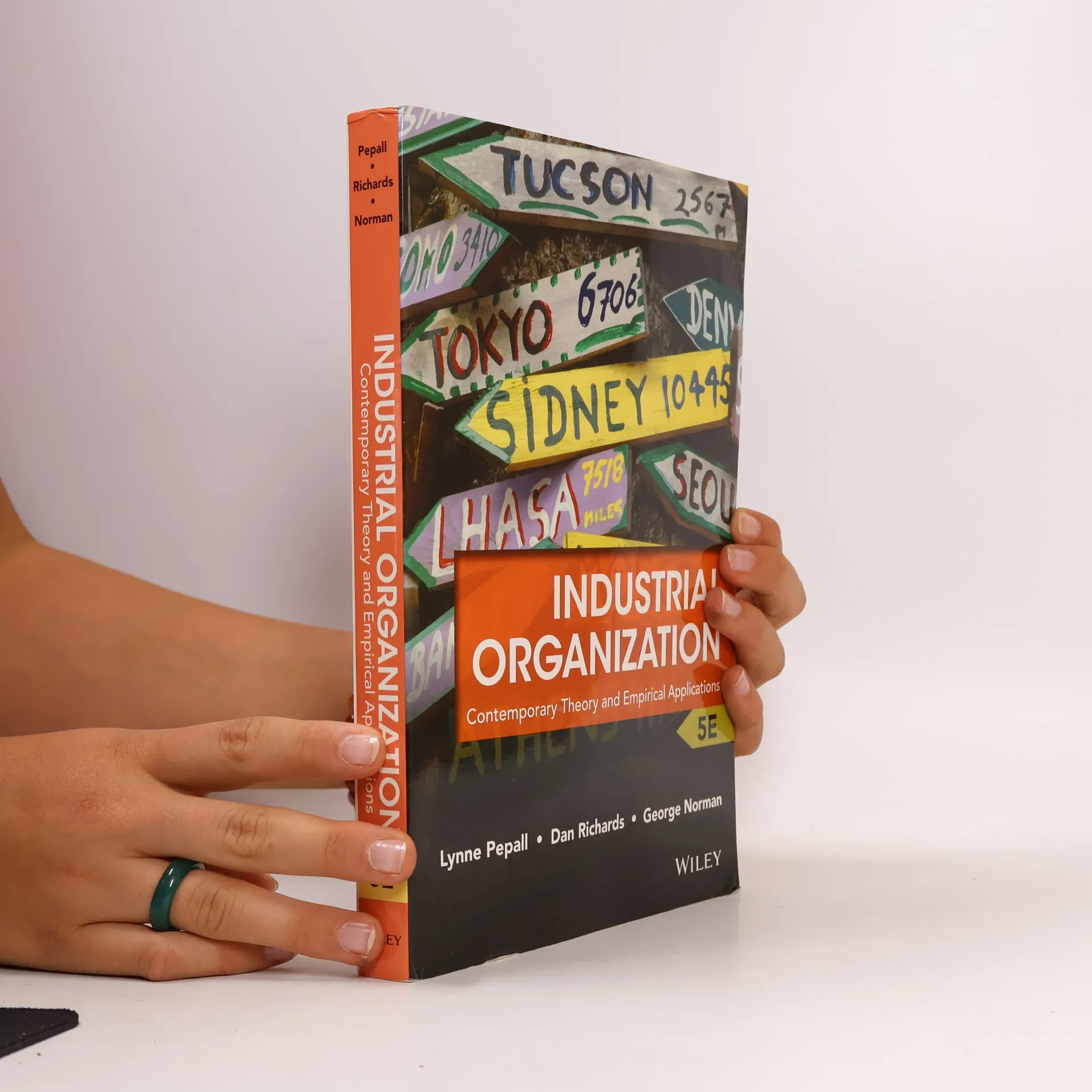
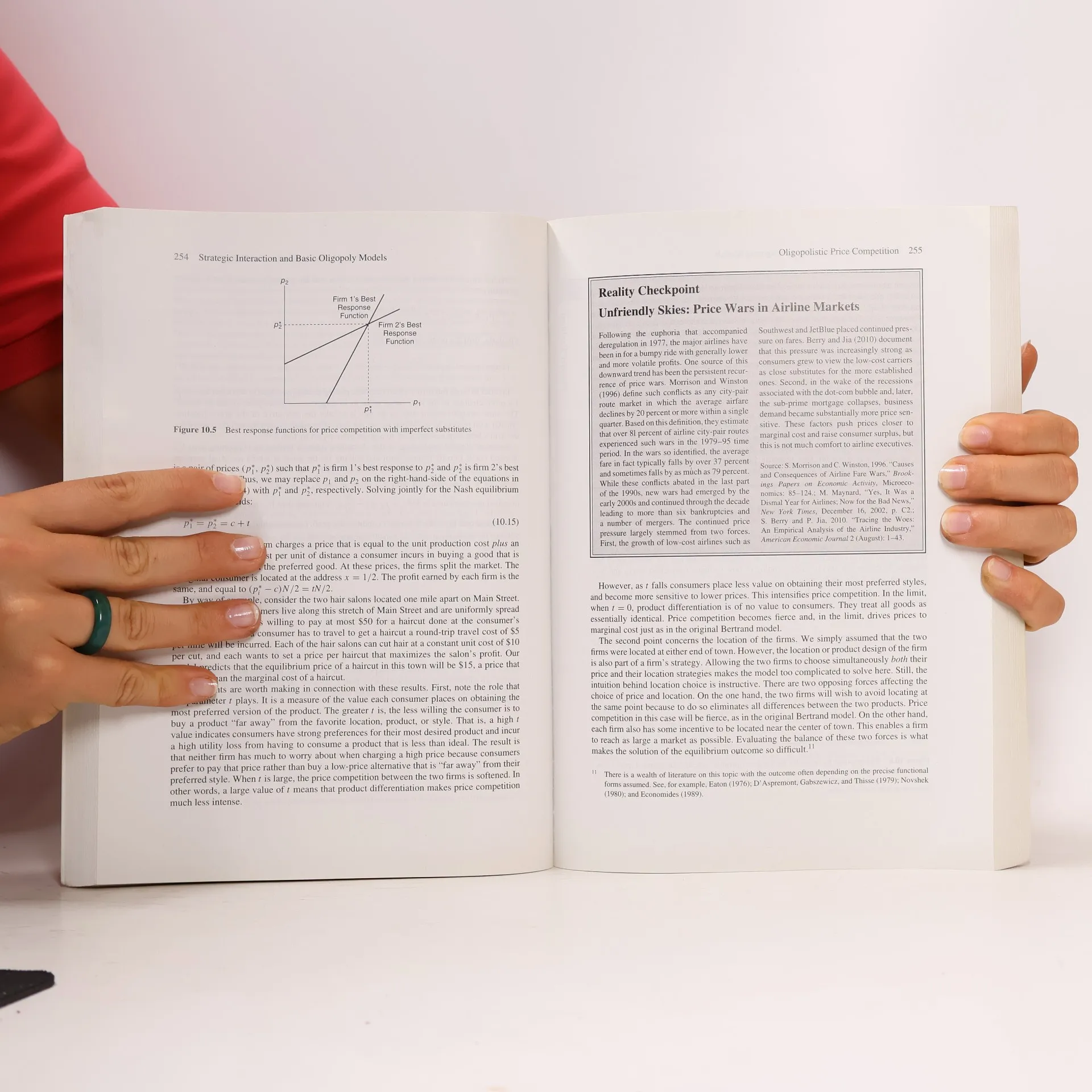
Pepall's Industrial Organization: Contemporary Theory and Empirical Applications, 5th Edition offers an accessible text in which topics are organized in a manner that motivates and facilitates progression from one chapter to the next. It serves as a complete, but concise, introduction to modern industrial economics. The text uniquely uses the tools of game theory, information economics, contracting issues, and practical examples to examine multiple facets of industrial organization. The fifth edition is more broadly accessible, balancing the tension between making modern industrial analysis accessible while also presenting the formal abstract modeling that gives the analysis its power. The more overtly mathematical content is presented in the Contemporary Industrial Organization text (aimed at the top tier universities) while this Fifth Edition will less mathematical (aimed at a wider range of four-year colleges and state universities.
Zakup książki
Industrial Organization, Lynne Pepall, Dan Richards, George Norman
- Język

- Rok wydania
- 2014
- Oprawa
- (miękka)
Metody płatności
Nikt jeszcze nie ocenił.
- Tytuł
- Industrial Organization
- Podtytuł
- Contemporary Theory and Empirical Applications - 5E
- Język
- angielski
- Autorzy
- Lynne Pepall, Dan Richards, George Norman
- Wydawca
- John Wiley & Sons Inc
- Rok wydania
- 2014
- Oprawa
- miękka
- Liczba stron
- 736
- ISBN10
- 1118250303
- ISBN13
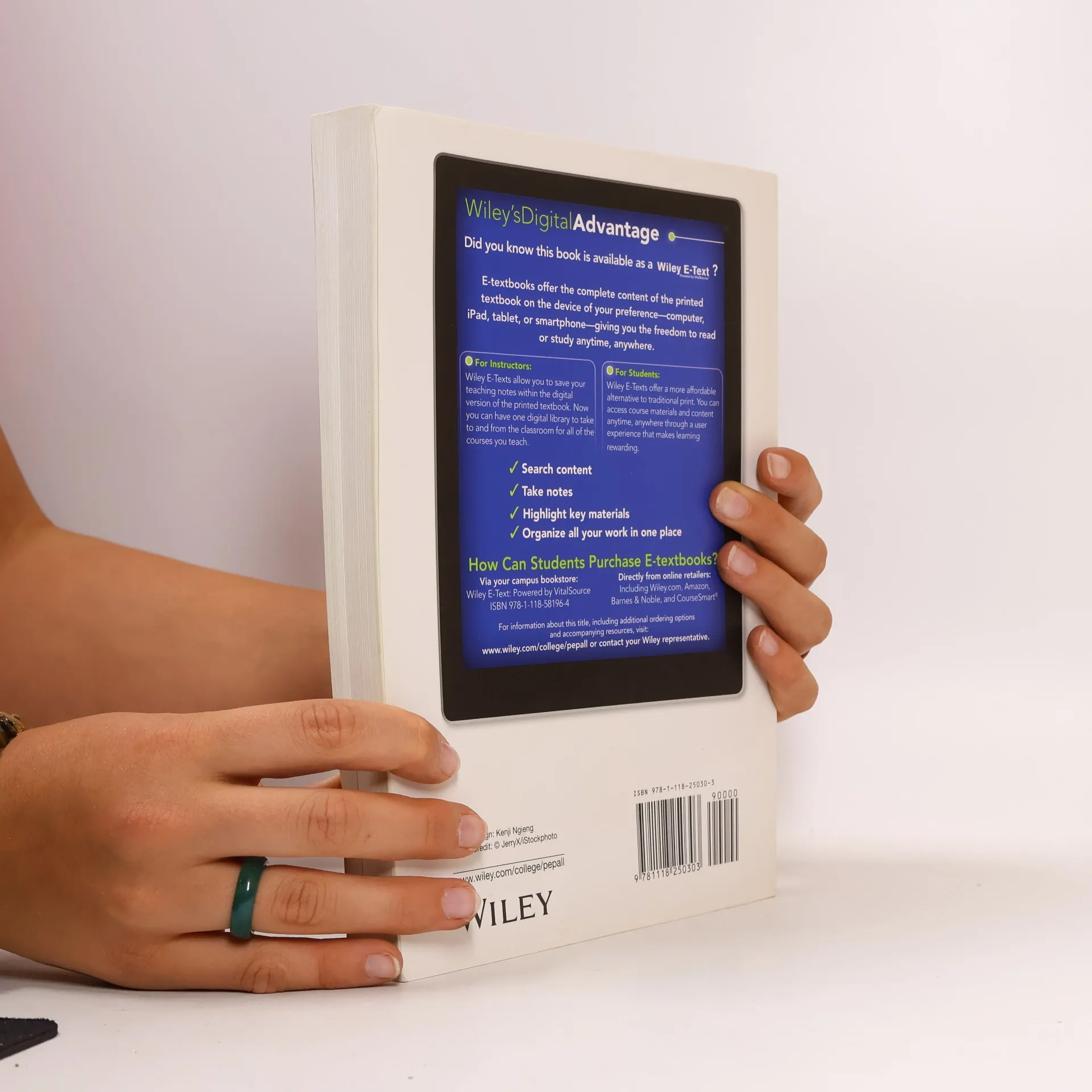
- 9781118250303
- Seria
- Tagi
- Podręczniki, Biznes, Szkoła
- Opis
- Pepall's Industrial Organization: Contemporary Theory and Empirical Applications, 5th Edition offers an accessible text in which topics are organized in a manner that motivates and facilitates progression from one chapter to the next. It serves as a complete, but concise, introduction to modern industrial economics. The text uniquely uses the tools of game theory, information economics, contracting issues, and practical examples to examine multiple facets of industrial organization. The fifth edition is more broadly accessible, balancing the tension between making modern industrial analysis accessible while also presenting the formal abstract modeling that gives the analysis its power. The more overtly mathematical content is presented in the Contemporary Industrial Organization text (aimed at the top tier universities) while this Fifth Edition will less mathematical (aimed at a wider range of four-year colleges and state universities.