


Parametry
- 436 stron
- 16 godzin czytania
Więcej o książce
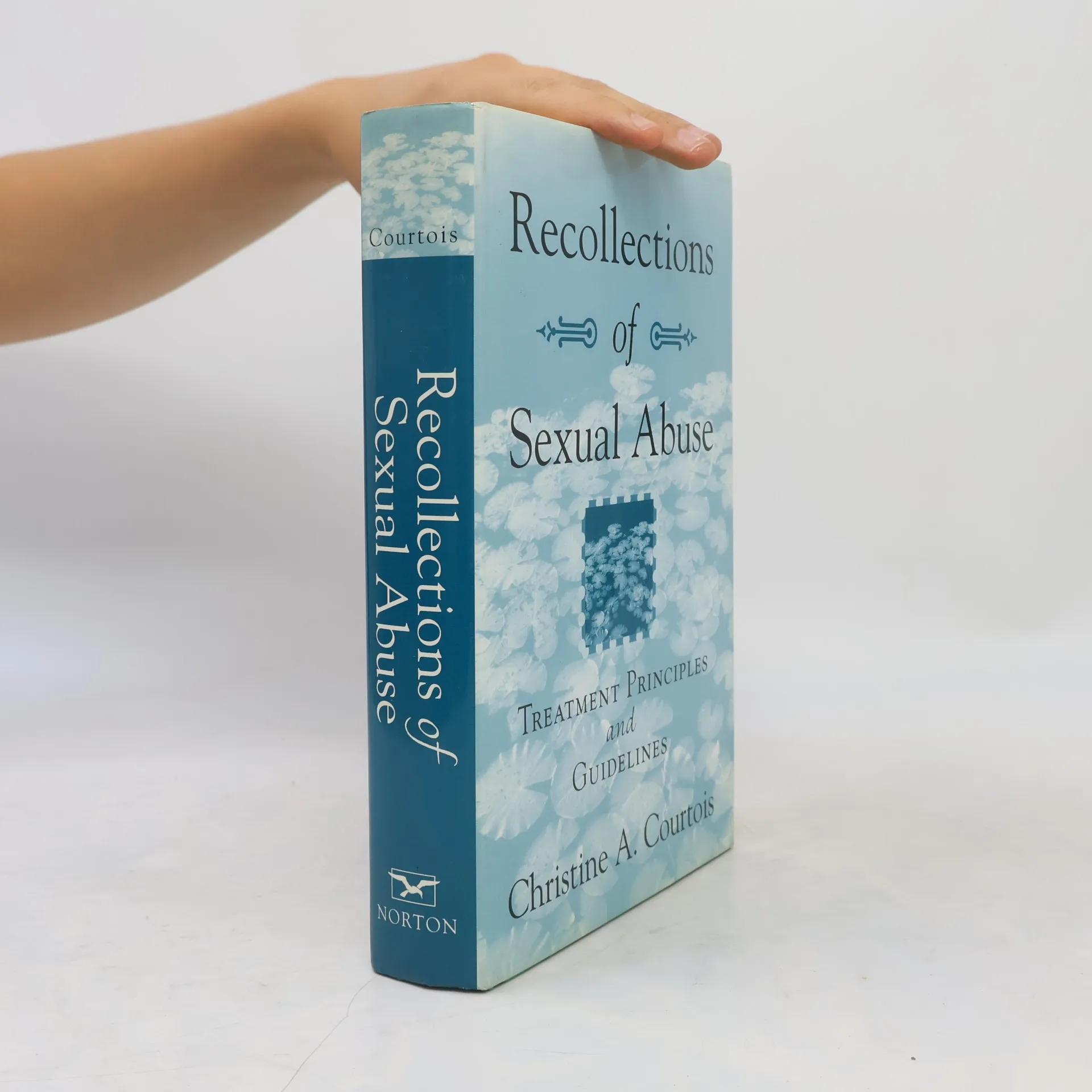
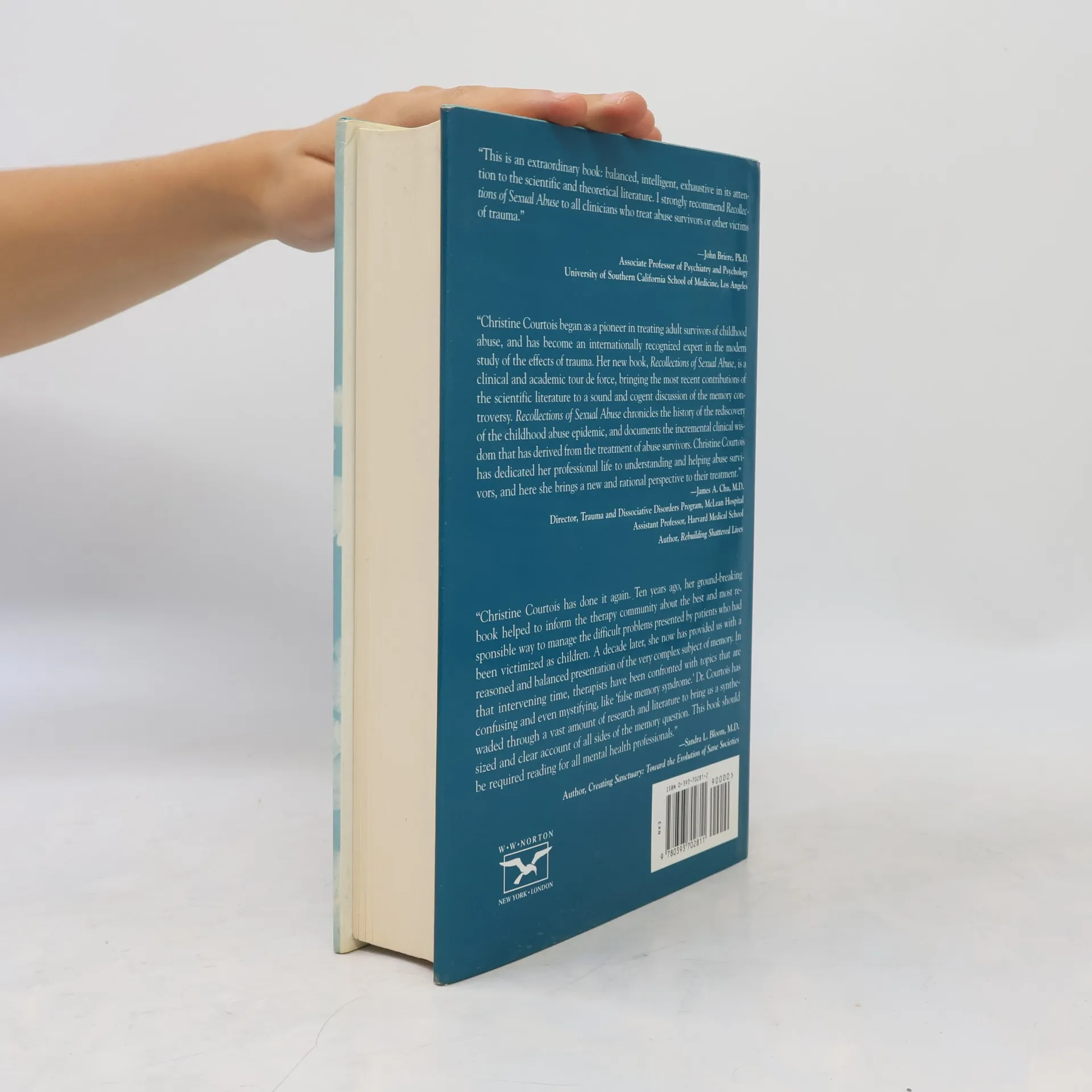
This book provides clinicians with treatment guidelines for addressing delayed or repressed memories of sexual abuse. It serves two main purposes: to inform practitioners about the ongoing controversy regarding these memories and to offer treatment principles for managing such cases. Since the recovered memory debate began in 1992, treating adults who report childhood abuse has become increasingly complex and risky, with many lawsuits claiming false memories due to suggestive therapy. This has led to fear and confusion among clinicians regarding responsible practices. Given that many individuals seeking therapy have a history of sexual abuse, it is crucial for all clinicians to understand the evolving standards of care for clients with such memories. The book synthesizes information from various sources to present state-of-the-art treatment principles and guidelines. It discusses empirical and clinical data on memory processes related to normal and traumatic events, critiques from cognitive psychologists on memory and suggestibility, and recommendations from professional task forces. Additionally, it features Courtois’s treatment decision model applied to various clinical scenarios, from corroborated memories to suspicions based on symptoms. With authority and empathy, Courtois equips clinicians to practice safely and responsibly while engaging in memory work, making her guidance invaluable.
Zakup książki
Recollections of Sexual Abuse, Christine A. Courtois
- Język

- Rok wydania
- 1999
- Oprawa
- (twarda),
- Stan książki
- Dobry
- Cena
- 26,62 zł
Metody płatności
Nikt jeszcze nie ocenił.
- Tytuł
- Recollections of Sexual Abuse
- Podtytuł
- Treatment Principles and Guidelines
- Język
- angielski
- Autorzy
- Christine A. Courtois
- Wydawca
- W. W. Norton & Company
- Rok wydania
- 1999
- Oprawa
- twarda
- Liczba stron
- 436
- ISBN10
- 0393702812
- ISBN13
- 9780393702811
- Seria
- Tagi
- Opis
- This book provides clinicians with treatment guidelines for addressing delayed or repressed memories of sexual abuse. It serves two main purposes: to inform practitioners about the ongoing controversy regarding these memories and to offer treatment principles for managing such cases. Since the recovered memory debate began in 1992, treating adults who report childhood abuse has become increasingly complex and risky, with many lawsuits claiming false memories due to suggestive therapy. This has led to fear and confusion among clinicians regarding responsible practices. Given that many individuals seeking therapy have a history of sexual abuse, it is crucial for all clinicians to understand the evolving standards of care for clients with such memories. The book synthesizes information from various sources to present state-of-the-art treatment principles and guidelines. It discusses empirical and clinical data on memory processes related to normal and traumatic events, critiques from cognitive psychologists on memory and suggestibility, and recommendations from professional task forces. Additionally, it features Courtois’s treatment decision model applied to various clinical scenarios, from corroborated memories to suspicions based on symptoms. With authority and empathy, Courtois equips clinicians to practice safely and responsibly while engaging in memory work, making her guidance invaluable.