

Parametry
- 340 stron
- 12 godzin czytania
Więcej o książce
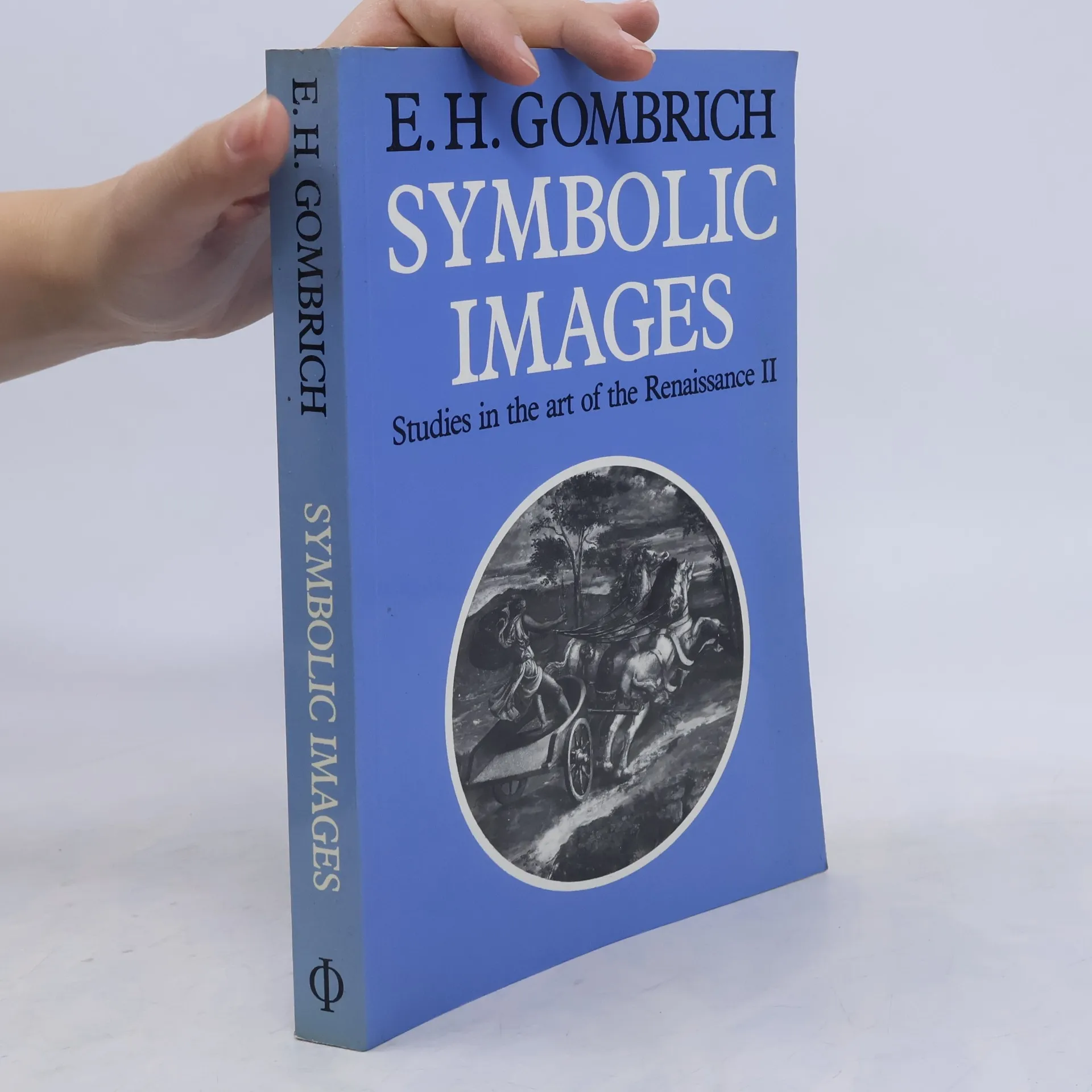
In this second volume of his classic essays on the Renaissance, E H Gombrich focuses on a theme of central importance: visual symbolism. He opens with a searching introduction ('The Aims and Limits of Iconology'), and follows with detailed studies of Botticelli, Mantegna, Raphael, Poussin and others. The volume concludes with an extended study of the philosophies of symbolism, demonstrating that the ideas which preoccupied the philosophers of the Renaissance are still very much alive today.Like its predecessor, Norm and Form, this volume is indispensable for all students of Renaissance art and thought as a work that has itself helped to shape the evolving discipline of art history. Reflecting the author's abiding concern with standards, values and problems of method, it also has a wider interest as an introduction to the fundamental questions involved in the interpretation of images.
Zakup książki
Gombrich On The Renaissance - 2: Symbolic Images, E.H. Gombrich, Leonie Gombrich
- Język

- Rok wydania
- 1985
- Oprawa
- (miękka)
Metody płatności
Nikt jeszcze nie ocenił.
- Tytuł
- Gombrich On The Renaissance - 2: Symbolic Images
- Podtytuł
- Studies in the Art of the Renaissance
- Język
- angielski
- Autorzy
- E.H. Gombrich, Leonie Gombrich
- Wydawca
- Phaidon Press
- Rok wydania
- 1985
- Oprawa
- miękka
- Liczba stron
- 340
- ISBN10
- 0714823813
- ISBN13
- 9780714823812
- Seria
- Kategorie
- Tagi
- Tematy historyczne, Sztuka, Historia sztuki, Zachodnia Europa, Sztuka dekoracyjna, Sztuka renesansowa
- Opis
- In this second volume of his classic essays on the Renaissance, E H Gombrich focuses on a theme of central importance: visual symbolism. He opens with a searching introduction ('The Aims and Limits of Iconology'), and follows with detailed studies of Botticelli, Mantegna, Raphael, Poussin and others. The volume concludes with an extended study of the philosophies of symbolism, demonstrating that the ideas which preoccupied the philosophers of the Renaissance are still very much alive today.Like its predecessor, Norm and Form, this volume is indispensable for all students of Renaissance art and thought as a work that has itself helped to shape the evolving discipline of art history. Reflecting the author's abiding concern with standards, values and problems of method, it also has a wider interest as an introduction to the fundamental questions involved in the interpretation of images.