

Parametry
- 256 stron
- 9 godzin czytania
Więcej o książce
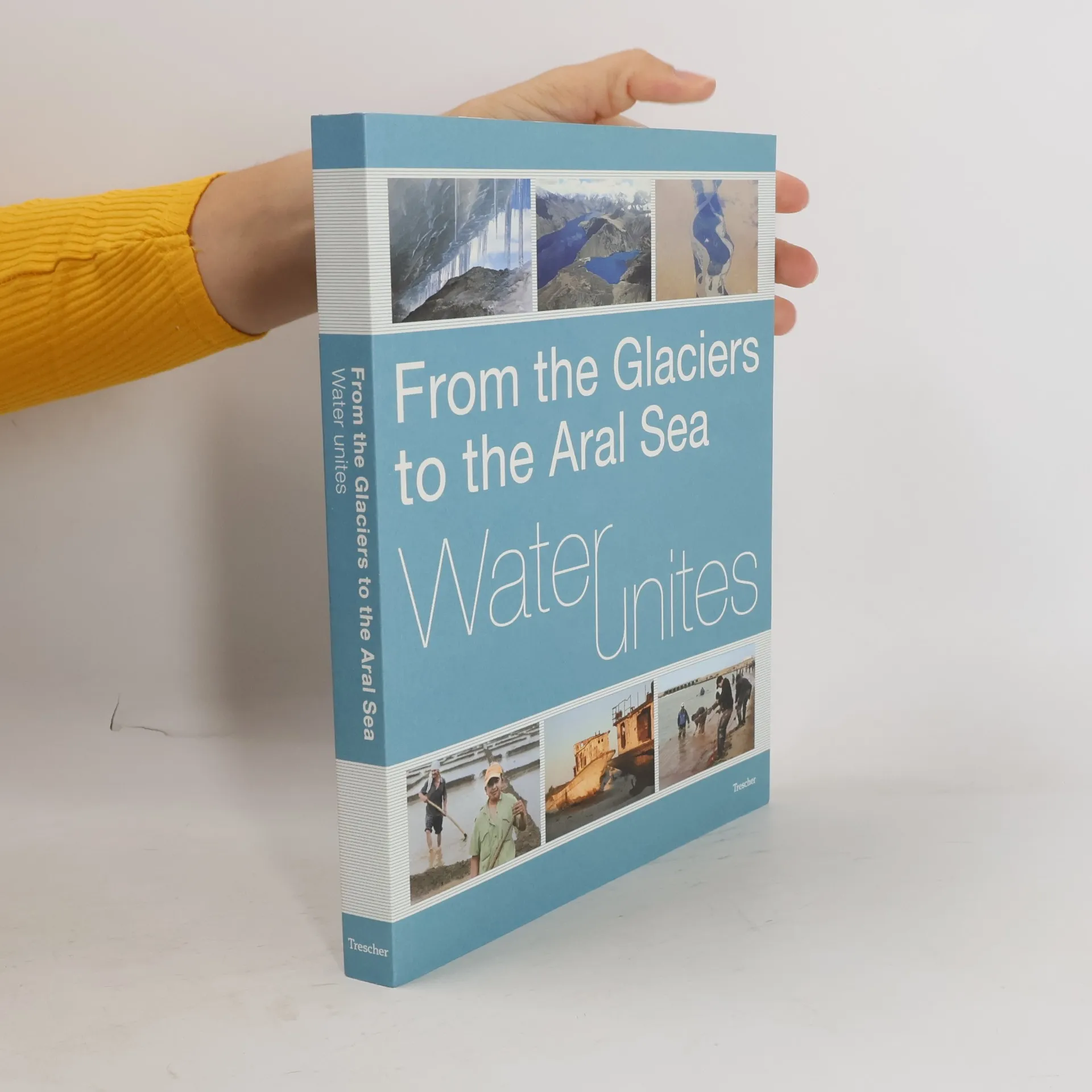
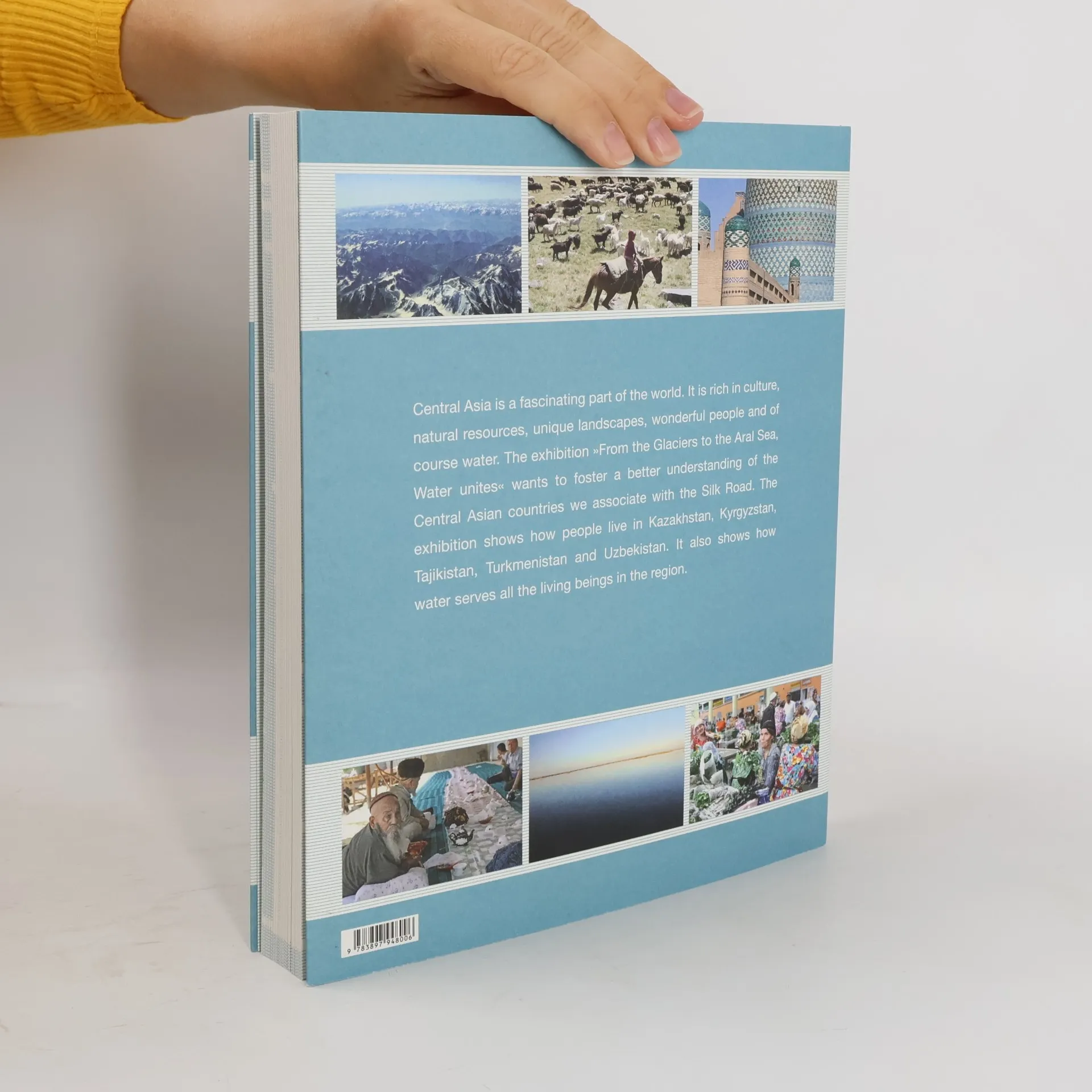
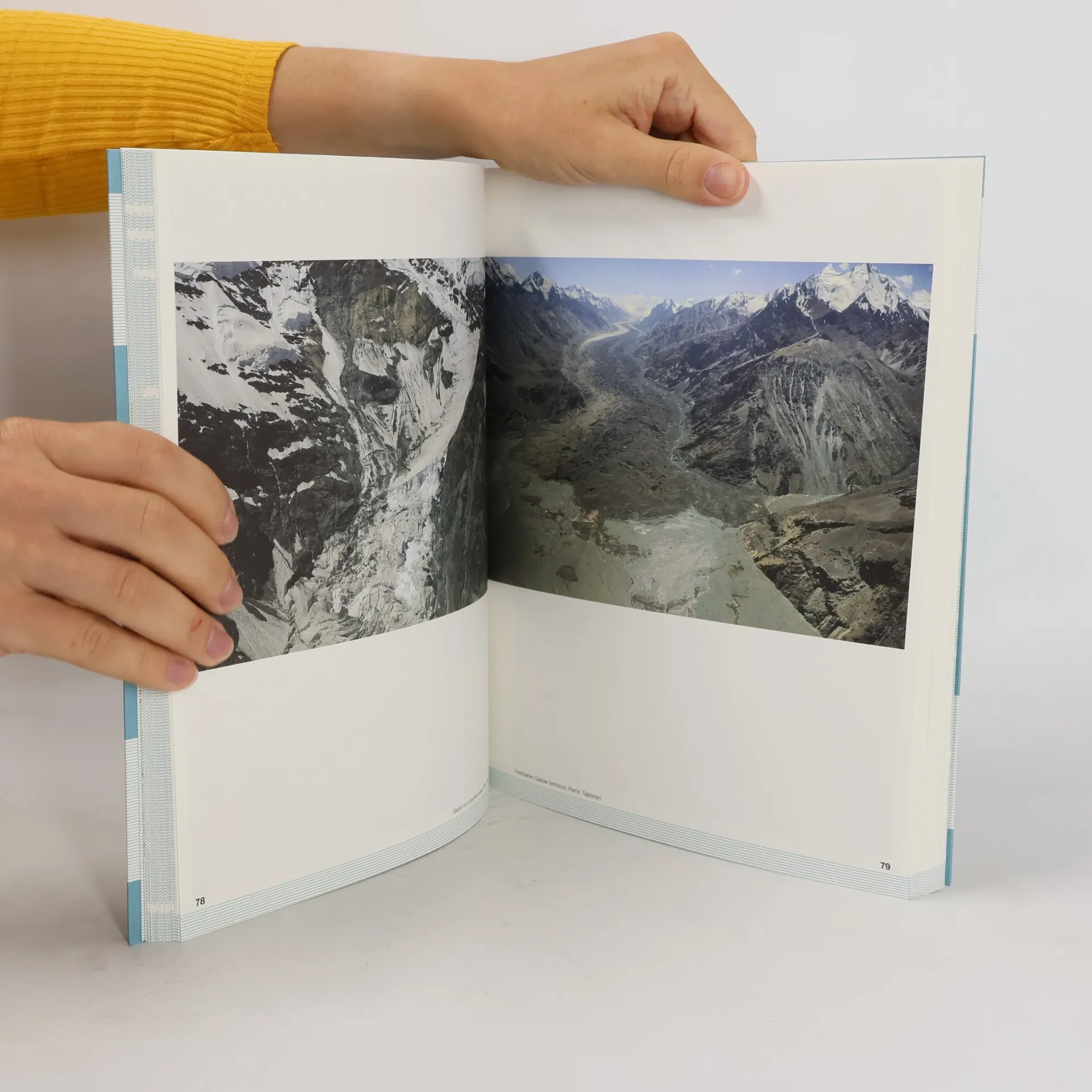
Central Asia is a fascinating part of the world. It is rich in culture, natural resources, unique landscapes, wonderful people and of course water. The exhibition catalogue "From the Glaciers to the Aral Sea - Water Unites" wants to foster a better understanding of the Central Asian countries we associate with the Silk Road. The exhibition shows how people live in Kazakhstan, Kyrgyzstan, Tajikistan, Turkmenistan and Uzbekistan. It also shows how water serves all the living beings in the region. The book has two parts: An analytical part, which contains background information on water and transboundary water resources management and a second part with photos, which aim to bring the region closer to the reader.
Zakup książki
From the Glaciers to the Aral Sea - Water Unites, Jenniver Sehring, Alfred Diebold
- Język

- Rok wydania
- 2012
- Oprawa
- (twarda),
- Stan książki
- Dobry
- Cena
- 39,13 zł
Metody płatności
Nikt jeszcze nie ocenił.
- Tytuł
- From the Glaciers to the Aral Sea - Water Unites
- Język
- angielski
- Autorzy
- Jenniver Sehring, Alfred Diebold
- Wydawca
- Trescher
- Rok wydania
- 2012
- Oprawa
- twarda
- Liczba stron
- 256
- ISBN10
- 3897948001
- ISBN13
- 9783897948006
- Seria
- Kategorie
- Tagi
- Publikacje fotograficzne, Technologia, Tematy ekologiczne, Azja, Krytyka literacka, Stosunki międzynarodowe, Związek Radziecki, Woda, Gospodarka wodna & Hydrologia, Afganistan, Lód & Lodowce, Syberia, Azja Środkowa, Kazachstan, Jedwabny Szlak, Uzbekistan, Kirgistan, Tadżykistan, Turkmenistan
- Opis
- Central Asia is a fascinating part of the world. It is rich in culture, natural resources, unique landscapes, wonderful people and of course water. The exhibition catalogue "From the Glaciers to the Aral Sea - Water Unites" wants to foster a better understanding of the Central Asian countries we associate with the Silk Road. The exhibition shows how people live in Kazakhstan, Kyrgyzstan, Tajikistan, Turkmenistan and Uzbekistan. It also shows how water serves all the living beings in the region. The book has two parts: An analytical part, which contains background information on water and transboundary water resources management and a second part with photos, which aim to bring the region closer to the reader.