


Parametry
- 366 stron
- 13 godzin czytania
Więcej o książce
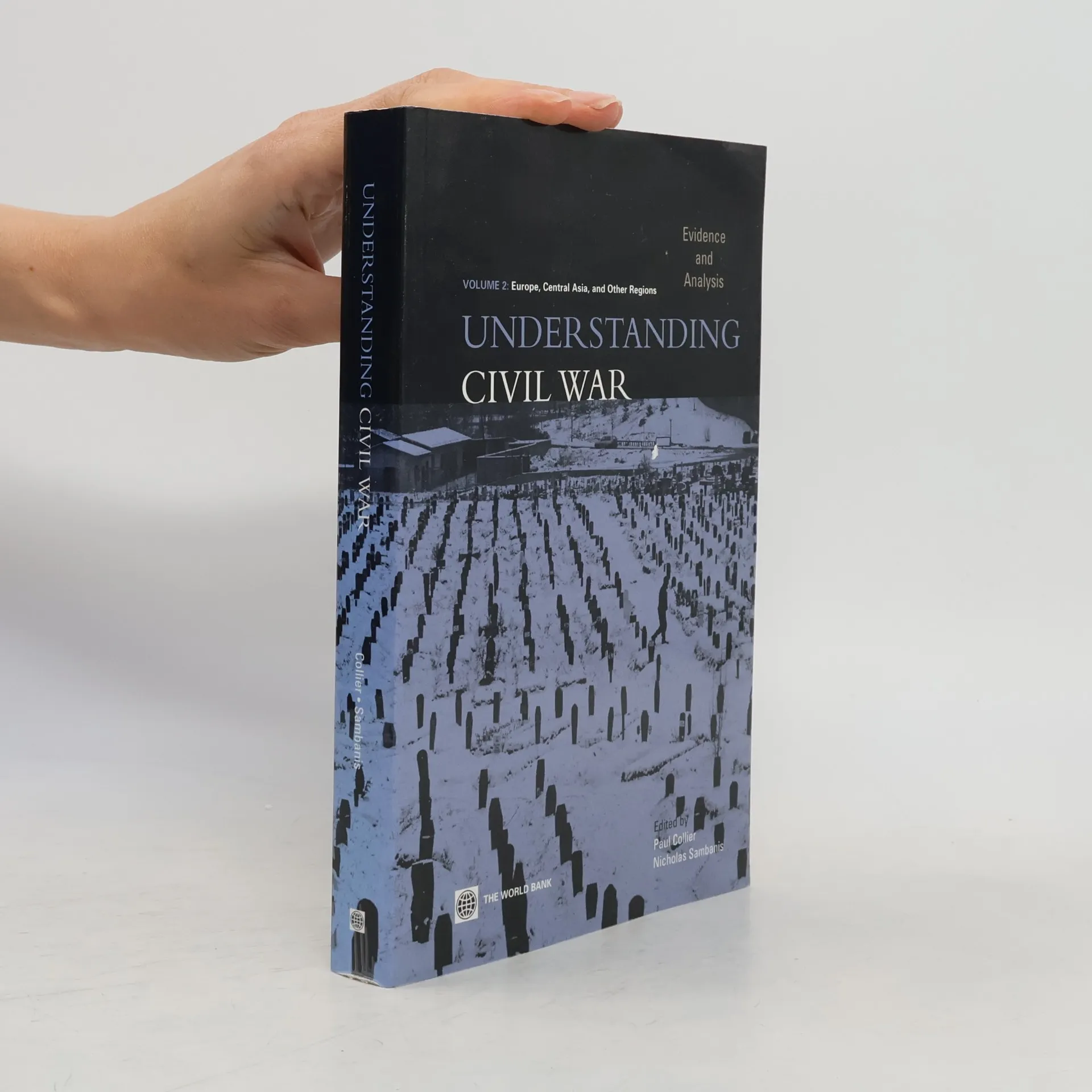
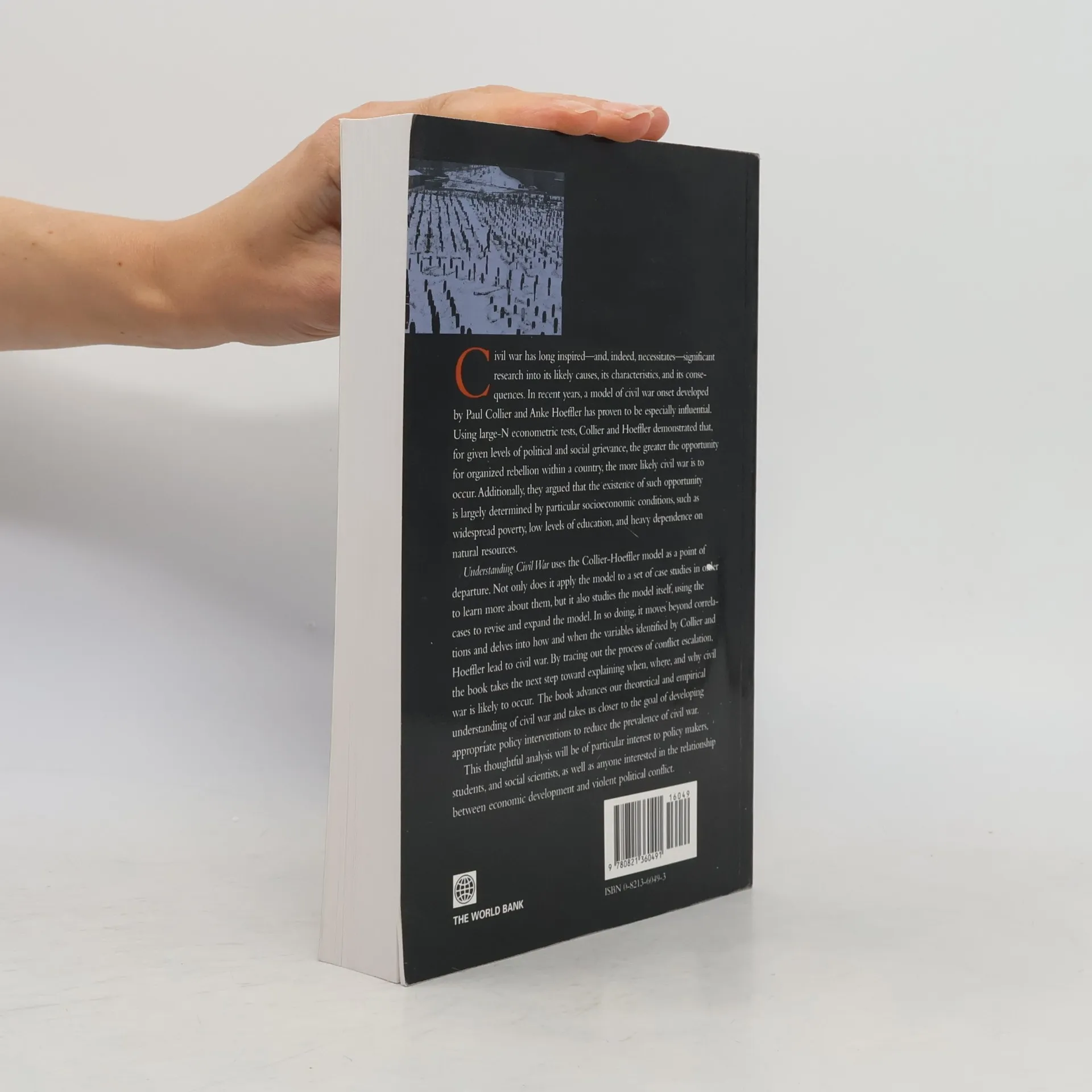
The two volumes of Understanding Civil War build upon the World Bank's prior research on conflict and violence, particularly on the work of Paul Collier and Anke Hoeffler, whose model of civil war onset has sparked much discussion on the relationship between conflict and development in what came to be known as the "greed" versus "grievance" debate. The authors systematically apply the Collier-Hoeffler model to 15 countries in 6 different regions of the world, using a comparative case study methodology to revise and expand upon economic models of civil war. The book concludes that the "greed" versus "grievance" debate should be abandoned for a more complex model that considers greed and grievance as inextricably fused motives for civil war.
Zakup książki
Understanding Civil War, Paul Collier, Nicholas Sambanis
- Język

- Rok wydania
- 2005
- Oprawa
- (miękka),
- Stan książki
- Dobry
- Cena
- 31,94 zł
Metody płatności
Nikt jeszcze nie ocenił.
- Tytuł
- Understanding Civil War
- Podtytuł
- Europe, Central Asia, and Other Regions
- Język
- angielski
- Autorzy
- Paul Collier, Nicholas Sambanis
- Wydawca
- World Bank Publications
- Rok wydania
- 2005
- Oprawa
- miękka
- Liczba stron
- 366
- ISBN10
- 0821360493
- ISBN13
- 9780821360491
- Seria
- Kategorie
- Tagi
- Biznes, Przyroda, Poradniki, Wojny, Europa, Teorie polityczne, Przemoc, Atlasy, Bieda, Wojna domowa, Case Studies, Bunt & Powstanie, Ekonomia polityczna, Zasoby naturalne, Azja Środkowa
- Opis
- The two volumes of Understanding Civil War build upon the World Bank's prior research on conflict and violence, particularly on the work of Paul Collier and Anke Hoeffler, whose model of civil war onset has sparked much discussion on the relationship between conflict and development in what came to be known as the "greed" versus "grievance" debate. The authors systematically apply the Collier-Hoeffler model to 15 countries in 6 different regions of the world, using a comparative case study methodology to revise and expand upon economic models of civil war. The book concludes that the "greed" versus "grievance" debate should be abandoned for a more complex model that considers greed and grievance as inextricably fused motives for civil war.