





Parametry
- 304 strony
- 11 godzin czytania
Więcej o książce
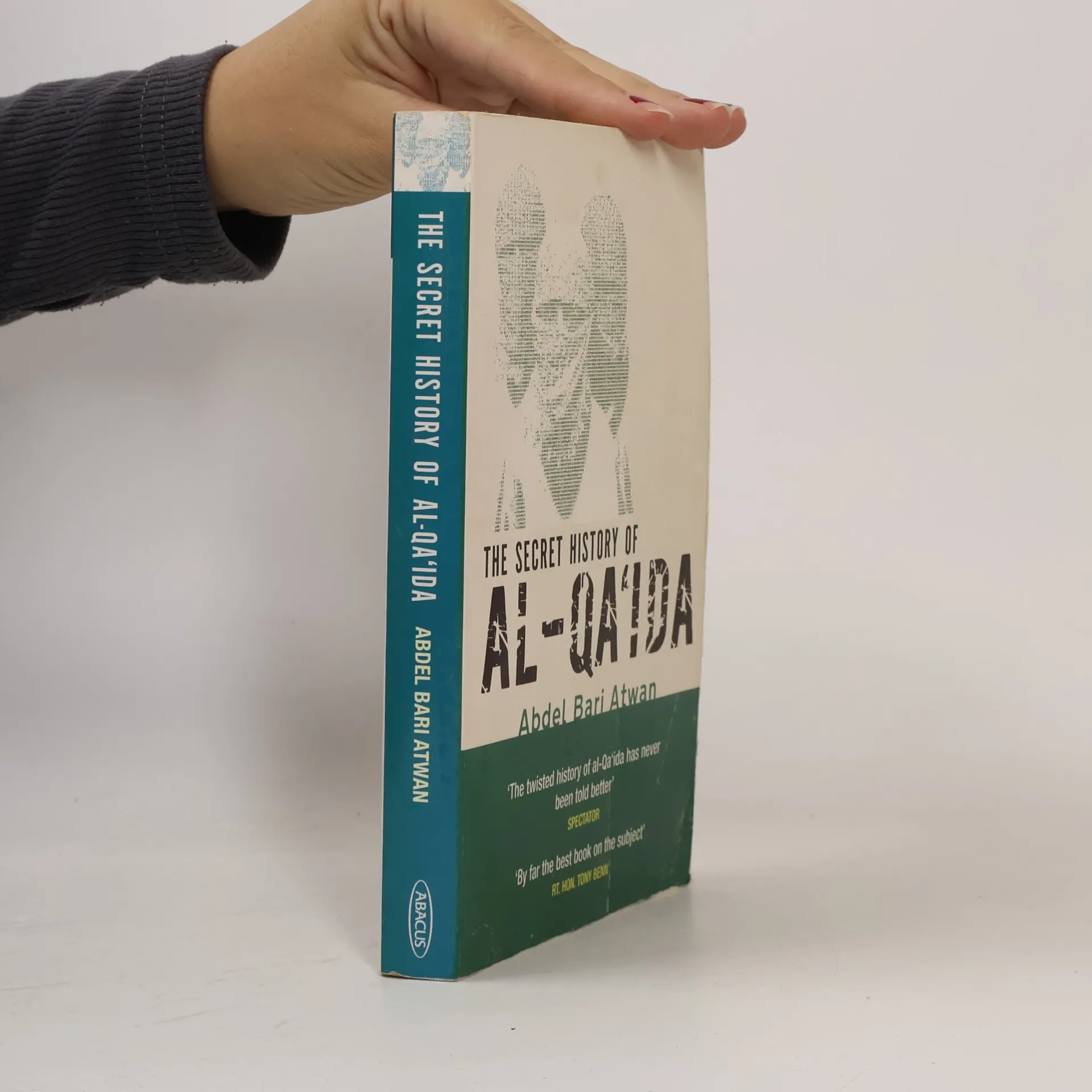
Over the last ten years, journalist and al-Qa'ida expert Abdel Bari Atwan has cultivated uniquely well-placed sources and amassed a wealth of information about al-Qa'ida's origins, masterminds and plans for the future. In this book, Atwan reveals how al-Qa'ida's radical departure from the classic terrorist / guerrilla blueprint has enabled it to outpace less adaptable efforts to neutralise it. The fanaticism of its fighters, and their willingness to kill and be killed, are matched by the leadership's opportunistic recruitment strategies and sophisticated understanding of psychology, media and new technology - including the use of the Internet for training, support and communications. Atwan also argues that current events in the Middle East represent watershed moments in the group's evolution that are making it more dangerous by the day, as it refines and appropriates the concept of jihad and makes the suicide bomber a permanent feature of a global holy war.
Zakup książki
The Secret History of Al-Qa'ida, Abdel Bari Atwan
- Język

- Rok wydania
- 2006
- Oprawa
- (miękka),
- Stan książki
- Uszkodzony
- Cena
- 5,17 zł
Metody płatności
Nikt jeszcze nie ocenił.
- Tytuł
- The Secret History of Al-Qa'ida
- Język
- angielski
- Autorzy
- Abdel Bari Atwan
- Wydawca
- Abacus
- Rok wydania
- 2006
- Oprawa
- miękka
- Liczba stron
- 304
- ISBN10
- 0349120358
- ISBN13
- 9780349120355
- Seria
- Kategorie
- Tagi
- Tematy historyczne, Tematy religijne, Polityka, Wojny, Wielka Brytania, Teorie polityczne, Londyn, Przemoc, Terroryzm, Historia społeczna, Irak, Historia polityczna, Madryt, Arabia Saudyjska, Dżihad, Ruchy polityczne
- Opis
- Over the last ten years, journalist and al-Qa'ida expert Abdel Bari Atwan has cultivated uniquely well-placed sources and amassed a wealth of information about al-Qa'ida's origins, masterminds and plans for the future. In this book, Atwan reveals how al-Qa'ida's radical departure from the classic terrorist / guerrilla blueprint has enabled it to outpace less adaptable efforts to neutralise it. The fanaticism of its fighters, and their willingness to kill and be killed, are matched by the leadership's opportunistic recruitment strategies and sophisticated understanding of psychology, media and new technology - including the use of the Internet for training, support and communications. Atwan also argues that current events in the Middle East represent watershed moments in the group's evolution that are making it more dangerous by the day, as it refines and appropriates the concept of jihad and makes the suicide bomber a permanent feature of a global holy war.