

Więcej o książce
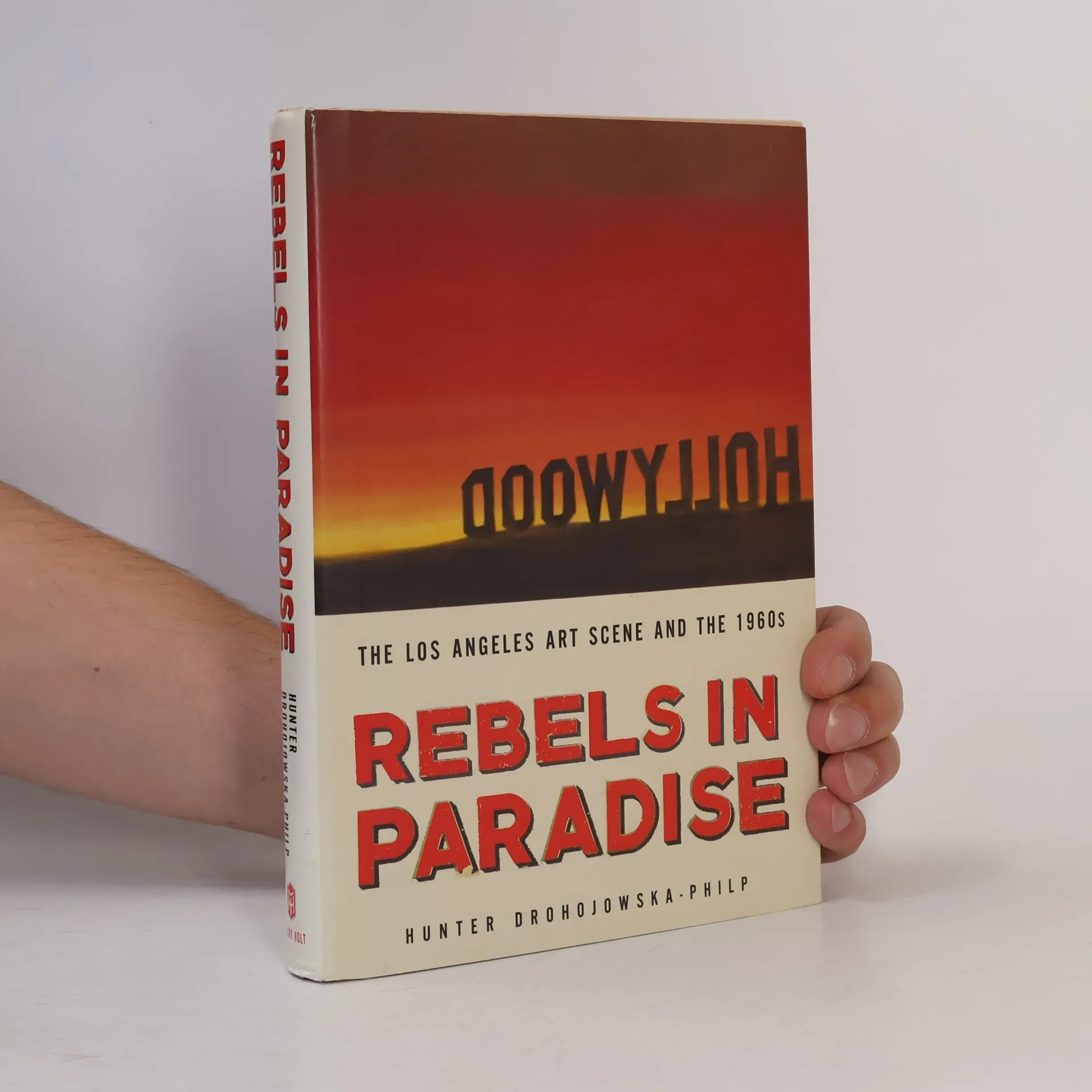
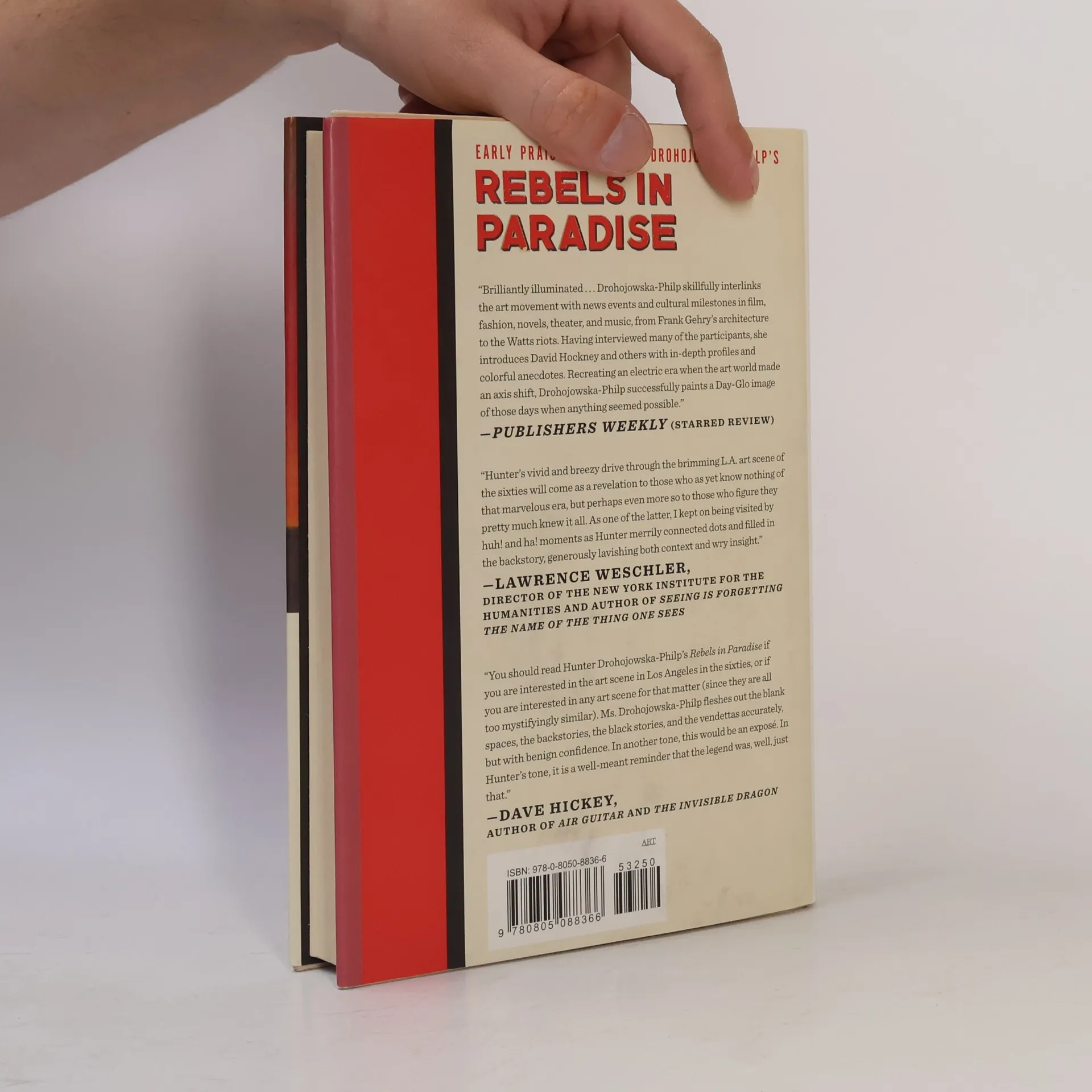
The extraordinary story of the artists who propelled themselves to international fame in 1960s Los Angeles Los Angeles, 1960: There was no modern art museum and there were few galleries, which is exactly what a number of daring young artists liked about it, among them Ed Ruscha, David Hockney, Robert Irwin, Bruce Nauman, Judy Chicago and John Baldessari. Freedom from an established way of seeing, making, and marketing art fueled their creativity, which in turn inspired the city. Today Los Angeles has four museums dedicated to contemporary art, around one hundred galleries, and thousands of artists. Here, at last, is the book that tells the saga of how the scene came into being, why a prevailing Los Angeles permissiveness, 1960s-style, spawned countless innovations, including Andy Warhol's first exhibition, Marcel Duchamp's first retrospective, Frank Gehry's mind-bending architecture, Rudi Gernreich's topless bathing suit, Dennis Hopper's Easy Rider , even the Beach Boys, the Byrds, the Doors, and other purveyors of a California style. In the 1960s, Los Angeles was the epicenter of cool.
Zakup książki
Rebels in Paradise, Hunter Drohojowska-Philp
- Język

- Rok wydania
- 2011
- Oprawa
- (twarda),
- Stan książki
- Bardzo dobry
- Cena
- 30,13 zł
Metody płatności
Nikt jeszcze nie ocenił.
- Tytuł
- Rebels in Paradise
- Podtytuł
- The Los Angeles Art Scene and the 1960s
- Język
- angielski
- Autorzy
- Hunter Drohojowska-Philp
- Wydawca
- Henry Holt and Co.
- Rok wydania
- 2011
- Oprawa
- twarda
- Liczba stron
- 288
- ISBN10
- 0805088369
- ISBN13
- 9780805088366
- Seria
- Kategorie
- Opis
- The extraordinary story of the artists who propelled themselves to international fame in 1960s Los Angeles Los Angeles, 1960: There was no modern art museum and there were few galleries, which is exactly what a number of daring young artists liked about it, among them Ed Ruscha, David Hockney, Robert Irwin, Bruce Nauman, Judy Chicago and John Baldessari. Freedom from an established way of seeing, making, and marketing art fueled their creativity, which in turn inspired the city. Today Los Angeles has four museums dedicated to contemporary art, around one hundred galleries, and thousands of artists. Here, at last, is the book that tells the saga of how the scene came into being, why a prevailing Los Angeles permissiveness, 1960s-style, spawned countless innovations, including Andy Warhol's first exhibition, Marcel Duchamp's first retrospective, Frank Gehry's mind-bending architecture, Rudi Gernreich's topless bathing suit, Dennis Hopper's Easy Rider , even the Beach Boys, the Byrds, the Doors, and other purveyors of a California style. In the 1960s, Los Angeles was the epicenter of cool.