

Parametry
- 250 stron
- 9 godzin czytania
Więcej o książce
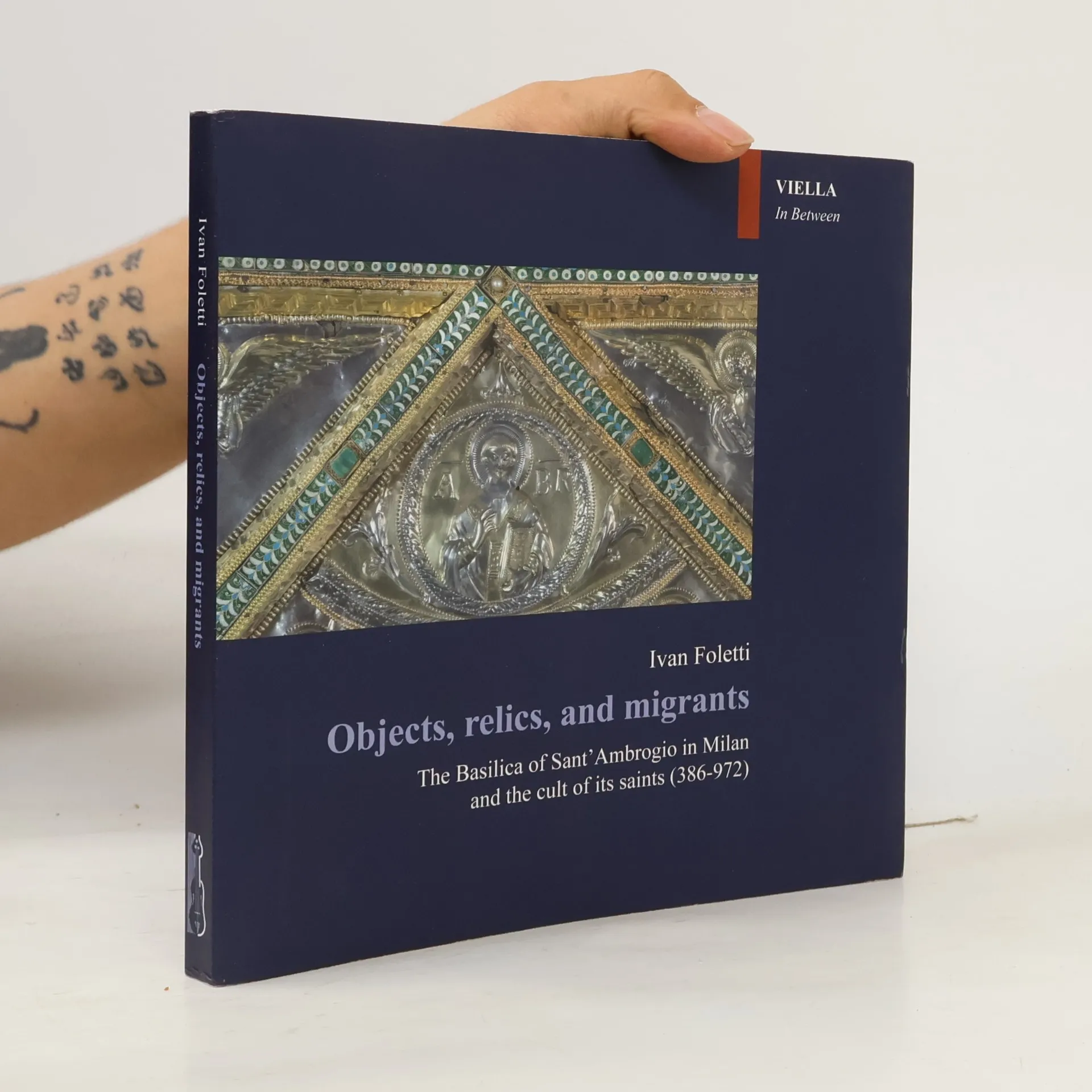
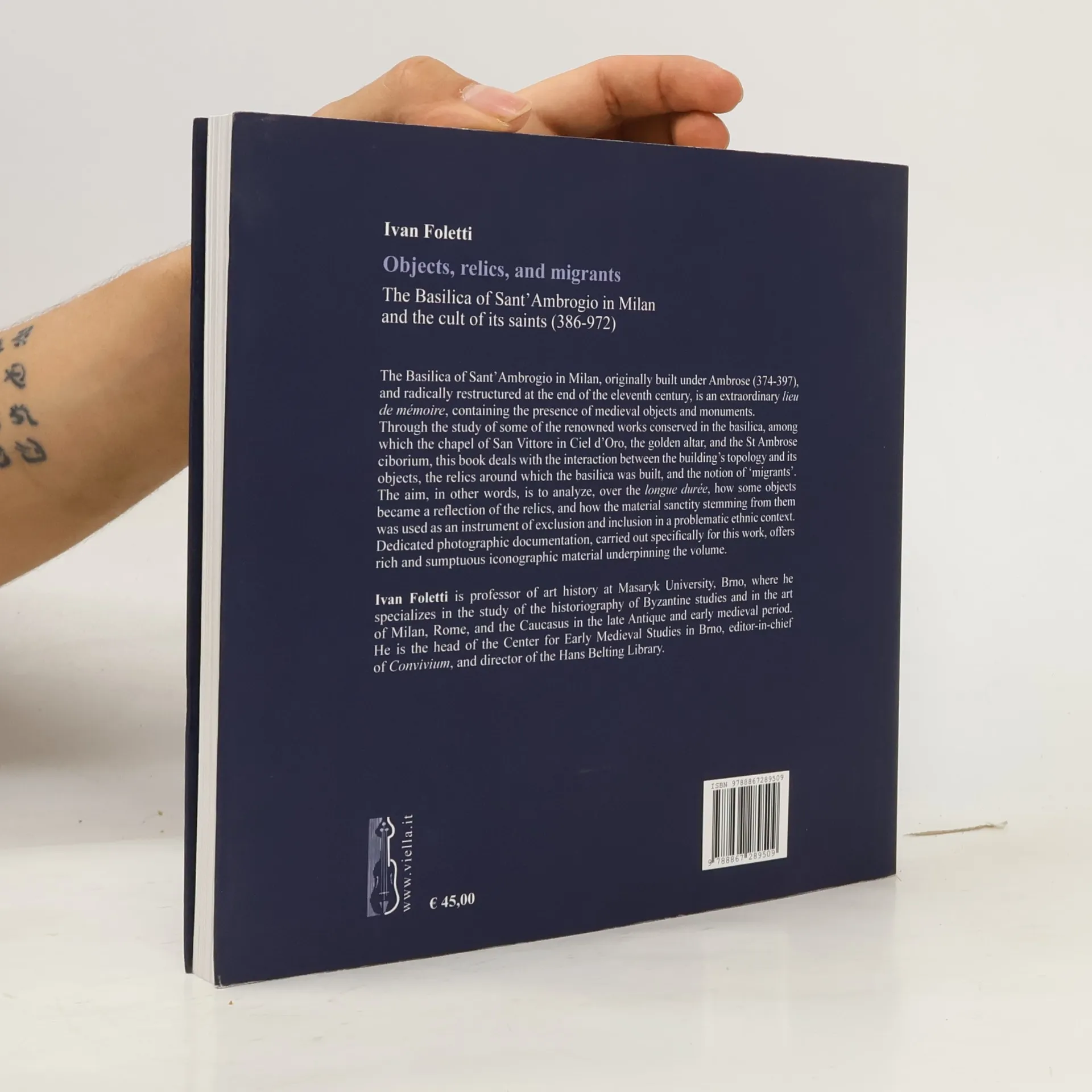
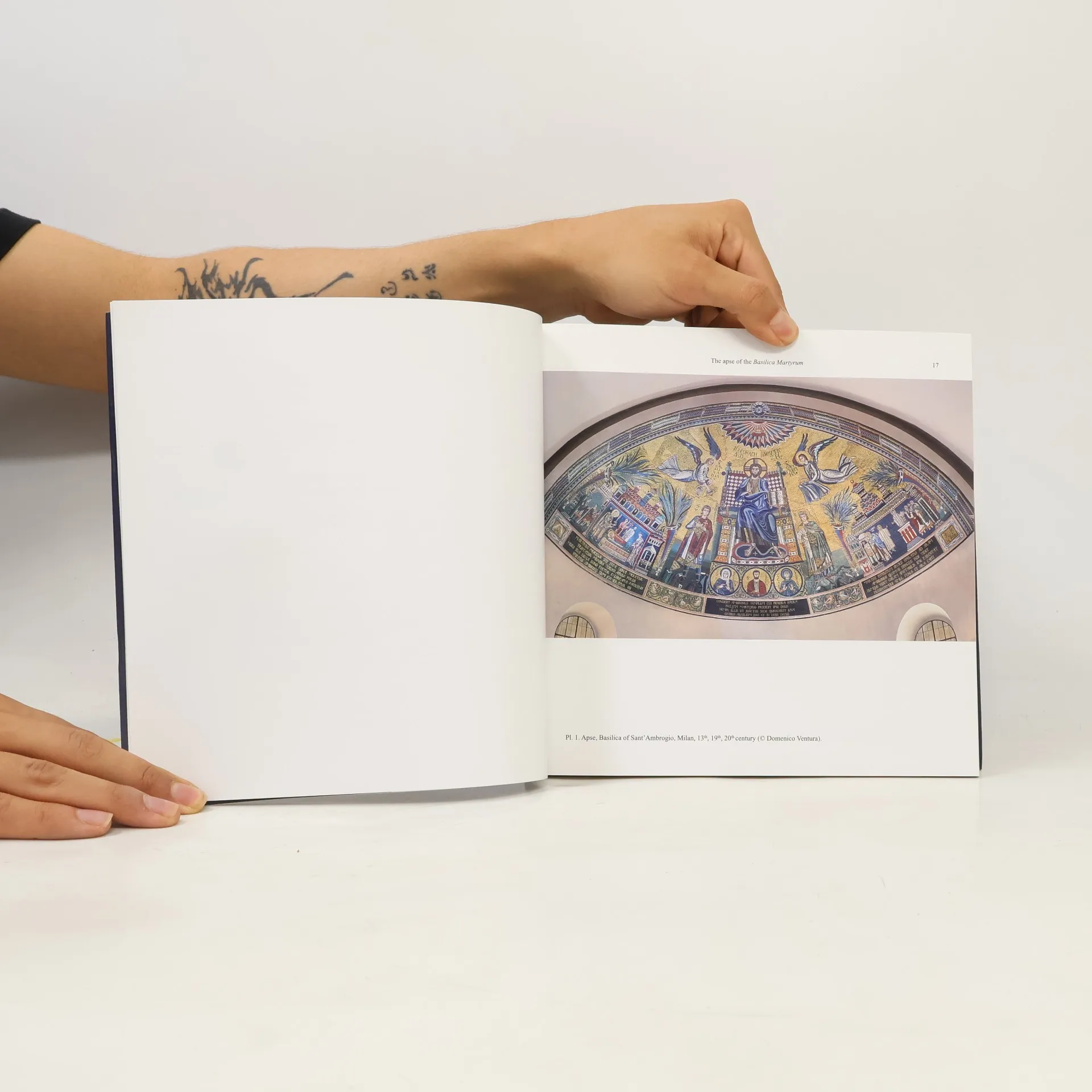
The Basilica of Sant'Ambrogio in Milan, originally built under Ambrose (374-397), and radically restructured at the end of the eleventh century, is an extraordinary lieu de memoire, containing the presence of medieval objects and monuments. Through the study of some of the renowned works conserved in the basilica, among which the chapel of San Vittore in Ciel d'Oro, the golden altar, and the St Ambrose ciborium, this book deals with the interaction between the building's topology and its objects, the relics around which the basilica was built, and the notion of 'migrants'. The aim, in other words, is to analyze, over the longue duree, how some objects became a reflection of the relics, and how the material sanctity stemming from them was used as an instrument of exclusion and inclusion in a problematic ethnic context. Dedicated photographic documentation, carried out specifically for this work, offers rich and sumptuous iconographic material underpinning the volume.
Zakup książki
In Between. Images, Words and Objects - 2: Objects, Relics, and Migrants, Ivan Foletti
- Język

- Rok wydania
- 2020
- Oprawa
- (miękka),
- Stan książki
- Dobry
- Cena
- 119,53 zł
Metody płatności
Nikt jeszcze nie ocenił.
- Tytuł
- In Between. Images, Words and Objects - 2: Objects, Relics, and Migrants
- Podtytuł
- The Basilica of Sant' Ambrogio in Milan and the Cult of Its Saints (386-972)
- Język
- angielski
- Autorzy
- Ivan Foletti
- Wydawca
- Viella Editrice
- Rok wydania
- 2020
- Oprawa
- miękka
- Liczba stron
- 250
- ISBN10
- 8867289500
- ISBN13
- 9788867289509
- Seria
- Kategorie
- Opis
- The Basilica of Sant'Ambrogio in Milan, originally built under Ambrose (374-397), and radically restructured at the end of the eleventh century, is an extraordinary lieu de memoire, containing the presence of medieval objects and monuments. Through the study of some of the renowned works conserved in the basilica, among which the chapel of San Vittore in Ciel d'Oro, the golden altar, and the St Ambrose ciborium, this book deals with the interaction between the building's topology and its objects, the relics around which the basilica was built, and the notion of 'migrants'. The aim, in other words, is to analyze, over the longue duree, how some objects became a reflection of the relics, and how the material sanctity stemming from them was used as an instrument of exclusion and inclusion in a problematic ethnic context. Dedicated photographic documentation, carried out specifically for this work, offers rich and sumptuous iconographic material underpinning the volume.